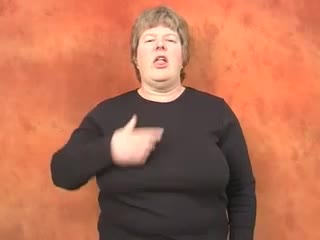
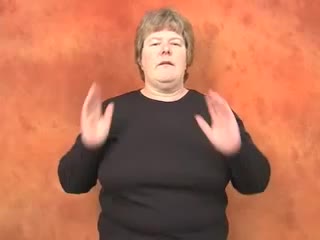
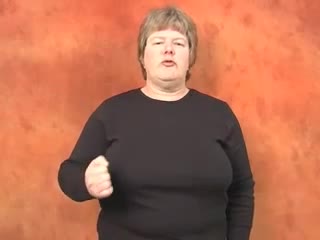
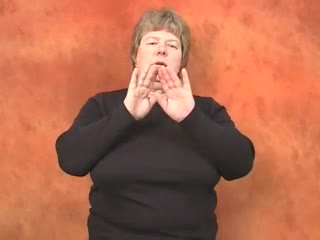
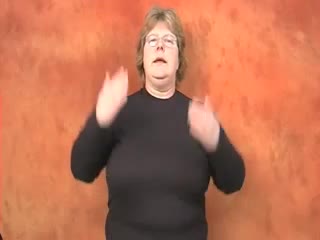
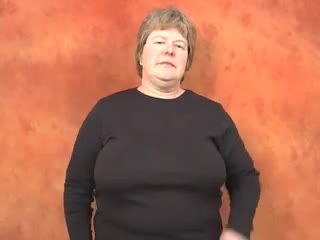
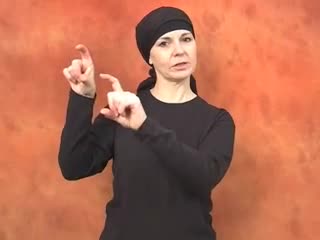
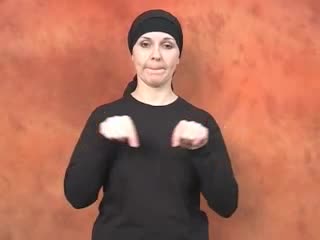
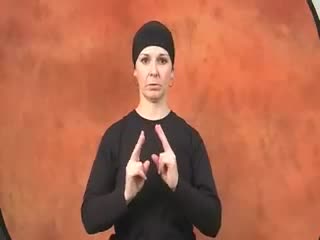
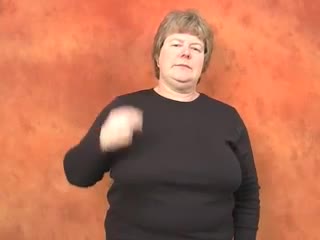
What Is the BSL Sign for "sawmill"?
Welcome, learners and members of the Deaf community, to your definitive guide on the <strong<BSL sign for sawmill! At SignDeaf.com, we believe that clear and confident communication is key to building bridges between the hearing and Deaf worlds. This comprehensive page will teach you everything you need to know about how to sign "sawmill" in BSL, ensuring you can accurately express this important term in British Sign Language. Whether you're a beginner just starting your BSL journey or looking to refine your vocabulary, understanding the <strong<British Sign Language sawmill sign is a fantastic step towards fluency and cultural appreciation.
How to Sign "sawmill" in British Sign Language - Step-by-Step Guide
Learning the intricacies of each sign is crucial for effective communication. Here’s a detailed breakdown of how to execute the <strong<BSL sawmill sign with precision.
Step 1: Handshape
To form the BSL sign for "sawmill," you'll use both your dominant and non-dominant hands. For your <strong<non-dominant hand, extend all five fingers straight and keep them joined together, forming a flat, open hand. Your thumb should rest naturally alongside your palm. This hand will represent the piece of wood or timber being processed. For your <strong<dominant hand, create a loose "S" handshape, essentially a relaxed fist, but with your index finger extended forward and slightly bent at the knuckle, pointing downwards. Imagine your index finger as the blade of a saw or the cutting edge of machinery, and your fist as the handle or main body of the tool. Ensure the other fingers of your dominant hand are curled into your palm, with the thumb resting gently against the side of your middle finger.
Step 2: Hand Position and Location
Begin by positioning your <strong<non-dominant hand. Hold it steady in front of your body, around chest height, with the palm facing upwards and your fingers pointing straight forward, away from your body. This creates a stable base, representing the material being worked on. Now, bring your <strong<dominant hand into position. Place it just above the wrist of your non-dominant hand, with your dominant index finger (the "saw blade") hovering slightly over the palm of your non-dominant hand. The dominant hand's palm will generally face downwards or slightly towards your non-dominant hand, ready to perform the cutting action.
Step 3: Movement
The movement for the <strong<sawmill sign language sign is iconic and descriptive. From its starting position above your non-dominant wrist, move your dominant hand (the "saw") in a short, repetitive "sawing" motion across the palm of your non-dominant hand. The movement should be a fluid, back-and-forth action, moving from the wrist towards the fingertips of your non-dominant hand, then returning slightly. Perform this cutting motion two to three times, simulating the action of a saw cutting through wood. The movement should be controlled but not stiff, conveying the mechanical action of a sawmill.
Step 4: Non-Manual Features (Facial Expression & Mouthing)
Non-manual features are grammatically essential in BSL and add crucial context to your signs. For "sawmill," maintain a <strong<neutral, focused facial expression. Your eyebrows should be relaxed, and your gaze should be steady. The primary non-manual feature for this sign is <strong<mouthing the word "sawmill" clearly and naturally. Mouthing helps to distinguish signs that might otherwise look similar and provides important English-language context, especially for words that are less commonly used. Avoid exaggerating the mouthing; aim for a natural articulation of the word as you would say it silently. Your head position should remain neutral and steady throughout the sign.
Step 5: Palm Orientation
Throughout the sign for "sawmill," the <strong<palm orientation of your non-dominant hand remains consistent: palm facing upwards, fingers pointing forward. This creates the flat surface of the "wood." The <strong<palm orientation of your dominant hand will have a slight dynamic quality due to the sawing motion. Generally, your dominant palm will face downwards or slightly towards your non-dominant hand. As you perform the back-and-forth movement, the precise angle of your palm may shift slightly to enhance the visual representation of the sawing action, but it will largely maintain its downward-facing direction relative to the non-dominant hand.
Quick Reference: "sawmill" BSL Sign at a Glance
- <strong<Handshape: Non-dominant hand flat, palm up; Dominant hand loose "S" with extended, slightly bent index finger.
- <strong<Location: Non-dominant hand chest height, palm up; Dominant hand above non-dominant wrist.
- <strong<Movement: Dominant hand performs repetitive sawing motion across non-dominant palm.
- <strong<Facial Expression: Neutral, focused expression, mouthing "sawmill."
- <strong<Dominant Hand: Used for the sawing action.
5 Tips to Learn the BSL Sign for "sawmill" Quickly
- <strong<Visualise the Action: Connect the sign directly to its meaning. Imagine a large saw cutting through a log in a sawmill. Your non-dominant hand is the log or plank, and your dominant hand is the saw. This strong visual link will help cement the <strong<learn sawmill BSL sign in your memory.
- <strong<Break it Down: Don't try to learn the whole sign at once. Master the non-dominant handshape and position first, then the dominant handshape, and finally the movement. Once each component is comfortable, combine them slowly before increasing speed.
- <strong<Practice the Mouthing: As you practice the physical sign, consciously practice mouthing "sawmill." This helps integrate the non-manual feature, which is vital for clarity and correct BSL grammar. Consistency in mouthing will make the sign feel more natural over time.
- <strong<Exaggerate Initially: When first learning, don't be afraid to exaggerate the handshapes and movement slightly. This helps your muscles get used to the new positions. As you become more comfortable, you can refine the sign to a more natural, fluid execution.
- <strong<Connect to Related Concepts: Think about other signs that involve tools, wood, or construction. By creating mental clusters of related signs, you strengthen your overall BSL vocabulary and make it easier to recall specific signs like <strong<sawmill British Sign Language when needed.
When and How to Use the BSL Sign for "sawmill"
Knowing when and how to use the <strong<sawmill sign language sign appropriately is just as important as knowing the sign itself. This sign is typically used in contexts related to timber production, woodworking, and industrial settings.
- <strong<Describing a Place of Work: You might use this sign when talking about someone's profession or a type of industry. For example, "My uncle works at a sawmill" would use the sign for "sawmill" followed by signs for "work" and "uncle."
- <strong<Discussing Materials: If you're talking about where wood comes from or how it's processed before being used for furniture or building, the sign for "sawmill" becomes very relevant. You could sign, "The wood for this table came from a local sawmill."
- <strong<In Geographical Contexts: When discussing local industries, historical sites, or even describing a route or landmark, you might refer to a "sawmill" in a specific location. For instance, "There used to be a sawmill by the river."
- <strong<Grammatical Considerations: In BSL, context and other signs often provide grammatical structure. "Sawmill" is a noun. When asking a question like "Is there a sawmill nearby?", the sign for "sawmill" would likely come first (topic-comment structure), followed by "nearby?" with a questioning facial expression. For negation, you would sign "sawmill" and then a negative sign like "NOT" or shake your head.
Common Mistakes When Signing "sawmill" in BSL - And How to Fix Them
Even experienced learners can sometimes make small errors. Here are three common mistakes when signing the <strong<BSL sign for sawmill and how to correct them, so you can communicate with confidence.
- <strong<Mistake 1: Incorrect Non-Dominant Handshape. Beginners sometimes curl their non-dominant fingers or let them separate, rather than keeping them flat and joined. This can make the "wood" look uneven or unclear. <strong<Correction: Focus on keeping your non-dominant hand completely flat, fingers extended and pressed together, with the palm facing directly upwards. Imagine it as a perfectly smooth plank of wood. Regularly check your hand in a mirror to ensure it's flat and steady.
- <strong<Mistake 2: Insufficient or Exaggerated Movement. Some learners might make the sawing motion too small and subtle, making it hard to interpret, or too large and dramatic, which can look unnatural. <strong<Correction: Aim for a clear, controlled, repetitive sawing motion that traverses about two-thirds of the non-dominant palm, from wrist towards fingertips. The movement should be noticeable but not overly expansive, reflecting the precise action of a saw. Practice with a steady rhythm.
- <strong<Mistake 3: Forgetting Non-Manual Features. Neglecting to mouth "sawmill" or maintaining a blank expression can lead to ambiguity, especially if the sign is new to your conversation partner or has visual similarities to other signs. <strong<Correction: Always pair the physical sign with the clear mouthing of "sawmill." Make a conscious effort to mouth the word naturally as you sign. A neutral, focused facial expression also adds to the clarity and seriousness of