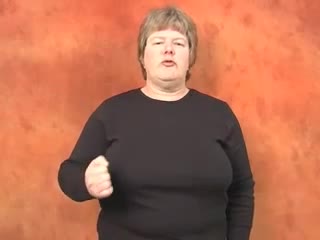
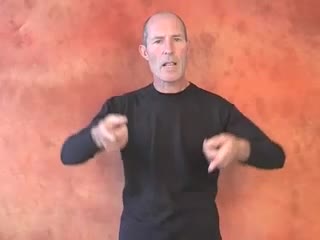
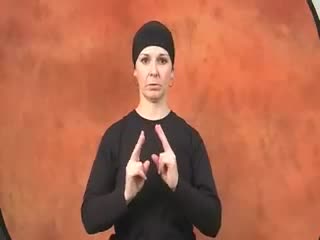
What This Sign Means in BSL
The BSL sign for taxi is wonderfully direct and instantly recognisable, much like the service it represents. When you make this sign, you're not just conveying a word; you're often signalling a specific intention or a practical need for transport. It’s a foundational sign in everyday communication, widely understood across the UK Deaf community, making it incredibly useful for learners right from the start.
At its heart, this sign captures the essence of requesting or identifying a taxi. It’s concise, clear, and leaves little room for misinterpretation. You'll find yourself using it in a myriad of situations, from planning a night out to discussing travel logistics. It speaks to the universal experience of needing a quick, personal ride, and the sign’s form beautifully reflects that immediacy.
This sign serves as a general term for a taxi or cab service. It doesn't typically differentiate between various types like black cabs or private hire vehicles, unless further context or specific descriptors are added. It’s your go-to sign when you simply need to refer to "a taxi" in British Sign Language, making your communication smooth and effective in many contexts.
When This Sign Feels Natural
You’ll find the sign for "taxi" feels natural in countless real-life scenarios. Imagine you’re out with friends and it’s getting late; signing "taxi?" with a questioning facial expression is a perfectly natural way to suggest heading home. It's also suitable when you're discussing future plans, perhaps explaining to someone that you'll take a taxi from the train station, or asking if they've already booked one.
This sign maintains a neutral register, making it appropriate for almost any audience, whether you're chatting informally with friends or communicating more formally in a professional setting, such as at a hotel reception or an airport. It’s a standard, polite way to refer to this mode of transport, and it won't feel out of place in any conversation about getting from A to B.
While "taxi" is incredibly useful, consider the broader context. If you're simply talking about general travel in a vehicle, the sign for CAR might be more appropriate. You wouldn't typically use "taxi" if you're referring to a private vehicle someone owns or a general journey by road. The BSL sign for taxi specifically implies a paid, hired service, so always ensure that’s the meaning you intend to convey.
What Learners Usually Miss
One of the most common oversights for new learners with the sign for "taxi" lies in the precise handshape. Many people mistakenly form a relaxed "thumbs up" gesture. However, the correct BSL handshape requires the thumb to be placed firmly across the palm, resting against the side of the extended index finger. This seemingly small detail is crucial for clear communication and distinguishes it from other signs that might use a similar, but subtly different, handshape.
Another subtle point often missed is the movement’s exact nature. It’s not a large, sweeping gesture as if you’re hailing a taxi from across a busy street. Instead, it’s a short, deliberate, and controlled motion forward and slightly downwards, starting from near your dominant shoulder or upper chest. Think of it more as a confirmation or a specific reference, rather than an urgent call. Overly dramatic or large movements can distract from the sign's clarity and make it appear less natural.
Finally, learners sometimes forget the importance of location and context. The sign should be performed within your signing space, typically near your dominant shoulder or upper chest. Moving it too far out or too low can make it harder to read. While the facial expression for "taxi" itself is usually neutral, remember that it will naturally shift to reflect the overall sentence – for example, a raised brow for a question like "Do you want a taxi?" or a worried expression if you’re signing "Where’s the taxi?" Pay attention to this harmony between sign and expression.
A Simple Way to Remember It
To help this sign stick in your memory, try linking its unique features to the concept of a taxi itself. Visualise the action and the handshape as distinct cues.
- The Handshape: Imagine your extended index finger as a person standing and signalling, specifically calling for a taxi. The thumb tucked across the palm adds a sense of precision and directness to the request, not just a casual wave.
- The Movement: Think of the short, deliberate forward and downward motion as the taxi driver quickly acknowledging your fare or arriving promptly. It's a focused movement, much like a taxi’s journey from pick-up to drop-off.
- The Location: Performing the sign near your dominant shoulder or upper chest can be linked to the idea of a personal service – you're calling a taxi for yourself or your immediate group, keeping the request close and personal.
Short Practice Situations
- Imagine you're at a party and want to leave: "Shall we get a taxi home tonight?"
- You're telling a friend about your travel plans: "My flight arrives late, so I’ll take a taxi from the airport."
- Asking for directions: "Excuse me, do you know where the nearest taxi rank is?"
- Expressing a preference: "I usually prefer to get a taxi when it's dark or raining."
- Planning a group outing: "We’ll need two taxis for all six of us to get to the restaurant."
Signs to Learn Next
- CAR: This is an excellent sign to learn alongside "taxi" to clearly distinguish between a private vehicle and a hired service. Understanding both helps you talk about all sorts of road travel.
- BUS: As another common mode of public transport, learning "bus" will expand your ability to discuss different ways of getting around, offering alternatives to a taxi.
- TRAIN: Completing your basic transport vocabulary, "train" allows you to talk about longer journeys and different travel experiences, often involving a taxi to and from the station.
- JOURNEY/TRAVEL: This broader concept sign is often used when discussing the overall act of moving from one place to another, a conversation that frequently includes taxis as a part of the trip.
- MONEY: Since taxis are a paid service, knowing the sign for "money" is incredibly practical. You’ll often need to discuss fares or payment when talking about taking a taxi.