What This Sign Means in BSL
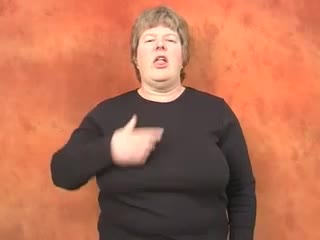
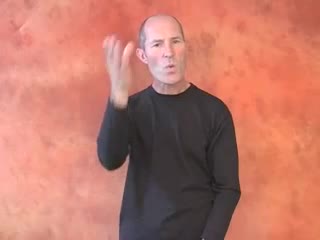
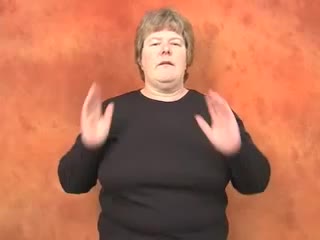
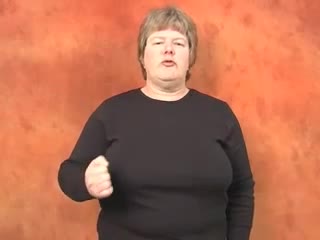
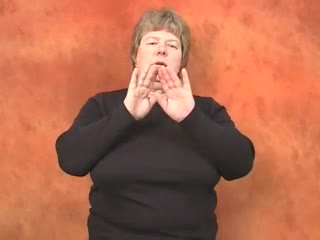
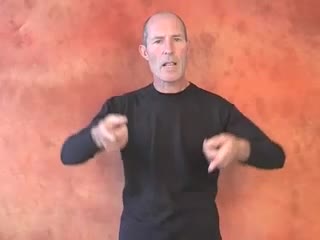
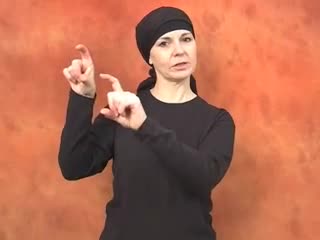
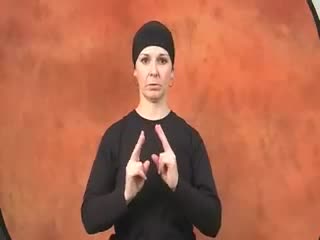
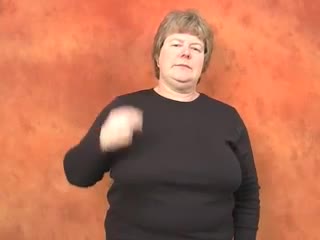
The BSL sign for classroom is wonderfully direct and visually descriptive. At its heart, this sign quite literally draws the physical boundaries of a room designed for learning. Imagine you’re sketching the four walls of a space right in front of you; that’s the essence of what you’re conveying.
It’s a foundational noun, referring specifically to the physical place where people teach and learn. Unlike signs for broader concepts like 'education' or 'school' (the institution), this sign anchors itself firmly in the tangible architecture. It’s about the room itself, not the abstract activity or the organisation.
What makes this sign particularly effective is its clarity. When you use it, you’re not just saying "a room"; you're specifying "a room for classes." This distinction is important for precise communication, helping you differentiate between, for example, a living room, a meeting room, and the dedicated space for instruction.
When This Sign Feels Natural
This sign feels most natural when you're referring to the physical location of a learning environment. For instance, if you're asking, "Where is the new BSL classroom?" or stating, "Our session is in the main classroom," this is precisely the sign you’d choose. It’s perfect for giving directions, describing a building layout, or talking about the conditions of a specific teaching space.
You can use the BSL sign for classroom across a wide range of conversational registers, from casual chat with friends to more formal discussions about school facilities. It’s a very versatile sign because the physical presence of classrooms is a common topic in daily life, especially within educational settings or when coordinating group activities.
However, it’s helpful to remember its specific focus. If your meaning is closer to 'lesson' or 'lecture,' you’d use a different sign. Similarly, if you're talking about the institution of 'school' or the broader concept of 'education,' other signs would be more appropriate. This sign is about the *container* – the room – not always the *content* or *institution* within it.
What Learners Usually Miss
One common area where learners can sometimes miss the mark with the BSL sign for classroom is in the precision of the handshape and the crispness of the movement. Both hands form a clear 'C' shape, with fingers gently curved, not stiffly open or too loosely rounded. It’s crucial that these 'C' shapes are well-defined, as they represent the corners or the framing elements of the room.
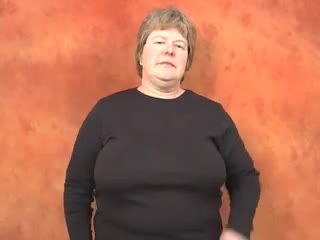
Another subtlety often overlooked is the deliberate nature of the movement and the final stop. The hands move outwards from the mid-front body (chest to waist height) to outline that rectangular space, but the movement isn't a continuous flow. There should be a distinct, clear stop once the rectangle is outlined. This pause is important; it signifies that the 'walls' have been fully defined and the space is enclosed, rather than just an ongoing gesture. Without that clear stop, the sign can look unfinished or vague, losing its descriptive power.
Paying attention to the scale and height is also key. The outline you create should be proportionate and held around your mid-body. Making the rectangle too small might suggest a tiny space, while making it excessively large or too high/low can distort the meaning or make the sign feel awkward. Aim for a natural, comfortable size that clearly frames a space in front of you, as if you’re gesturing to an actual room that you’re imagining.
A Simple Way to Remember It
To easily recall the BSL sign for classroom, think of yourself as literally drawing the outlines of a room dedicated to learning. The sign visually constructs the space. It’s like you’re using your hands to project a mental image of the classroom’s boundaries directly into the air in front of you.
- The 'C' for Containment: The two 'C' handshapes can remind you of the corners or the containing structure of the room, ready to hold people and ideas.
- Outlining the Space: The outward movement of your hands is like you're physically expanding to show the width and depth of the classroom, creating its four walls.
- Defining the Boundaries: The clear, final stop of your hands at the end of the movement solidifies the sign, marking the definite edges of the room and giving it form.
Short Practice Situations
- "Which classroom are we using for our BSL lesson this afternoon?"
- "The new classroom has a fantastic interactive whiteboard and comfortable chairs."
- "Please make sure the classroom is tidy and all the equipment is put away before you leave."
- "I heard they are renovating the art classroom next summer; it really needs it."
- "Do you remember our old primary school classroom? It felt so big back then!"
Signs to Learn Next
- SCHOOL: While 'classroom' is the physical space, 'school' refers to the institution. Learning both helps you differentiate between the location and the organisation.
- TEACH: Teaching is one of the primary activities that happens within a classroom, making it a natural follow-up sign to learn.
- LEARN: Similarly, learning is the other core activity. Understanding 'learn' alongside 'classroom' provides context for the space's purpose.
- ROOM: Comparing 'classroom' to the more general sign for 'room' (which often involves simply outlining a space without the specific 'C' handshape or a particular context) highlights the specificity of 'classroom.'
- STUDENT / TEACHER: These are the key people you’ll often find in a classroom. Knowing these signs helps you talk about who occupies the space.