What This Sign Means in BSL
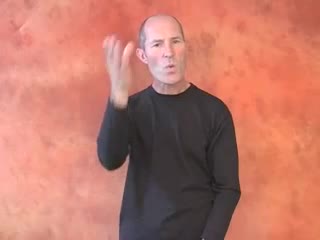
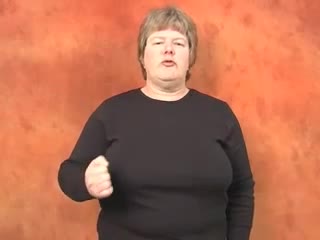
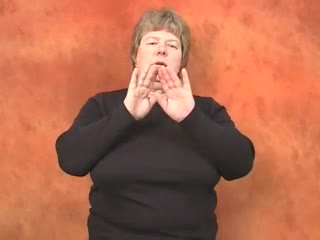
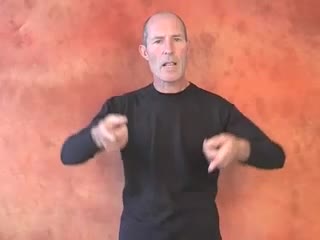
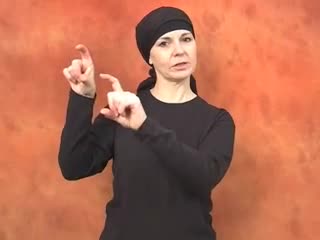
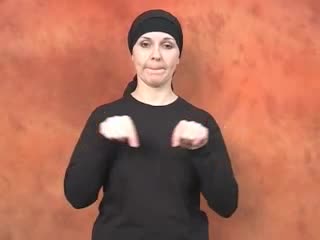
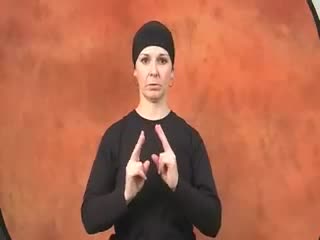
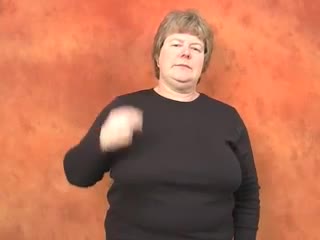
The BSL sign for injury is a direct and powerful visual representation of something having been damaged or harmed. It uses a strong, assertive movement that instantly conveys impact and consequence. When you see this sign, it’s not just about the physical action; it’s about the resulting state of being hurt or broken.
This sign truly embodies the concept of a "blow" or "damage" without needing to specify the exact type of harm. Its clarity makes it a cornerstone sign in any discussion about health, accidents, or physical well-being. The repeated striking motion isn't just a physical action; it subtly communicates the lingering effect or the seriousness of the damage.
You’ll notice its robust and slightly sharp quality, which sets it apart. It’s a sign that demands attention and clearly states that something undesirable has occurred to a person or, sometimes, an object. It's less about the feeling of pain (though that's often implied) and more about the objective fact of the physical damage itself.
When This Sign Feels Natural
You'll find yourself naturally using the BSL sign for injury in a range of everyday and more serious conversations. It’s perfect when you're discussing an accident, explaining why someone might be feeling unwell, or describing an unfortunate event. Imagine recounting a story about a sports match where a player got hurt; this sign fits perfectly to convey that a specific injury occurred.
This sign is suitable across different registers – from casual chats with friends about a minor scrape to more formal discussions with medical professionals or during a workplace safety briefing. It carries enough weight to be taken seriously without being overly dramatic. It's the go-to sign when you need to clearly state that physical harm or damage has taken place, rather than just a general feeling of discomfort.
While often used for people, you might also see it adapted for inanimate objects that have sustained significant damage, though this is less common. However, for a human context, it's usually referring to a bodily injury. If you’re discussing a general ache or discomfort without specific physical damage, you might opt for signs like
or
instead, but for actual physical harm, "injury" is your clear choice.
What Learners Usually Miss
One common pitfall learners encounter with the BSL sign for injury is the subtle nuance of its movement and expression. It’s not just about striking your arm; it's about the *sharp, repeated* quality of that strike. Some learners perform it too softly, too slowly, or only once, which can dilute its meaning or make it look like a different sign entirely, such as a general "hit" or "strike." Remember to make it distinct and assertive.
Another crucial element often overlooked is facial expression. BSL isn't just about the hands; your face tells half the story. When signing "injury," your expression should convey concern, seriousness, or even a slight wince. A neutral face can make the sign feel detached or unclear. Practice linking a concerned brow or a slightly tightened mouth with the physical action of the sign to give it full emotional and contextual weight.
Finally, the location and direction are important. While the sign can be generally near the body, it’s often signed with the dominant hand striking the non-dominant arm. If the injury is on a specific body part, you can adapt the sign to indicate that area, but for a general injury, the non-dominant arm acts as a common proxy. Ensure your striking motion is controlled and clear, not wild or vague, to maintain precision and avoid confusion with other signs.
A Simple Way to Remember It
To help this sign stick in your memory, think of it as a physical representation of impact and damage. Visualise the force of something hitting, causing harm, or creating a problem that needs attention. The closed fist is key – it suggests a strong, blunt force.
- The Impact: Imagine a sudden, sharp impact, like a direct blow or a fall that causes damage. The repeated strike reinforces the idea of something being truly affected.
- The "Ouch!" Factor: Picture the immediate, involuntary reaction to being hurt. The sign's sharp motion mirrors that sudden jolt of pain or realisation that an injury has occurred.
- The Fist of Force: The dominant hand forming a strong fist (S-handshape) represents the force or solidity of whatever caused the damage, or the robust nature of the damage itself.
Short Practice Situations
- My friend had a cycling accident yesterday and sustained a serious injury to their leg.
- The doctor explained that the recurring pain was actually an old injury flaring up again.
- After the football match, several players were treated for minor injuries on the field.
- We need to complete an incident report for any workplace injury, no matter how small.
Signs to Learn Next
- Pain: Often accompanies an injury. Learning "pain" allows you to describe the *sensation* as well as the damage itself, giving you more descriptive power.
- Accident: Injuries frequently result from accidents. Understanding this sign helps you explain the circumstances leading to the injury.
- Hospital: The place where many injuries are treated. This sign is essential for discussing seeking medical help or recovery.
- Broken (bone): A specific type of injury. As you learn "injury," it's helpful to also know how to specify common types of harm, like a broken bone, which uses a very distinct two-handed break motion.
- Hurt: Similar to "injury" but can also refer to emotional hurt or less severe physical discomfort. Knowing both helps you distinguish between the severity and nature of the harm.