What This Sign Means in BSL
The BSL sign for accommodation is a wonderfully versatile sign that covers a broad spectrum of meanings related to places to live or stay. It encapsulates the general concept of providing or needing shelter, lodging, or a place to reside, whether temporarily or long-term. Think of it as the umbrella term for any dwelling, lodging, or housing arrangement without specifying the type of building. It’s about the *provision* of a space.
What makes this sign particularly useful is its flexibility. You'll find yourself using it in conversations about holidays, university halls, finding a flat, discussing homelessness, or even when talking about a simple overnight stay. It's not limited to formal contexts; it fits just as naturally into a casual chat about where you’re staying as it does in a news report about housing policy. This generality means it’s often one of the first signs you’ll learn when discussing personal living situations or travel plans.
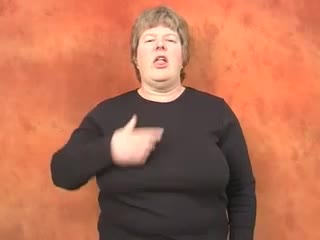
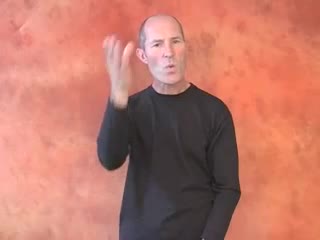
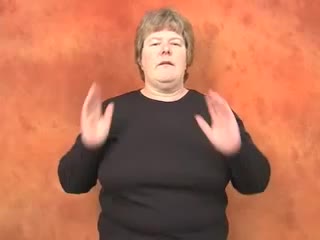
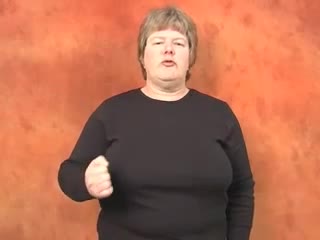
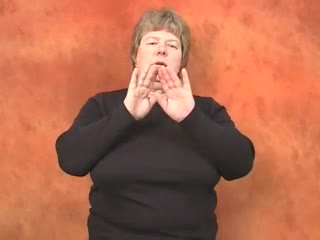
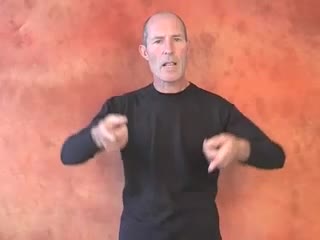
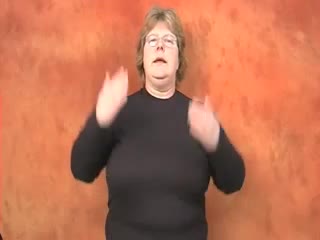
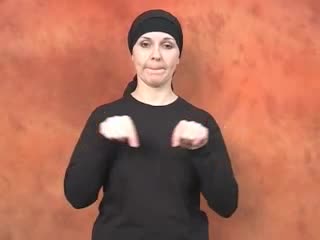
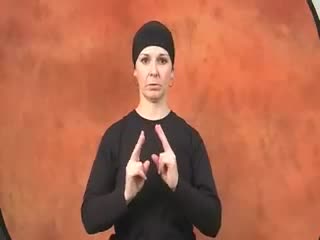
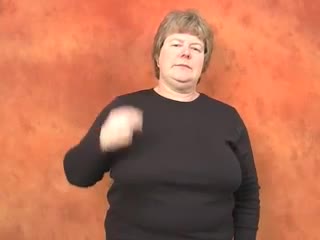
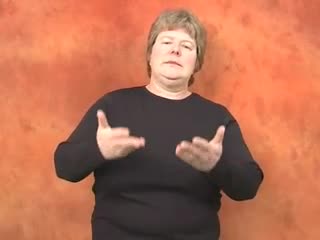
The sign’s form itself is quite intuitive. Both flat hands meeting and separating slightly, repeated, creates a sense of establishing or enclosing a space. It’s like setting up a temporary or permanent 'box' or 'structure' around yourself. This makes it distinct from signs for specific types of buildings, as it focuses on the *function* of providing a place rather than the architectural details.
When This Sign Feels Natural
You'll find the BSL sign for accommodation feels most natural when you're discussing the *concept* of a place to stay, rather than a very specific building type. Imagine you’re planning a trip and need to find somewhere to sleep; you'd sign "I need accommodation." Or perhaps a friend is starting university, and you ask, "Has the university arranged your accommodation?" It's perfect for these open-ended inquiries or statements.
It’s often used in situations where the type of dwelling isn't critical, or when you're talking about the *process* of finding or securing a place. For example, in a formal context, a charity might discuss "providing emergency accommodation" to those in need. In a more casual setting, you might sign, "My holiday accommodation was fantastic!" The register of the sign is quite neutral, allowing you to adapt your facial expression and body language to convey formality or casualness as needed.
When might you choose a different sign? If you already know you're talking about a "house," "flat," or "hotel," you'd generally use those more specific signs. The sign for accommodation acts as a useful precursor or a fallback when the exact type of dwelling is unknown or irrelevant to the conversation. For instance, you wouldn't typically say "my accommodation" if you mean "my house" and want to specify it's your personal dwelling. It’s about the *provision of a place*, not necessarily the *ownership* or *specific form* of that place.
What Learners Usually Miss
A common pitfall for learners is confusing "accommodation" with "home" or "house." While related, they carry distinct nuances in BSL. The sign for *home* often involves tapping the cheek, evoking a sense of personal belonging, comfort, and permanence. *House* is a specific sign for a building. "Accommodation," however, is about the *place provided for living or staying*, irrespective of whether it feels like "home" or is a particular type of "house." It's more about the function of shelter than the emotional connection or architectural style.
Another subtle point often missed is the precise movement and rhythm. The hands should meet relatively softly, almost brushing, then separate slightly, repeating this motion. It's not a hard clap or a forceful push. Imagine gently establishing a boundary or a space. If the hands meet too abruptly or too far apart, it can look unnatural or even be misread. Pay attention to keeping the hands flat, fingers together, and thumbs tucked or alongside, maintaining that consistent handshape throughout the repeated movement.
Finally, learners sometimes struggle with the appropriate location and consistent execution. The sign should be performed mid-air, generally in front of the chest, at a comfortable and neutral height. Avoid letting your hands drift too high, too low, or too far away from your body. Consistency in location, handshape, and the gentle, repeated movement will make your sign clear and natural, preventing any ambiguity that might arise from variations in execution.
A Simple Way to Remember It
Think of the BSL sign for accommodation as your hands gently coming together to create a temporary or permanent space, like forming the walls of a room or defining a sheltered area. The repeated motion reinforces the idea of establishing or settling into a place.
- Building Walls: Imagine your flat hands as two walls or surfaces that come together to enclose a space, then separate slightly as if indicating the interior of a room. This represents the act of creating or defining a living area.
- Settling In: The gentle, repeated meeting and parting of the hands can also suggest the process of settling into a place, or the continuous provision of shelter, making it feel welcoming and established.
- Open Doors: Although the hands meet, the slight separation allows for the idea of an 'openness' or availability, signifying that a place is being offered or sought, rather than being completely closed off.
Short Practice Situations
- "Are you looking for temporary accommodation for your trip next month?"
- "The university offers accommodation for all first-year students."
- "Finding affordable accommodation in London can be really challenging for young professionals."
- "We need to book our accommodation well in advance if we want to stay near the festival grounds."
- "Emergency accommodation was quickly provided for those families affected by the recent floods."
Signs to Learn Next
- HOUSE: This is the specific sign for a residential building. While "accommodation" is the general concept of a place to stay, "house" refers to that particular type of structure. Learning it helps you be more specific about the dwelling.
- FLAT: Similar to "house," "flat" (or apartment) is another common type of dwelling. Mastering this sign allows you to distinguish between different forms of accommodation.
- HOTEL: Essential for travel and temporary stays, "hotel" is a specific type of paid accommodation. It connects naturally to discussions about booking places to sleep when away from home.
- HOME: While "accommodation" is about the physical provision of a place, "home" often carries a deeper, more personal meaning of belonging and permanence. Understanding the distinction is crucial for nuanced conversation.
- LIVE / DWELL: This sign describes the action of residing somewhere. It's a natural follow-up to "accommodation" as it describes what one does once they have a place to stay.