What This Sign Means in BSL
The BSL sign for leadership beautifully captures the essence of guiding and directing others. It’s a noun, representing the overarching concept of leadership itself – the quality, the role, or the ability to lead. When you use this sign, you're not just talking about someone going first; you're referring to the strategic direction, the vision, and the responsibility of steering a group or organisation towards a goal.
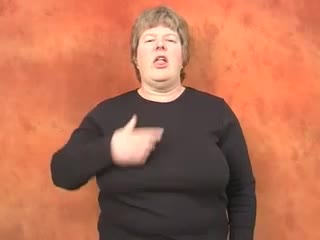
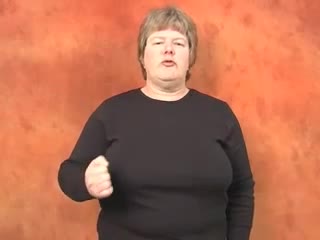
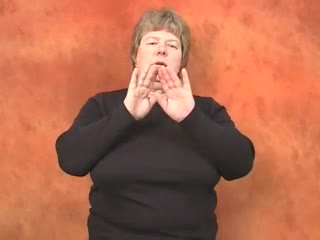
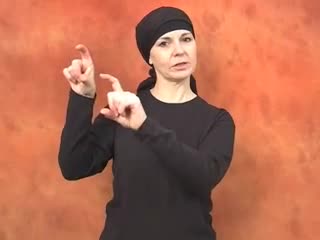
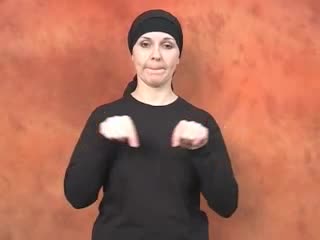
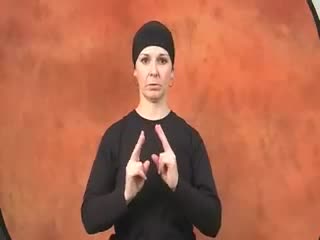
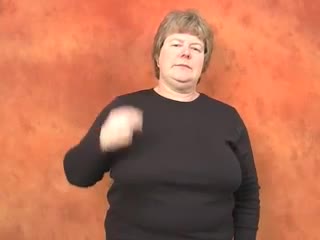
Visually, the dominant hand, forming a G-hand (index finger extended), acts like a pointer, moving forward and slightly upwards over the non-dominant open B-hand (flat palm). This movement isn't accidental. It powerfully symbolises the proactive nature of a leader: showing the way, moving ahead, and establishing a path for others to follow. The G-hand is the 'guide', and the B-hand often represents the foundation, the path, or the people being led.
This sign carries a neutral and descriptive tone. It simply denotes the presence or absence of leadership, or a discussion about its characteristics, without inherently judging it as good or bad. Its clarity and directness make it a fundamental sign when discussing organisational structures, team dynamics, or the qualities required to inspire and mobilise people.
When This Sign Feels Natural
You’ll find yourself reaching for this sign whenever the *concept* of leadership is the central theme of your conversation. Think about discussing the need for strong direction in a project, analysing a political figure's qualities, or reflecting on the importance of guidance within a community. It fits perfectly when talking about "effective leadership," "transformational leadership," or even the "absence of leadership."
This sign is incredibly versatile, suitable for both formal and informal contexts. Whether you're in a business meeting discussing management styles, or chatting with friends about who's taking charge of planning a social event, the BSL sign for leadership is appropriate. It allows you to articulate the abstract idea of guiding people towards a shared objective, regardless of the scale.
However, it’s worth noting when you might choose a different sign. If you’re talking about physically "leading the way" in a procession, or "leading someone by the hand," distinct signs for "go first" or "guide (physically)" would be more accurate. Similarly, if your focus is strictly on "managing" resources or a project schedule, signs like "manage" or "supervise" would offer more precision. This sign is truly about the strategic and visionary aspect of leadership, rather than the minute details of execution or physical direction.
What Learners Usually Miss
One of the most common oversights with the BSL sign for leadership lies in the precision of the dominant hand's movement. Learners often perform the G-hand moving straight forward, or even slightly downwards. Crucially, the movement needs to be *forward and slightly up*. That subtle upward tilt is vital; it conveys the sense of progress, elevation, and moving towards a higher goal, which is inherent in effective leadership. Without that upward trajectory, the sign can lose some of its proactive, aspirational meaning.
Another area where learners can sometimes falter is in the clarity and stability of both handshapes. The dominant G-hand must have a clearly extended index finger, with the other fingers curled and the thumb tucked in a proper G-shape – not a loose '1' hand or a 'D' hand. Equally important is the non-dominant open B-hand, which needs to be flat, steady, and act as a stable base or platform. A wobbly or poorly formed B-hand can distract from the clear, guiding motion of the dominant hand, making the sign less impactful and harder to read.
Finally, while the sign itself is neutral, remember that BSL is a full body language. Learners sometimes sign "leadership" with a blank or overly serious facial expression, regardless of the context. Always ensure your facial expression naturally aligns with the meaning you're conveying. If you're discussing "inspirational leadership," a positive, encouraging expression is key. If it's about "poor leadership," a more concerned or critical expression would be appropriate. Your face should always provide the emotional and contextual layer to your signs.
A Simple Way to Remember It
Imagine the dominant G-hand as your personal guide, pointing the way forward. It’s moving over a flat, stable path (your non-dominant B-hand), showing everyone the direction. The slight upward motion suggests that this leadership isn't just about moving, but about progressing and improving, leading others towards success and growth. It's about setting a clear, elevated path for others to follow.
- G for Guide: Think of the extended index finger (G-hand) as a guide or a compass needle, clearly pointing the direction for others to follow.
- Over the Path: The dominant hand moving *over* the non-dominant flat hand evokes the image of a leader moving ahead of the group, clearing a path and taking the lead.
- Forward and Up: Remember the subtle but important upward lift in the movement. It signifies not just movement, but *progress* and *elevation*, symbolising leading towards a better future.
Short Practice Situations
- Describe the qualities you believe are most important for effective political leadership in today's world.
- Imagine you're part of a team; sign about the impact of good leadership versus poor leadership on team morale and productivity.
- Discuss a fictional character from a book or film who exemplified extraordinary leadership and explain why.
- Role-play a conversation where you encourage a colleague to step up and take on a new leadership role in a community project.
- Explain to a friend how a specific organisation you know benefits from having visionary and consistent leadership.
Signs to Learn Next
- LEADER (person): While "leadership" is the abstract concept, learning the sign for the *person* who leads will give you the complete picture for discussing roles and individuals.
- GUIDE / DIRECT: These signs are closely related as they share the fundamental idea of showing the way or giving instructions, a core function of leadership.
- MANAGE / SUPERVISE: Leadership often goes hand-in-hand with management. Learning these signs helps you distinguish between inspiring vision and overseeing daily operations.
- TEAM / GROUP: Leadership is always exercised in relation to others. Knowing these signs allows you to clearly identify who is being led and for what collective purpose.
- INSPIRE: Effective leaders often inspire those they lead. This sign is essential for discussing the positive impact and motivational aspect of good leadership.