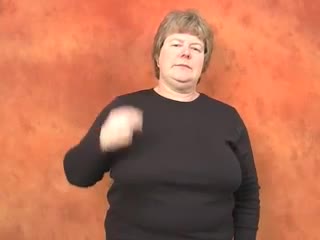
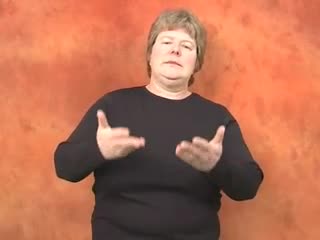
What This Sign Means in BSL
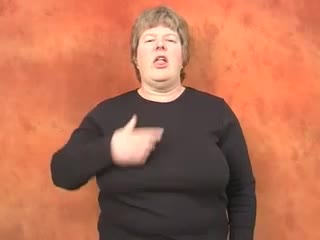
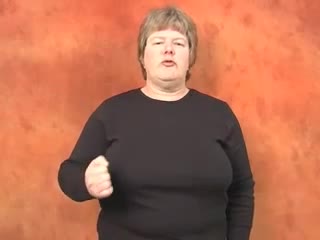
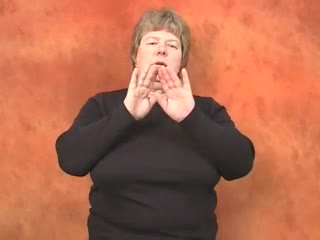
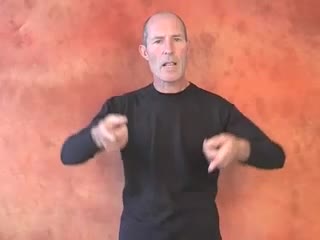
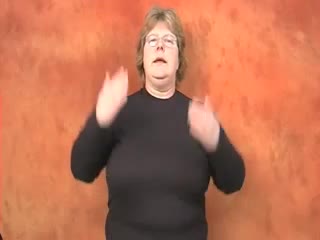
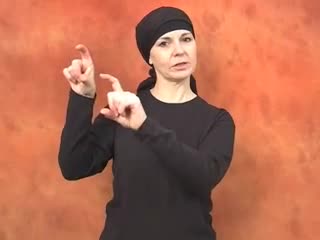
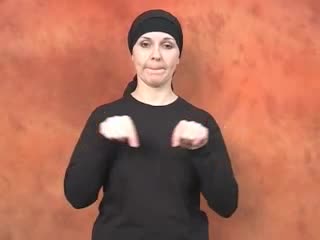
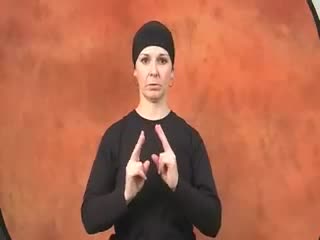
The BSL sign for volleyball is beautifully direct, painting a clear picture of the sport itself. It’s a noun sign, meaning it refers specifically to the game. What makes it particularly effective is how it visually mimics the very heart of playing volleyball: the continuous upward and forward striking motion of the ball over a net. You’ll notice your hands are open and slightly cupped, representing the shape of the ball and the way players often contact it.
This sign is widely understood across the UK BSL community, immediately conveying the sport without needing further context. It carries an inherent energy, reflecting the dynamic nature of volleyball. When you use this sign, you're not just naming a sport; you're subtly embodying the action, which is a powerful aspect of BSL communication. It’s a sign that feels natural and intuitive once you understand its visual connection.
Because it’s so iconic, this sign is fairly unambiguous. There's little room for confusion once you've seen it performed correctly. It's a fantastic example of BSL's visual-gestural nature, where the sign’s form directly communicates its meaning. Pay attention to the fluidity and repetition; these elements are crucial to capturing the essence of the game.
When This Sign Feels Natural
You’ll find this sign feels most natural in everyday conversations about sports, hobbies, or planning social activities. Imagine chatting with a friend about what you did last weekend, or suggesting a game: "Shall we play volleyball on Saturday?" It fits perfectly in these relaxed, informal settings. It’s also appropriate when discussing sports news, mentioning a team, or simply stating your favourite sport. Its clear and direct nature means it slots seamlessly into almost any relevant dialogue.
For learners, it's worth noting that while the sign is clear, the overall context of your conversation will always enhance its meaning. For example, if you're talking about sports in general, you might sign "SPORT" first, then "VOLLEYBALL" to specify. This helps your audience follow your train of thought, especially if they’re less familiar with specific sport signs. However, if the topic of sports is already established, the sign for "volleyball" stands strong on its own.
This sign doesn't typically change much in different registers; whether you're signing to a close friend or in a slightly more formal setting like a community group discussion, the sign itself remains consistent. Its power lies in its universal recognition within the BSL community in the UK, making it a reliable and expressive choice whenever you need to talk about this particular sport.
What Learners Usually Miss
Many learners initially focus on just the handshape, but often miss the subtle yet critical aspects of movement and location. The movement isn't just a single hit; it's a repeated, upward and slightly forward action, mimicking the constant volleying of the ball. Some learners might sign it too stiffly or with only one 'hit', which can make it look like 'hitting something once' rather than the continuous play of volleyball. Remember, the repetition and fluidity are key to conveying the game's ongoing nature.
Another common oversight is the location and direction. The sign happens in mid-air, in front of your upper torso and head, indicating the ball being hit high over a net. Learners sometimes sign too low or too close to their body, which can diminish the visual clarity. Ensure your hands are moving upwards and slightly forwards, suggesting the trajectory of a volleyball. Think about the 'over the net' aspect as you sign; this will naturally guide your hands to the correct height and movement.
Finally, facial expression, though often subtle for this sign, can convey much. A neutral or slightly energetic expression is usually appropriate. An overly serious or completely blank face might make the sign feel less natural or enthusiastic. While it’s not as critical as for some emotional signs, allowing a hint of the game's energy to show on your face can make your signing more engaging and authentic. Practice maintaining a relaxed, ready expression as you perform the repeated movement.
A Simple Way to Remember It
The beauty of the BSL sign for volleyball is how directly it shows you the game. To embed it in your memory, focus on connecting the sign's form to the actions of playing the sport. Think of your hands as the players' hands, and the movement as the constant action of keeping the ball in play.
- The Hitting Action: Your hands repeatedly moving upwards and forwards directly illustrates hitting the volleyball over the net. Feel the rhythm of the game in your hands.
- The Ball's Presence: The open, slightly cupped handshape implicitly suggests the shape of the volleyball itself. It’s like your hands are ready to receive or strike the ball.
- Continuous Play: The crucial repetition of the movement isn't just an arbitrary action; it's the very essence of 'volleying' the ball back and forth, keeping it from touching the ground.
Short Practice Situations
- "I love watching professional volleyball matches; the players are incredibly skilled."
- "Do you want to organise a game of volleyball down at the beach next summer?"
- "Our local sports centre has a fantastic new court just for volleyball."
- "She used to play volleyball competitively when she was at university."
- "Learning to serve in volleyball can be quite challenging, but it's very rewarding."
Signs to Learn Next
- SPORT: This general sign is often used as a category or to introduce the topic before specifying "volleyball." Learning it helps to frame your conversation.
- BALL: Understanding the sign for the object itself can reinforce the concept, as "volleyball" is essentially a type of ball-game.
- PLAY (game/sport): This verb pairs perfectly with "volleyball" when you want to talk about engaging in the activity, e.g., "play volleyball."
- TEAM: Volleyball is a team sport, so knowing how to sign "team" is essential for discussing groups of players or competitions.
- GAME/MATCH: These signs are useful for talking about the event of playing volleyball, such as "a volleyball game" or "a match."