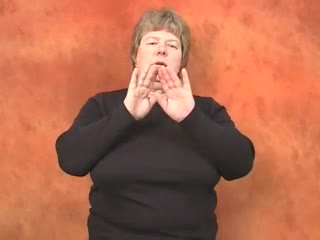
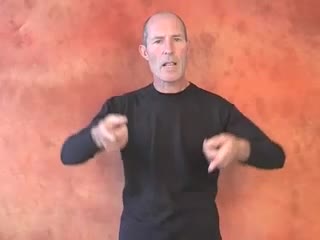
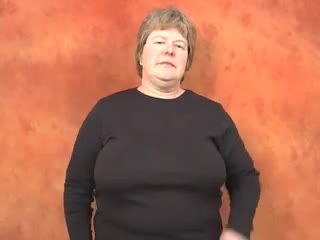
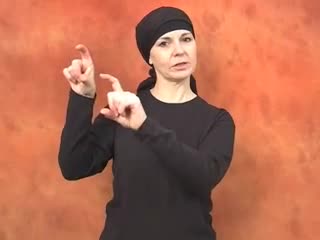
What This Sign Means in BSL
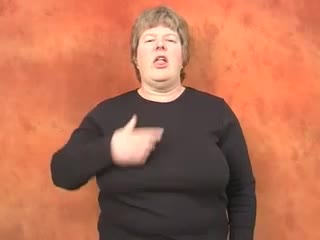
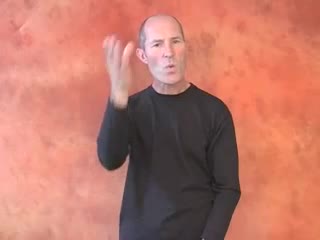
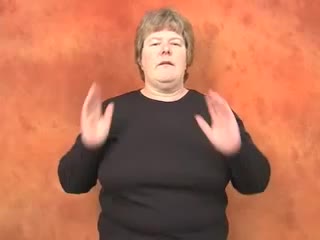
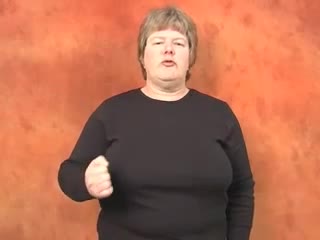
The BSL sign for evening beautifully captures the essence of the day winding down. It's a straightforward, intuitive sign that visually represents the transition from daylight into the calm, cooler part of the day. Think of it as the sun gently making its descent, or the energy of the day settling.
This sign is a fundamental part of expressing time in BSL, indicating the period after afternoon and before night. It carries a general, inclusive meaning for the entire evening period, making it versatile for both specific plans and broader descriptions of daily routines. Its simplicity makes it instantly recognisable and easy to integrate into conversations.
You'll find this sign used frequently to arrange plans, describe events, or simply refer to that time of day. It doesn't typically carry strong emotional connotations on its own, instead acting as a clear, functional marker for a specific chunk of time. It's an anchor point in the daily chronology, signifying a shift in pace and activity for many.
When This Sign Feels Natural
This sign feels most natural when you're referring to the general period between late afternoon and bedtime. You'd use it if you're planning a casual catch-up: "Shall we meet this evening?" or describing a regular occurrence: "I usually relax in the evening." It's perfect for those everyday, conversational moments when the precise hour isn't crucial, but the time of day is.
Consider your audience and the context. If you're talking about a dinner reservation at 7 PM, you might sign "7 o'clock" followed by "evening" to add context, or even just "7 o'clock" if the context is clear. However, if you're simply saying, "I'll be home this evening," the single sign for evening is perfectly sufficient and most natural. It's less about a specific clock time and more about the atmospheric transition.
You might choose a different sign if you need to be more specific or if the context implies a very late time. For instance, if you mean tonight, you might sign "evening" followed by a sign indicating "now" or "today" with strong non-manual features (NMFs) to clarify. Similarly, if you're referring to the very late hours, approaching midnight, the sign for NIGHT might become more appropriate. The BSL sign for evening truly shines when referring to that gentle, post-work or post-school period.
What Learners Usually Miss
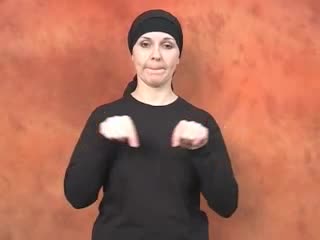
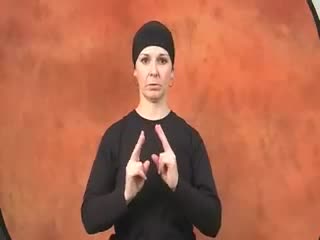
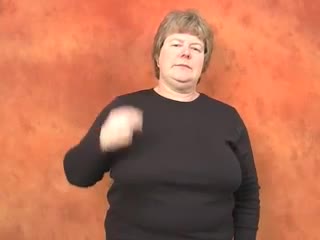
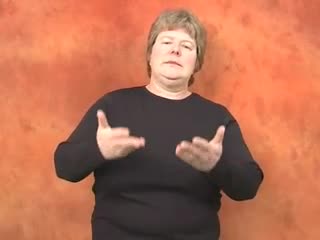
One common oversight learners make with the BSL sign for evening is the exact hand orientation and movement. While it’s a flat hand, it isn't always perfectly palm-forward. The sign starts with your dominant hand, fingers together and thumb alongside, with the palm facing slightly down and inward. It's a subtle tilt, not a flat, rigid position. Many tend to hold the hand too flat or too open, missing that initial, relaxed orientation. The correction is to ensure that gentle inward tilt, as if your hand is resting naturally before moving.
Another area where learners often miss the nuance is the movement itself. It’s not just a straight drop. The sign involves a smooth, gentle downward arc from near your dominant shoulder or upper chest towards your waist or hip. Some learners make the arc too sharp, too short, or too far out from the body. It should feel like a natural, unhurried gesture, much like the sun's slow descent. Focus on making the arc fluid and relaxed, letting your hand draw that natural curve downwards, mimicking the day's graceful conclusion.
Finally, learners sometimes overlook the importance of consistency in location. The sign shouldn't start too high near your ear or finish too low near your knee. The starting point is roughly shoulder or upper chest height, moving down to around waist or hip level. This range keeps the sign clear and within a comfortable signing space. Maintaining this consistent start and end point helps the sign flow naturally within your overall signing, preventing it from looking isolated or awkward.
A Simple Way to Remember It
A great way to remember the BSL sign for evening is to visualise the sun setting. Imagine your dominant hand as the sun, high in the sky during the day. As evening approaches, the sun begins its gentle journey downwards towards the horizon. The smooth, downward arc of the sign perfectly mirrors this natural phenomenon, bringing the day to a close.
- Setting Sun: The hand's gentle downward arc directly represents the sun sinking below the horizon at the end of the day.
- Day's Decline: The movement from a higher point to a lower point reflects the energy and light of the day gradually diminishing.
- Calm Descent: The smooth, unhurried nature of the movement embodies the relaxed, winding-down feeling often associated with the evening.
Short Practice Situations
- Shall we go for a walk in the park this evening if the weather is nice?
- I’m planning to cook a big dinner for my family this evening after work.
- The community centre often hosts social events during the week in the evening.
- We like to sit on the balcony and watch the sunset every fine evening.
- My favourite TV show comes on a bit later this evening, so I’ll record it.
Signs to Learn Next
- MORNING: This is a natural counterpart, representing the start of the day. Learning it alongside "evening" helps you establish a full daily time frame.
- AFTERNOON: This sign immediately precedes "evening" in the daily cycle. Understanding its distinction helps you precisely describe different parts of the day.
- NIGHT: While similar in concept, "night" refers to the darker, later hours after evening. Knowing both helps you choose the most appropriate sign for the context.
- TODAY: Often combined with "evening" (e.g., "today evening" to mean "this evening"), learning "today" provides essential temporal context.
- TOMORROW: Just as you might say "tomorrow morning," you'll frequently use "tomorrow evening." It extends your ability to plan and discuss future events.