What This Sign Means in BSL
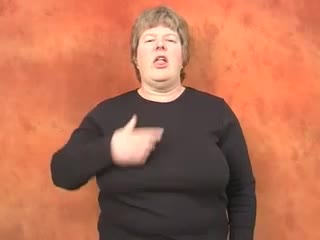
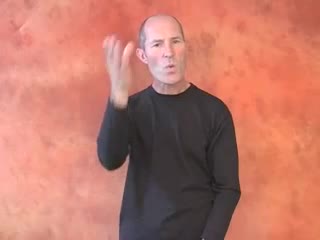
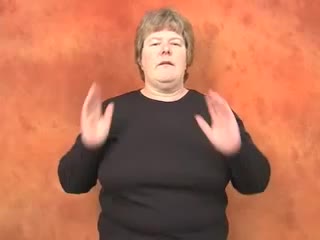
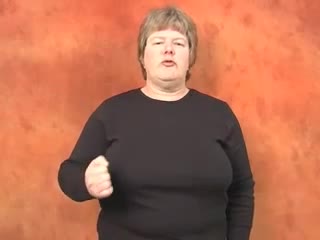
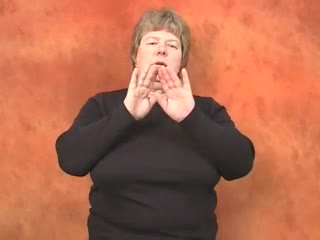
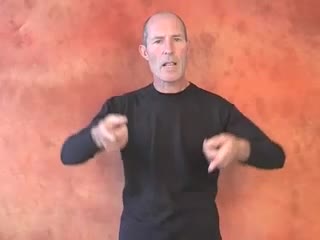
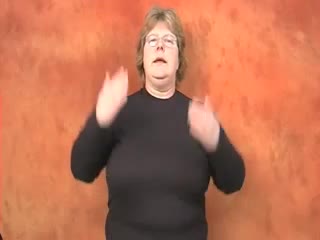
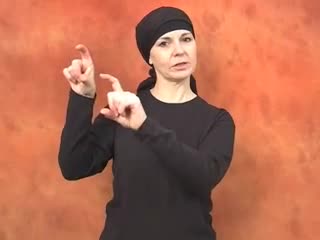
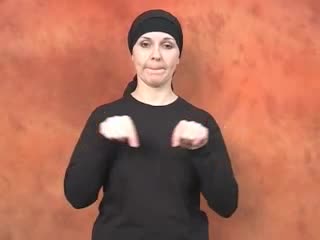
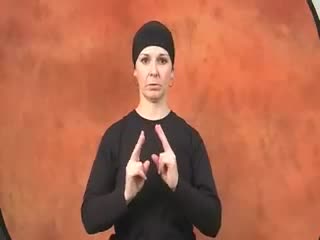
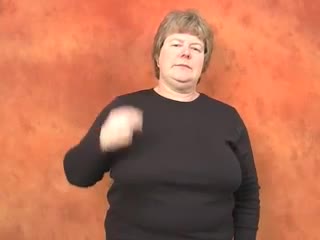
The BSL sign for weld pass visually captures the essence of a welding process. Imagine a welder carefully guiding their torch along a seam; that's precisely what this sign illustrates. It’s a direct and descriptive noun, referring to the specific line or bead of weld material laid down during the process. When you see this sign, you’re looking at the outcome of that precise, controlled movement.
This sign isn't just about the general concept of "welding"; it's much more specific, referring to a completed section or a single pass made by a welding torch. It brings to mind the industrial context of fabrication, construction, and repair, where the quality and integrity of each weld pass are critical. You'll find it used in discussions about engineering, manufacturing, and skilled trades.
What's particularly striking about this sign is its clarity. The handshapes and movement combine to create a miniature representation of the physical action, making its meaning quite transparent even to newer learners. It emphasizes precision and the tangible result of a skilled operation, rather than the abstract idea of joining metals.
When This Sign Feels Natural
This sign feels most natural when you're discussing the specific finished product of welding, perhaps inspecting a completed job or detailing a repair. Think about situations where you're pointing out a particular seam on a fabricated metal structure, or when you need to distinguish between different stages of a welding project, like "the first weld pass" versus "the second." It fits perfectly into conversations with other craftspeople, engineers, or anyone familiar with industrial processes.
You'll find it commonly used in professional contexts, such as workshops, construction sites, or educational settings where vocational training in welding is taking place. The precision of the sign reflects the precision required in the trade itself. It helps to convey clear, unambiguous information about the physical work being done, rather than a more abstract concept of joining materials.
While it's a specific sign, don't hesitate to use it whenever the context calls for describing the physical result of a welding action. If you're describing how a piece of metal was joined, or explaining a flaw found in a particular part of a joint, this sign is your go-to. It might feel a bit too technical for very casual chats, but if your conversation partner understands the context, it’s the most accurate and natural choice.
What Learners Usually Miss
A common area where learners sometimes falter with this sign is the precise orientation of the dominant G-hand. It should be palm down, mimicking a torch head pointed directly at the surface. Occasionally, learners might turn the palm to the side or up slightly, which can subtly alter the visual metaphor and make the sign less clear. Ensure your index finger is pointing straight down towards the non-dominant hand, maintaining that clear "tool" posture.
Another crucial detail often missed is the consistent, linear movement of the dominant G-hand across the non-dominant B-hand. The non-dominant hand serves as the metal surface being welded, so the dominant hand needs to glide smoothly and steadily across it. Avoid choppy, hesitant, or overly fast movements. The action should convey control and precision, reflecting the careful work of a welder. Think of it as drawing a straight line with the "torch," not scribbling.
Pay close attention to the spatial placement of the sign. It’s performed at mid-chest to waist level, which visually positions the action in a realistic working space. Sometimes learners might bring the hands too high, closer to the face, or too low, out of the natural signing space. Keeping it within the designated mid-range helps maintain the sign's clarity and natural flow within BSL conversation. Remember, it's a noun; the facial expression would typically be neutral or reflective of the context, not an active "doing" expression.
A Simple Way to Remember It
This sign is wonderfully iconic, essentially a miniature re-enactment of the welding process. To lock it into your memory, break down the visual components and connect them to the real-world action.
- The G-Hand as the Torch: Imagine your dominant hand's extended index finger (the G-hand) as the tip of a welding torch, pointing down with precision. This visual instantly connects the handshape to the tool.
- The B-Hand as the Metal Surface: Your non-dominant, flat B-hand, palm up, represents the flat piece of metal or the surface being welded. It provides the canvas for the "torch" to move across.
- The Linear Movement as the "Pass": The smooth, controlled sweep of your dominant G-hand across the non-dominant B-hand perfectly illustrates the "pass" – the specific line or bead of weld being laid down. It's the action that creates the weld pass.
Short Practice Situations
- After inspecting the new gate, the engineer pointed out a few weak weld passes that needed reinforcing.
- The apprentice spent the morning practicing consistent weld passes on scrap metal, focusing on speed and angle.
- During the repair, we had to carefully grind down the old weld pass before applying a fresh one to ensure a strong joint.
- The supervisor praised the team for the clean and uniform weld passes visible on the finished structural beams.
Signs to Learn Next
- WELD (verb/general): Understanding the verb form of "weld" will help you distinguish between the action itself and the specific noun "weld pass." Often, the general "weld" might involve a repetitive or broader movement.
- METAL: Since welding is all about joining metals, learning the sign for "metal" provides essential context for discussions involving materials and fabrication.
- BUILD/CONSTRUCT: Welding is a fundamental part of building and construction. Learning these broader terms allows you to place "weld pass" within the larger scope of creating structures.
- JOIN: The core purpose of welding is to join two pieces together. Knowing the sign for "join" helps you discuss the fundamental action that a weld pass achieves.
- ENGINEER/ENGINEERING: Many discussions involving weld passes occur in engineering or technical contexts, making the sign for "engineer" or "engineering" a natural and useful addition to your vocabulary.