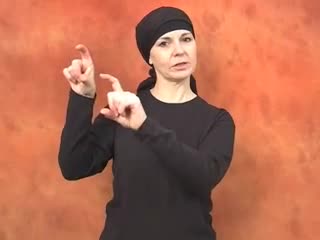
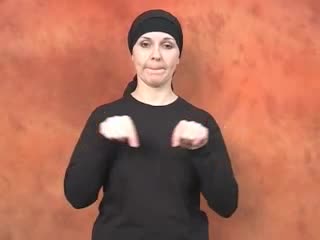
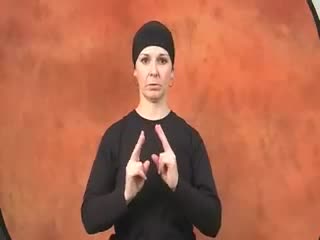
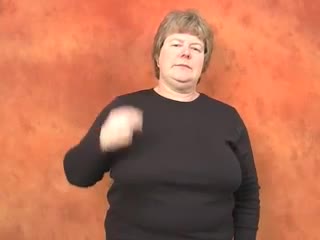
What Is the BSL Sign for "lift"?
You know that feeling when you're navigating a multi-story building and suddenly need to go up a floor or ten? That essential mechanical contraption for vertical transport has its own distinct representation in British Sign Language. Mastering the BSL sign for lift isn't just about learning a single gesture; it's about understanding how the Deaf community visually articulates this common concept. Here's a look at the specific way you express "lift" within British Sign Language, opening up conversations about accessibility and architecture.
How to Sign "lift" in British Sign Language - Step-by-Step
Let's break down the precise movements and expressions that bring the sign for "lift" to life in BSL, giving you a clear guide for accurate communication.
Step 1: Handshape
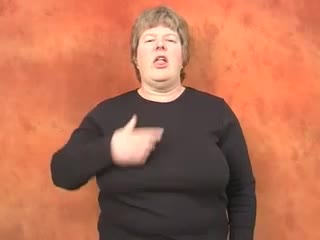
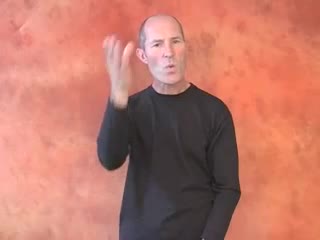
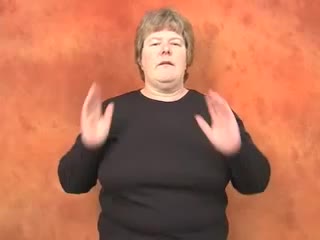
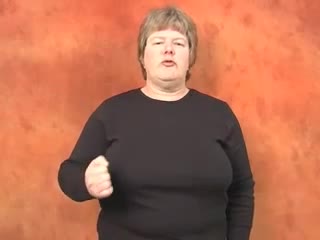
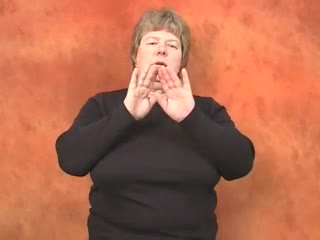
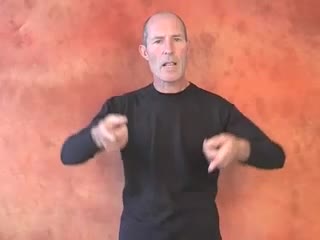
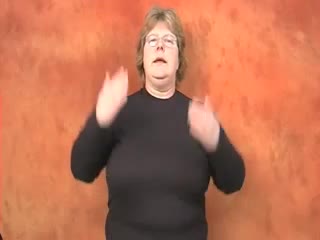
Begin by forming a flat 'B' handshape with your dominant hand. Your palm will be open and flat, with all four fingers held together and extended straight, while your thumb rests naturally alongside the palm. Imagine your hand is a flat platform or the floor of the lift itself.
Step 2: Hand Placement and Location
Position your dominant hand, still in that flat 'B' shape, in the neutral signing space directly in front of your chest. Your palm should initially face inwards towards your body, with your fingertips pointing forward and slightly upward. Keep your elbow relaxed, allowing your forearm to be roughly parallel to the ground.
Step 3: Movement
From its starting position, smoothly move your dominant hand upwards in a controlled, vertical motion. It's a single, deliberate ascent, mimicking the action of a lift traveling from one floor to the next. The movement should be steady, not jerky, typically rising about six to eight inches.
Step 4: Facial Expression and Mouthing
A neutral, attentive facial expression generally accompanies this sign, reflecting the straightforward nature of the word. Mouthing the English word "lift" is common practice for many BSL users, aiding clarity and providing phonological information, even though BSL operates independently of spoken language. This non-manual feature helps disambiguate from other signs that might share similar manual components but carry different meanings.
Step 5: Palm Orientation
Your palm begins facing inwards towards your body, and it maintains this orientation throughout the upward movement. This consistent palm direction reinforces the visual imagery of a platform rising vertically, ensuring the sign's meaning is unmistakably clear within the BSL lexicon. Any deviation could alter the sign's intended message or even render it unintelligible.
"lift" in BSL - Quick Reference Snapshot
- Handshape: Flat 'B' hand, fingers extended and together.
- Location: Neutral space, in front of the chest.
- Movement: Single, steady upward vertical motion.
- Facial Expression: Neutral, often accompanied by mouthing "lift".
- Dominant Hand: Used exclusively for the signing action.
- Palm Orientation: Initially facing inwards, remains so throughout.
5 Memorisation Tricks for the BSL Sign "lift"
Here are some clever ways to really embed the sign for "lift" into your BSL vocabulary, making it stick in your mind for good.
- **Visualise the Platform:** Picture your flat dominant hand as the actual floor of a lift, moving smoothly upwards. This direct iconic representation makes the handshape and movement immediately intuitive; you're literally showing the motion of a rising platform.
- **Muscle Memory Drill with a Purpose:** Stand next to a wall and practice the upward movement, imagining your hand is tracing the path of a real lift shaft. Repeating this motion a few times, consciously feeling the steady ascent, helps build precise muscle memory, ensuring your sign is consistent and clear every time.
- **Connect to "Elevate":** Think of the word's core meaning: "to elevate" or "to raise something upwards." The sign perfectly embodies this concept, so whenever you think of something going up, recall this simple, direct upward motion.
- **Avoid the "Push" Confusion:** Be careful not to thrust your hand forward or upward too aggressively, which can look like "push" or "force." The sign for "lift" requires a gentle, controlled rise, distinguishing it from signs involving more forceful actions.
- **Daily Commute Integration:** Every time you see or use a lift in your daily life, mentally (or physically, if appropriate!) sign "lift." This constant, real-world reinforcement will solidify the connection between the object and its BSL representation in your mind.
Real-Life Situations to Use the BSL Sign for "lift"
Knowing how to sign "lift" is incredibly useful, opening doors to clear communication in various everyday scenarios.
- Asking for directions in a shopping centre: You might sign, "TOILET, WHICH FLOOR? LIFT WHERE?" using BSL's topic-comment structure, with facial grammar indicating a question.
- Discussing travel plans with a friend: Imagine you're signing, "HOTEL, HAS LIFT?" The sign for "lift" here would be accompanied by raised eyebrows and a slight forward lean, showing it's a yes/no question.
- Explaining accessibility features to someone: You could sign, "BUILDING, LIFT BROKEN," with a negative headshake to convey the issue, indicating the lift is currently out of order.
- Offering assistance to someone with heavy bags: You might sign, "BAGS HEAVY? WANT LIFT?" Here, the sign for "lift" refers to the mechanical device rather than the verb "to lift."
Top 3 Mistakes Learners Make Signing "lift" in BSL
Even experienced learners can sometimes stumble, so let's pinpoint the common pitfalls with the sign for "lift" and how to steer clear of them.
- **Incorrect Handshape:** Many beginners mistakenly use a 'C' handshape or even a fist. This happens because they're trying to visualise the *interior* of a lift or the *action* of gripping. The correct form is a flat 'B' hand, representing the flat floor or platform, so ensure all fingers are together and extended, not curled.
- **Jerky or Excessive Movement:** Instead of a smooth, controlled ascent, learners sometimes make the movement too short and abrupt, or conversely, too large and sweeping. This often stems from a lack of confidence in the specific range of motion. The correction involves practising a steady, moderate upward rise, about six to eight inches, maintaining a consistent pace.
- **Wrong Palm Orientation:** Starting with the palm facing outwards or rotating it during the movement is another frequent error. This might occur due to a natural tendency to present the sign to the viewer. Remember, the palm should face inwards towards your body throughout the entire sign, visually conveying that you are demonstrating the lift's action from your perspective.
Fascinating Facts About the BSL Sign for "lift"
The BSL sign for "lift" carries more than just its simple meaning; it has some interesting linguistic and cultural nuances.
- This sign is highly iconic, meaning its form directly resembles the action or object it represents. You're visually tracing the path of a lift ascending, making it quite intuitive for new learners to grasp.
- While the core sign for a general "lift" is widely understood across the BSL-using community, you might encounter subtle regional variations in the speed or height of the movement. These differences are usually minor and don't impede comprehension.
- The sign focuses on the *movement* of the lift itself, rather than the act of *pushing a button* or *entering a door*. This emphasis on the vertical motion highlights the primary function of the apparatus.
- Its clear, single-handed execution makes it relatively easy to distinguish from other signs, particularly those involving two hands or more complex manipulations.
- Sometimes, the sign for "lift" can also be subtly modified with non-manual features to indicate the *type* of lift, for example, a slower, more deliberate movement might suggest a goods lift, though this is often clarified with additional signs.
"lift" in Deaf Culture - Community and Identity
The concept of a "lift" holds a practical significance in Deaf culture, tying into themes of accessibility and navigation within public spaces. In a world often designed for hearing people, the presence and functionality of lifts become crucial for many Deaf individuals, particularly those with mobility considerations or when navigating large, multi-story venues. Discussing a lift's location or its operational status is a common part of daily conversation, fostering a shared understanding of navigating the built environment. When a lift is out of order, it can represent a significant barrier, and its absence frequently becomes a topic of shared frustration within the community. Furthermore, the sign itself is a universally recognised part of BSL, a testament to how the Deaf community has created a rich, visual language to describe every aspect of their world.
Example Conversations Using "lift" in BSL
Here are some practical examples to see "lift" in action within different BSL sentence structures.
English: Where is the nearest lift? - BSL structure: "LIFT, NEAREST, WHERE?" (Topic-comment structure, question marked by facial expression).
English: The lift is broken today. - BSL structure: "TODAY, LIFT, BROKEN." (Time-topic-comment order, negative headshake for "broken").
English: Let's take the lift to the fifth floor. - BSL structure: "WE, LIFT, FIFTH FLOOR, GO." (Clear subject-verb-object with directional indication).
English: Is there a lift in this building? - BSL structure: "BUILDING, LIFT, HAVE?" (Yes/no question with raised eyebrows and slight lean).
English: I waited for the lift for ten minutes. - BSL structure: "LIFT, I, WAITED, TEN MINUTES." (Clear subject and temporal adverbial placement).
Frequently Asked Questions: The BSL Sign for "lift"
Is the BSL sign for "lift" the same across the entire UK?
While the fundamental sign for "lift" in BSL is largely consistent throughout the United Kingdom, you might observe minor regional variations. These differences are usually subtle, perhaps in the exact height of the movement or the speed of execution, but they rarely hinder understanding among BSL users.
Are there any similar BSL signs I might confuse with "lift"?
Learners sometimes confuse "lift" with signs like "up" or "rise" due to the shared upward movement. However, "up" typically involves pointing or a more general upward sweep, while "rise" might have a different handshape or two-handed execution. Pay close attention to the precise flat 'B' handshape and the specific, contained vertical motion unique to "lift."
Is the BSL sign for "lift" suitable for beginners to learn early on?
Absolutely, the sign for "lift" is an excellent sign for beginners! Its iconic nature, simple handshape, and straightforward movement make it relatively easy to learn and remember. It's a highly practical word, so you'll find plenty of opportunities to use it in everyday conversation right away.
Can children easily learn and use the BSL sign for "lift"?
Children pick up the BSL sign for "lift" very quickly due to its visual simplicity and direct representation of the object. It's a common sign to introduce early, especially when discussing places like shopping centres, hospitals, or multi-story homes, making it a great addition to their developing BSL vocabulary.
How does the BSL sign for "lift" compare to how the concept might be expressed in other visual languages?
The BSL sign for "lift" is quite distinct, particularly in its specific flat 'B' handshape representing the platform and its clear upward motion. Other visual communication systems might use different handshapes, two hands, or even incorporate more abstract movements to convey the same concept, highlighting the unique linguistic evolution of each signed language.
Signs That Pair Naturally with "lift" in BSL
Building your BSL vocabulary effectively means learning signs in clusters; here are some that naturally go hand-in-hand with "lift."
- **STAIRS:** This sign is often used in contrast to "lift," discussing different ways to move between floors. Learning them together helps you articulate choices for vertical movement.
- **FLOOR (level):** You'll frequently specify which floor you're going to or from when using a lift. This pairing is essential for spatial navigation.
- **UP/DOWN:** These directional signs are fundamental to understanding the lift's movement and can be used to describe its function or current status.
- **BROKEN:** If a lift isn't working, you'll definitely need to sign "broken" to communicate the issue. This is a crucial practical pairing.
- **ENTRANCE/EXIT:** Knowing where to find the lift often involves understanding where the building's entrance and exit points are located.
- **ACCESSIBLE:** Discussions about lifts often relate to accessibility, making this a relevant sign to learn alongside.
Building Fluency: How to Practise "lift" in BSL
You've got the steps, now let's get you truly fluent with the BSL sign for "lift" through active and engaging practice. Try standing in front of a mirror and watch your dominant hand as you perform the sign, ensuring your handshape remains a flat 'B' and your palm consistently faces inwards during the steady upward movement. Integrate "lift" into your daily BSL conversations by describing trips to the shops or discussions about different buildings. Consider filming yourself signing "lift" and then reviewing the footage; this is a powerful way to spot subtle errors and refine your technique, making your sign clearer and more natural. Ultimately, finding a Deaf conversation partner provides the best practice environment, offering immediate feedback and the opportunity to use the sign authentically in context. Keep practising regularly, and soon, signing "lift" will feel completely effortless.