What This Sign Means in BSL
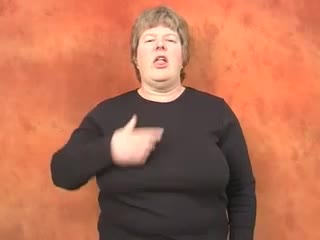
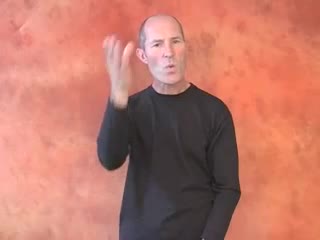
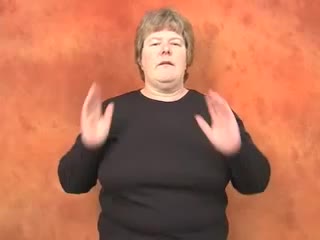
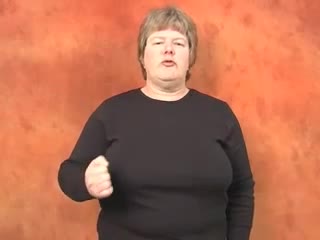
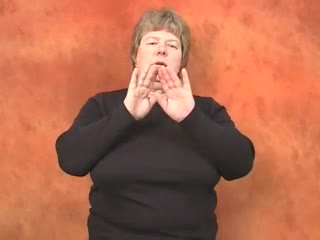
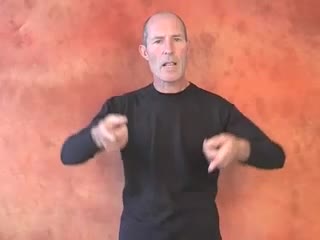
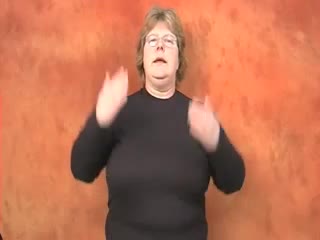
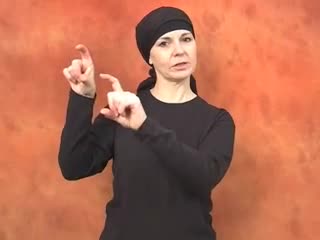
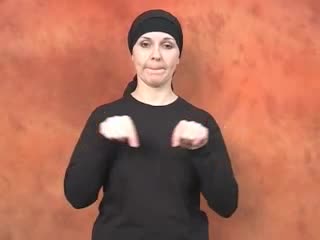
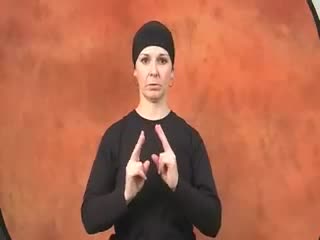
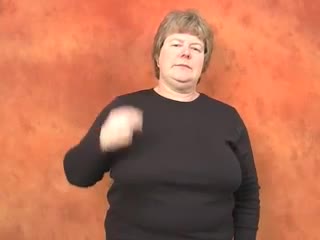
The BSL sign for kneepad is wonderfully transparent, directly reflecting the object's function and placement. When you see it, you immediately grasp what it represents: a protective item worn on the knee. This isn't an abstract or metaphorical sign; it's a clear, iconic representation, making it quite intuitive for learners and highly effective in conversation.
You're essentially showing the act of placing or having a pad on your knee. The handshape, a bent 5-hand, naturally suggests the slightly curved, cushioned form of a kneepad, while the movement of tapping or brushing against the knee visually reinforces where it belongs and what it does. It’s a beautifully concise way to communicate a specific piece of equipment.
Because of its directness, this sign carries a practical, descriptive tone. It's not used for emotional expression, but rather to convey precise information about an item of clothing or safety gear. This clarity means it’s understood across various contexts, from discussing sports equipment to home DIY projects, without needing much additional explanation.
When This Sign Feels Natural
This sign feels most natural in conversations where the specific item "kneepad" is the focus, particularly in practical, everyday contexts. Think about discussions around safety, sports, gardening, or construction. If you're talking about someone working on their knees, or advising on protective gear, this sign slots in perfectly, making the communication efficient and unambiguous.
You'd choose this sign when speaking to a wide range of BSL users, as its visual clarity makes it accessible. It’s a standard sign, so you don't need to worry about it being too informal or overly technical. It serves well in situations like explaining what gear a skateboarder needs, describing gardening tools, or discussing what equipment is required for a building site.
While you could theoretically describe a kneepad using signs like "protection" and "knee," or "pad" and "knee," using the dedicated BSL sign for kneepad is always more natural and efficient. It signals that you're referring to this specific, common item, much like using the word "kneepad" instead of "a thing that protects your knee." It shows fluency and precision in your signing.
What Learners Usually Miss
One common subtlety learners miss with the BSL sign for kneepad is the precise handshape. It's a bent 5-hand with fingers together, not a flat palm or splayed fingers. The slight curve and togetherness of the fingers are crucial; they mimic the gentle contour and solid form of a kneepad. Many learners initially flatten their hand or spread their fingers, which can make the sign look more like "pat" or "stroke" rather than "pad." Practice maintaining that compact, slightly cupped handshape.
Another area where learners often need refinement is the movement. The instruction specifies "tap or brush against the knee," implying a definite, intentional contact. Some learners might make a vague gesture towards the knee or perform a very weak, hesitant touch. The movement should be firm enough to convey the physical presence of a pad, like you're either applying it or indicating its fixed position. It's about showing the object's interaction with the body, not just its location.
Finally, paying attention to the exact location on the body is important. While "knees" seems straightforward, some learners might sign too high on the thigh or too low on the shin. The sign is precise because the item itself is designed for a very specific joint. Also, while facial expression for a simple noun is often neutral, remember that context can subtly inflect it. For instance, if you're warning someone to wear kneepads for safety, a slight expression of concern would naturally accompany the sign, adding depth without altering the sign's core meaning.
A Simple Way to Remember It
The sign for kneepad is incredibly visual, almost like a mini-demonstration of the item itself. To remember it easily, picture the actual object and how it functions. It's about wearing protection on your knee, and the sign literally shows that connection.
- Shape in Hand: Imagine your bent hand as the curved, padded surface of a kneepad, ready to cup around your knee.
- Action of Use: The tapping or brushing movement is like securing the kneepad, or simply indicating its presence and protective function on the joint.
- Exact Location: The sign happens right where a kneepad goes. This direct placement is your strongest memory hook – it's literally showing the item on its designated spot.
Short Practice Situations
- "Do you remember to wear your kneepads when you’re gardening in the flower beds?"
- "For skateboarding, you definitely need good kneepads and a helmet to stay safe."
- "My child is learning to crawl, so I bought them soft kneepads to protect their little knees."
- "When I’m doing DIY work on the floor, I always make sure to put my kneepads on first."
Signs to Learn Next
- KNEE: This is an obvious connection, as the sign for kneepad directly incorporates the location of the knee. Learning the isolated sign for KNEE will strengthen your understanding of body parts and spatial relationships in BSL.
- PROTECT / SAFETY: Kneepads are a form of protection. Learning these broader concepts will help you discuss the reasons for wearing such gear and expand your vocabulary around safety measures.
- PAD: While there isn't a single universal sign for "pad" that fits every context, understanding how the concept of a soft, cushioned item might be conveyed (often descriptively) will deepen your grasp of how BSL handles specific versus general nouns.
- ELBOW PAD: This sign is often structurally similar to kneepad but performed on a different body part. Learning it helps reinforce the concept of protective gear and the role of location in distinguishing similar signs.
- GARDEN / DIY / SPORT: These are common contexts where kneepads are used. By learning these activity-based signs, you can immediately put "kneepad" into practical, conversational use and describe scenarios more fully.