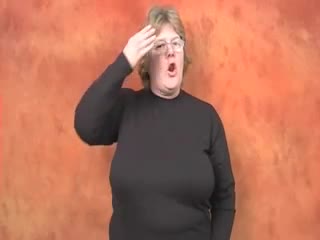
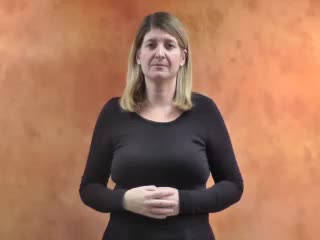
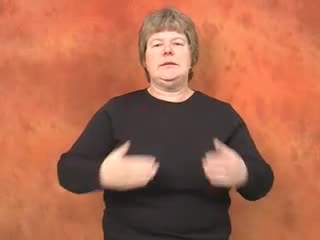
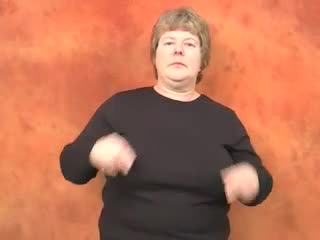
What Is the BSL Sign for "protect"?
When you're learning British Sign Language, discovering the signs that convey deep human concepts like "protect" truly enriches your vocabulary and connection with the Deaf community. This vital sign embodies safeguarding, keeping safe, and looking after something or someone, representing a core concept in human interaction and care. Mastering the BSL sign for protect opens up countless conversational possibilities, allowing you to express care, responsibility, and security in a uniquely visual and expressive way. You'll find this particular British Sign Language protect sign is often used in contexts ranging from personal safety discussions to broader societal concerns. It's a sign that carries significant weight, visually demonstrating an encompassing action of defence or shielding.
How to Sign "protect" in British Sign Language - Step-by-Step
Let's break down the movements for this significant BSL sign, guiding your hands and body into the correct formation.
Step 1: Handshape
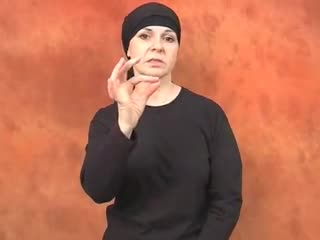
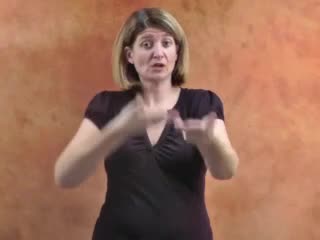
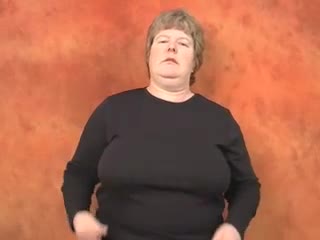
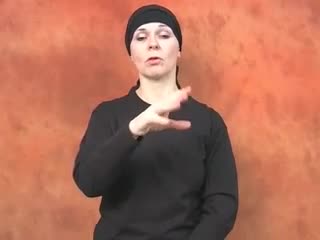
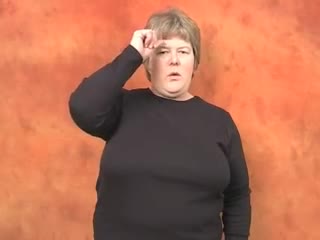
For the BSL sign for "protect," you'll form both of your hands into an 'S' handshape. This means clenching your fingers into a fist, with your thumb wrapped across the front of your curled fingers, resting just above your knuckles. Ensure your knuckles are slightly prominent, creating a solid, rounded shape with each hand.
Step 2: Hand Placement and Location
Begin by positioning your non-dominant hand, still in that 'S' handshape, stationary in front of your upper torso, roughly at chest height. Its palm should face slightly upwards or inward towards your body, establishing a foundational point. Your dominant hand, also in the 'S' handshape, starts just above your non-dominant hand, poised to initiate the movement.
Step 3: Movement
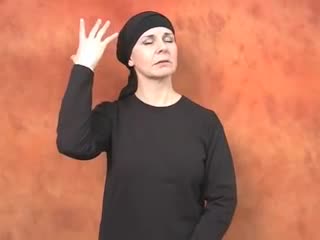
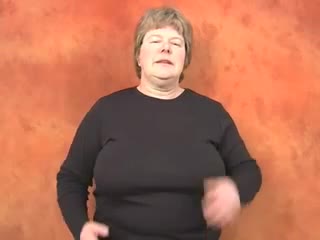
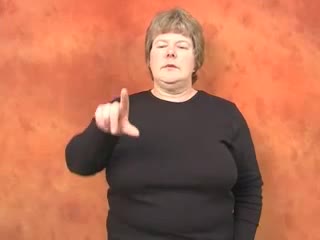
Now, with your dominant hand, execute a smooth, deliberate sweeping motion. It begins above your non-dominant hand and arcs downwards and slightly outwards, passing over the non-dominant hand as if forming a protective cover or barrier. Imagine your dominant hand creating a shield or a roof over whatever your non-dominant hand represents. This single, encompassing arc is key to conveying the full sense of the BSL protect sign.
Step 4: Facial Expression and Mouthing
Non-manual features are absolutely integral to BSL grammar and meaning; for "protect," a serious or determined facial expression significantly enhances the sign's intent. You might subtly furrow your brow or show a focused gaze, conveying vigilance or earnestness in your protection. Simultaneously, mouthing the English word "protect" without voice is a common and helpful non-manual marker, clarifying the lexical item you're expressing.
Step 5: Palm Orientation
Throughout this sign, your non-dominant hand's palm maintains its upward or slightly inward orientation, acting as the object or concept being protected. The dominant hand's palm starts facing downwards as it initiates the sweep, and then maintains this downward orientation as it completes its arc, effectively creating a covering action. This consistent downward facing palm visually reinforces the idea of shielding or guarding from above.
"protect" in BSL - Quick Reference Snapshot
- Handshape: Both hands form an 'S' handshape (fist, thumb wrapped across fingers).
- Location: Non-dominant hand stationary at upper torso; dominant hand starts above it.
- Movement: Dominant hand sweeps downwards and outwards in an arc, passing over the non-dominant hand.
- Facial Expression: Determined, vigilant, or serious expression.
- Dominant Hand: Executes the sweeping movement.
- Palm Orientation: Non-dominant palm up/inward; dominant palm starts and finishes facing downward.
5 Memorisation Tricks for the BSL Sign "protect"
Here are some unique ways to really embed the how to sign protect in BSL into your long-term memory.
- Visual Mnemonic: The Shielding Hand. Picture your dominant hand acting as a strong, encompassing shield. Imagine it swooping down to cover and safeguard something precious held in your non-dominant hand, much like a knight's shield defending against an incoming threat. This visual helps link the physical movement directly to the word's meaning.
- Muscle-Memory Drill: The Gentle Guard. Practice the sweeping motion of your dominant hand slowly and deliberately, focusing on the feeling of your muscles. Repeat the action ten times, concentrating on the arc and the sensation of your dominant hand "guarding" your non-dominant hand, reinforcing the motor pathway for this specific movement.
- Connection to Meaning: A Safe Space. Think about the word "protect" and what it truly means to you – perhaps creating a safe space for someone, or a barrier against danger. The sign's movement, where one hand covers the other, beautifully illustrates this concept of creating an enclosed, secure area.
- Common Confusion Tip: Not "Punch." Be careful not to confuse the initial fist handshape and sweeping motion with signs like "punch" or "hit." While "protect" uses a fist, its movement is a controlled, encompassing arc, not a forceful, direct strike; the trajectory and intent are entirely different.
- Daily-Life Practice Idea: Protecting Your Phone. Each time you place your phone safely into your pocket or bag, mentally perform the BSL sign for protect. This everyday action provides a natural, frequent trigger to recall and practice the sign in a meaningful context.
Real-Life Situations to Use the BSL Sign for "protect"
Understanding the practical applications of the protect sign language in various scenarios helps solidify your learning.
- You might use this sign when asking a friend, "Who will *protect* the children?" In BSL, this would likely follow a topic-comment structure, perhaps "CHILDREN, WHO PROTECT?" with an interrogative facial expression.
- Imagine discussing environmental issues; you could sign, "We must *protect* our planet," with a strong, determined facial expression, emphasising collective responsibility.
- When reassuring someone, you could sign, "Don't worry, I will *protect* you," directing the sign slightly towards the person you're addressing, using spatial grammar to indicate the recipient of the protection.
- If you're expressing a negative, you might sign, "He *not protect* his family," placing the negative sign (often a shake of the head or specific negative signs like 'NOT') before or after the sign for 'protect', subtly changing its inflection.
Top 3 Mistakes Learners Make Signing "protect" in BSL
It's completely normal to make errors when you learn protect BSL; understanding common pitfalls helps you improve quickly.
- Incorrect Handshape: A frequent mistake involves using an open hand or a 'flat' handshape instead of the correct 'S' handshape (fist). This alters the sign's meaning and can make it unrecognisable; always ensure both hands are tightly fisted with the thumb across the fingers.
- Lacking Movement Arc: Sometimes, learners perform a simple downward chop or a straight push instead of the essential sweeping, arc-like motion. The covering, encompassing arc is crucial for conveying the concept of shielding, so focus on that curved trajectory.
- Missing Facial Expression: Forgetting the determined or serious facial expression can make the sign appear flat or ambiguous. The non-manual features are not optional; they add the emotional and grammatical weight needed for genuine communication.
Fascinating Facts About the BSL Sign for "protect"
Delving into the background of what is the sign for protect reveals some intriguing details about its form and usage.
- The iconic nature of the BSL sign for "protect" is quite strong; the dominant hand sweeping over the non-dominant hand visually represents creating a barrier or shield, making its meaning intuitively clear.
- While the core sign remains consistent, slight regional variations in BSL might see minor differences in the exact height or width of the sweep, though the underlying handshapes and general movement principle persist.
- Interestingly, the 'S' handshape used in "protect" is quite versatile in BSL, appearing in many other signs, but it's the specific movement and location here that give it this unique meaning.
- The sign doesn't directly derive from the manual alphabet, but its form is motivated by the action of defence, making it an example of an iconic sign rather than a letter-based one.
- The deliberate and often slightly slower execution of this sign, compared to very rapid signs, can linguistically emphasise the importance and care involved in the act of protection.
"protect" in Deaf Culture - Community and Identity
Within Deaf culture, the concept of "protect" resonates deeply, often extending beyond physical safety to the preservation of language, identity, and community. Deaf individuals and their families have historically championed the protection of BSL itself, safeguarding it as a vital part of their heritage against various challenges. This sign might be used in discussions about protecting Deaf children's access to BSL education, ensuring their full linguistic development and cultural immersion. The community often uses "protect" to express the importance of maintaining Deaf spaces and events where BSL flourishes, fostering a sense of belonging and shared identity. It's about preserving a way of life, not just guarding against harm.
Example Conversations Using "protect" in BSL
Let's see the BSL sign for protect in action through some practical sentences.
English: We must protect our environment. - BSL structure: ENVIRONMENT, WE PROTECT MUST (topic-comment, modal verb 'MUST' often placed after main verb)
English: Who will protect them from danger? - BSL structure: DANGER, THEM WHO PROTECT? (topic-comment, interrogative facial expression for 'WHO')
English: My job is to protect sensitive information. - BSL structure: MY JOB, INFORMATION SENSITIVE PROTECT (topic-comment, adjective 'SENSITIVE' often before noun 'INFORMATION')
English: Parents always want to protect their children. - BSL structure: PARENTS ALWAYS WANT CHILDREN PROTECT (adverb 'ALWAYS' before 'WANT', 'CHILDREN' direct object of 'PROTECT')
English: You should protect your health. - BSL structure: YOUR HEALTH, YOU SHOULD PROTECT (topic-comment, 'SHOULD' often signed before 'PROTECT' for emphasis, or inferred by context)
Frequently Asked Questions: The BSL Sign for "protect"
Is the BSL sign for protect suitable for beginners?
Absolutely, the BSL sign for protect is an excellent sign for beginners to learn early on. Its visual motivation makes it fairly intuitive, and the handshapes are straightforward, building a good foundation for more complex signs. Practising this sign helps new learners grasp fundamental BSL principles like consistent handshape and meaningful movement.
Are there any regional variations for the British Sign Language protect sign?
While the core elements of the British Sign Language protect sign, such as the handshapes and the general sweeping motion, are widely understood across the UK, you might encounter minor regional differences. These could involve slight variations in the height or the exact curve of the dominant hand's arc, but the overall meaning remains clear and consistent within the BSL-using community.
How does the BSL protect sign differ from 'defend' in BSL?
The BSL sign for 'protect' typically involves one hand sweeping over the other in an encompassing motion, suggesting a covering or shielding action. The BSL sign for 'defend' often has a more active, outward-pushing movement, sometimes involving both hands creating a more direct barrier or push-back. Both convey similar concepts, but 'protect' often implies a more sustained, encompassing safeguard, while 'defend' can suggest a more immediate, reactive stance.
Can children easily learn the sign for protect in BSL?
Yes, children pick up the sign for protect in BSL quite readily, thanks to its clear visual representation of shielding. It's a concept they understand from stories and everyday life, making the connection between the physical sign and its meaning very accessible for young learners. Encouraging them to sign it when talking about safety or care is a wonderful way to build their BSL vocabulary.
What other BSL signs are often confused with "protect"?
One common area of confusion for learners with "protect" in BSL is with signs that use a similar 'S' handshape but have different movements or locations. For instance, the BSL sign for "strong" also uses a fist, but typically involves a flexing motion of the arm. The key differentiator for "protect" is its distinctive downward, encompassing arc over the non-dominant hand, clearly setting it apart from other fist-based signs.
Signs That Pair Naturally with "protect" in BSL
Building your BSL vocabulary effectively means learning signs in clusters that naturally relate to one another.
- SAFE: This sign often involves crossing your arms over your chest, representing security. It pairs with "protect" as you protect something to keep it safe.
- CARE: Often signed with 'C' handshapes moving in circles near the chest, "care" links directly to the motivation behind wanting to protect someone or something.
- GUARD: Frequently similar to "protect" but sometimes with a more vigilant, stationary posture, "guard" is a synonym that naturally fits the same conceptual cluster.
- DANGER: Knowing how to sign "danger" (often a 'D' handshape moving across the body or a specific warning sign) is essential for expressing what you are protecting against.
- HELP: Often a dominant 'A' handshape lifting a non-dominant open hand, "help" is crucial in contexts where protection is needed or offered.
- FAMILY: Since a common motivation for protection is family, this sign (often two 'F' handshapes circling) naturally connects.
Building Fluency: How to Practise "protect" in BSL
To truly embed the BSL sign for protect into your active vocabulary, consistent and varied practice is absolutely essential. Start by utilising a mirror; carefully observe your handshape, placement, and the arc of your dominant hand's movement, ensuring your facial expression aligns with the sign's meaning. Integrate the sign into your daily BSL conversations, even if it's just mentally practicing it when you see something being safeguarded around you. Filming yourself signing "protect" can provide invaluable feedback, allowing you to catch any subtle errors you might miss during live practice. The ultimate step is finding a Deaf conversation partner; they can offer authentic context and corrections, which are irreplaceable for achieving fluency. Remember, spaced repetition over several days works wonders for memory retention, so keep revisiting this powerful sign.