What This Sign Means in BSL
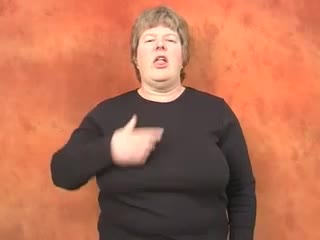
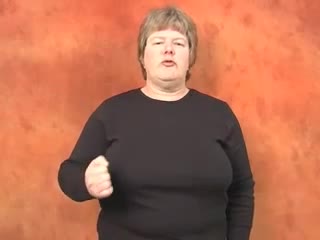
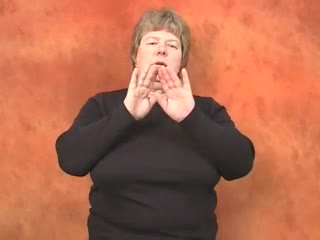
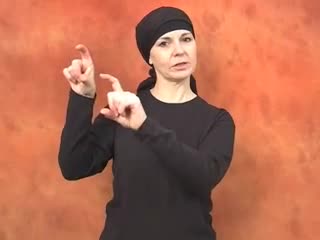
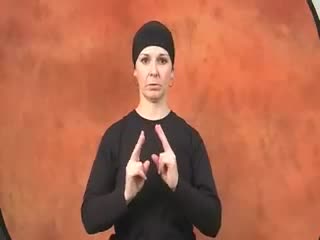
The BSL sign for light primarily refers to illumination – the kind that helps us see. Think of the glow from a lamp, the sun's rays, or the natural brightness of a clear day. It's a fundamental concept, and this sign beautifully captures the suddenness of light appearing or spreading.
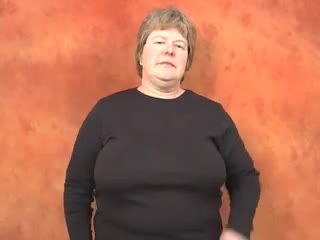
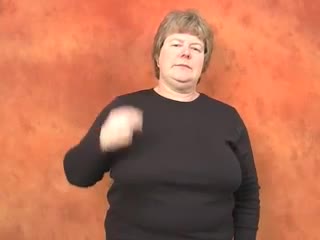
What makes this sign so impactful is its dynamic nature. It isn't a static shape; instead, it involves a swift, outward movement from your hand. This action mirrors the way light seems to emanate from a source, pushing back the darkness with its presence and making things visible.
It's important to remember this sign denotes the noun "light." We're talking about the phenomenon itself, the brightness that fills a space, not the action of turning something on or the quality of being lightweight. This distinction is key for clear communication in BSL, especially when you're describing an environment or an object's properties.
When This Sign Feels Natural
You'll find yourself using this sign quite naturally when talking about the presence or absence of illumination. Imagine you're describing a room that's either bright or dim, or pointing out a lamp that's providing warmth. It's perfect for statements like "The room needs more light" or "The sun gives us light."
This sign is excellent for everyday conversations, whether you're chatting with friends, describing a scene, or giving instructions. It fits well in both casual and slightly more formal contexts because it's so direct and universally understood. You don't need to worry about it being too informal or overly academic.
However, be mindful that while this sign means "light," it doesn't mean "turn on the light." For that, you'd typically sign something like SWITCH or ON followed by LIGHT or a specific object. Similarly, if you're talking about something being "light" in weight, there's a different BSL sign for that concept. Understanding these distinctions helps you convey your exact meaning without ambiguity.
What Learners Usually Miss
A common subtle point learners sometimes miss is the speed and sharpness of the movement. The sign isn't a gentle unfurling of the fingers; it's a quick, almost abrupt snap open from that initial G-hand shape to the spread 5-hand. This rapid expansion is what truly conveys the burst or spread of light, so practising that swift opening is crucial for authentic signing.
Another frequent area of confusion can arise if the location isn't precise. While the location is generally near the temple or side of the head, some learners might inadvertently move it too far forward, potentially blending with signs related to "thinking" or "understanding," or too far back. Keeping it clearly positioned near the side of the head, almost as if light is emanating from there or illuminating that area, helps maintain its distinct meaning.
Also, don't forget that your non-manual features often support the sign. While a neutral expression is fine, a slight widening of the eyes or a subtle brightening of your face can enhance the feeling of illumination. If you're talking about a bright light, a more pronounced expression of awareness or even a slight squint might naturally accompany the sign, adding depth and clarity to your communication.
A Simple Way to Remember It
To help this sign stick in your memory, think about how light behaves and how our bodies react to it. The movement itself is quite evocative, and connecting it to everyday experiences can make it unforgettable.
- The "Switch On" Feeling: Imagine your index finger (the G-hand) is like a tiny switch, and when you flick it open to the 5-hand, light suddenly bursts or switches on. It's that immediate spread of brightness.
- Light Emanating from the Temple: Picture light literally radiating outwards from the side of your head, like a thought or an idea suddenly becoming clear and illuminating. The location near the temple isn't just arbitrary; it suggests clarity or awareness.
- A "Flash" of Understanding: Connect the quick opening of your hand to a sudden flash or spark, much like a camera flash or when a brilliant idea "lights up" in your mind. The speed of the sign is key to this vivid imagery.
Short Practice Situations
- Imagine you're in a dark room and you're asking, "Where is the light switch?" You'd use the sign for light as the object you're seeking to illuminate the space.
- Describe a beautiful sunrise to a friend: "The first light of dawn was stunning." The sign beautifully conveys that emerging brightness.
- You're pointing out a good reading spot: "This chair gets lovely natural light in the afternoon." It highlights the quality and source of illumination.
- Perhaps you're discussing a painting: "The artist used light and shadow so well in this piece." The sign refers to the artistic element of illumination.
- You might use it to express a need: "I can't see properly; I need more light in here."
Signs to Learn Next
- DARK: This is the natural opposite of light. Learning it immediately after helps you describe environments and contrasts more effectively, giving you the vocabulary for both presence and absence of illumination.
- LAMP/LIGHT-BULB: Often, when we talk about light, we're referring to its source. Knowing signs for common light-emitting objects expands your vocabulary for everyday conversations, allowing you to specify where the light is coming from.
- SUN: The ultimate natural source of light. This sign often co-occurs with "light" when discussing outdoor conditions, daylight hours, or the weather, providing a fuller picture of natural illumination.
- BRIGHT: While "light" is the noun, "bright" describes the intensity of light. These two signs often go hand-in-hand to give a fuller picture of illumination, moving from the thing itself to its quality.
- IDEA/UNDERSTAND: Although distinct, these signs sometimes share a conceptual link or even a similar initial handshape/location for some variants. Being aware of these can help prevent confusion and highlight the unique aspects of each, particularly the "lightbulb moment" feeling of an idea.