What This Sign Means in BSL
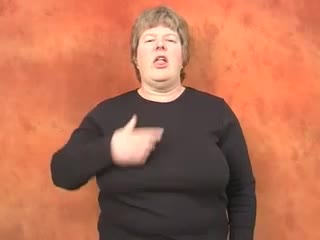
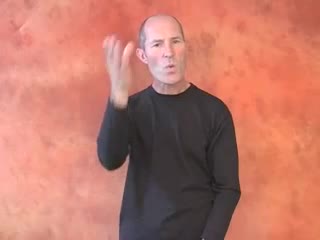
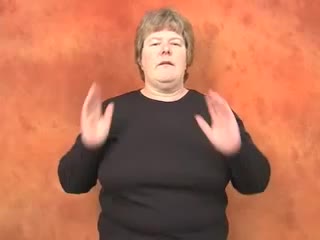
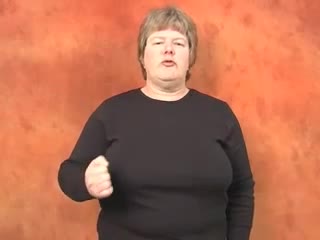
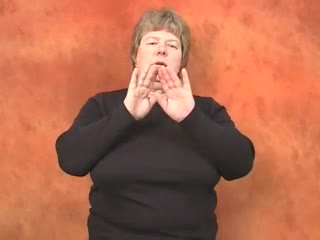
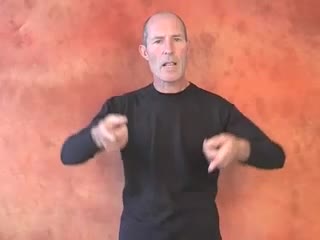
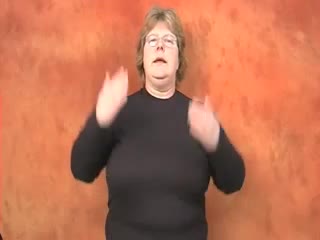
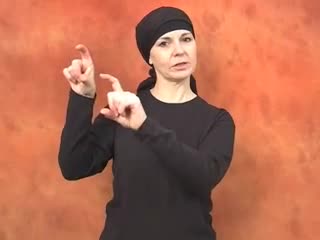
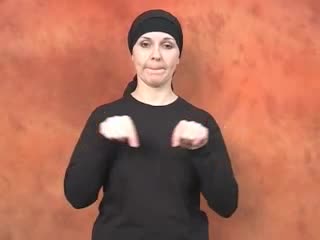
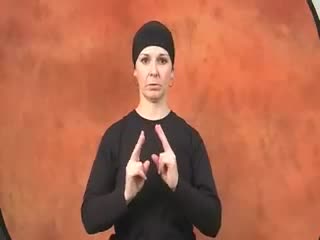
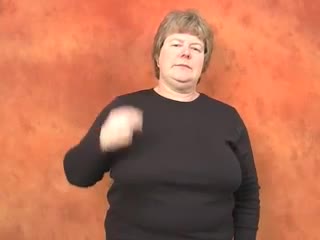
The BSL sign for afternoon is one of those wonderfully intuitive signs that just clicks. At its heart, it visually represents the journey of the sun across the sky after its peak, moving downwards towards the horizon. It's a fundamental time marker, clearly delineating the period of the day following midday, right up until evening truly begins.
This sign isn't just a label for a period of time; it carries a sense of ongoing activity, of the day unfolding. It's a calm, steady sign, reflecting the typically less frantic pace compared to the morning rush, yet still a time for work, appointments, and socialising. Its clarity makes it instantly understandable, a bedrock sign for everyday communication.
Understanding "afternoon" is crucial for setting temporal context in BSL. It allows you to place events, meetings, or plans within a specific part of the day, making your signed conversations precise and easy to follow. You'll find yourself using it constantly, whether you're arranging to meet a friend, talking about your daily routine, or simply wishing someone a pleasant remainder of their day.
When This Sign Feels Natural
You'll find the BSL sign for afternoon feels incredibly natural in nearly any daily conversation where you need to reference that specific time. Think about saying, "Good afternoon!" to someone you meet, or planning your schedule with a friend: "Shall we meet this afternoon?" It fits perfectly into casual chats, formal discussions, and everything in between.
This sign holds a neutral register, meaning it’s appropriate for all audiences and situations, from a quick chat with family to a professional meeting or an educational setting. There aren't really any informal or formal variations of the sign itself; its simplicity means it’s universally understood and accepted across the Deaf community in the UK.
While the sign for "afternoon" is incredibly versatile, remember that for very specific times within the afternoon, you'd typically combine it with numerical signs or more precise time indicators. For instance, if you mean "early afternoon" or "late afternoon," you might use an adverbial sign alongside it. However, the core "afternoon" sign will always provide that foundational temporal anchor.
What Learners Usually Miss
One of the most common things learners miss with the BSL sign for afternoon is the full, deliberate arc of the movement. It's not just a small flick of the wrist. The dominant hand, in its flat B-hand shape, really needs to start quite high – think near the non-dominant elbow or upper forearm – and sweep downwards and outwards, finishing around your waist or hip level. This generous, sweeping motion is key to conveying the full descent of the sun and the expanse of the afternoon.
Another subtle point often overlooked is the precision of the handshape throughout the movement. Your dominant hand should maintain that crisp, flat B-hand: fingers together and straight, thumb tucked neatly alongside. Sometimes learners relax the fingers, allowing them to splay, or the thumb might drift away. Keeping it consistently flat ensures clarity and distinguishes it from other signs that might use a slightly different "flat hand" variation.
Finally, the interplay with the non-dominant arm is important. Although it's not strictly part of the sign's movement, the non-dominant arm often acts as a visual baseline or "horizon" against which the dominant hand performs its arc. Some learners perform the sign too high, or too close to the body, losing that sense of the sun moving across a wider sky. Ensure your non-dominant arm provides a clear "stage" for the dominant hand's journey, helping to frame the full visual metaphor.
A Simple Way to Remember It
Imagine your non-dominant arm across your body as the horizon, and your dominant flat hand as the sun, having passed its highest point at midday. The sign for afternoon then becomes a clear, visual representation of the sun's journey as it begins its descent towards the horizon, sweeping downwards and outwards through the sky.
- The Setting Sun: Picture your flat hand as the sun, starting high in the sky (your non-dominant arm representing the midday zenith) and gracefully moving downwards and outwards, mimicking its arc towards the evening.
- "Past Midday" Sweep: It's like you're sweeping away the morning and formally marking the transition into the period that comes "after" the middle of the day.
- The Time Plane: Your flat hand isn't just a hand; it's a plane of time, smoothly gliding through the afternoon hours, marking a continuous segment of the day.
Short Practice Situations
- "Shall we meet for coffee this afternoon? I'm free from 2 PM onwards."
- "Every afternoon, I like to take a short walk to clear my head before dinner."
- "The BSL class runs Monday to Friday, specifically every afternoon, which works well for my schedule."
- "I hope you have a wonderful afternoon and manage to relax a bit after your busy morning."
- "I'll be finishing work early this afternoon, so I can pick up the children from school."
Signs to Learn Next
- MORNING: This is a natural progression, completing the other half of the day's start. Learning "morning" alongside "afternoon" helps solidify your understanding of basic daily time markers.
- EVENING / NIGHT: To fully articulate the flow of a day, you'll want to know how to sign "evening" or "night." These signs build upon the temporal concept introduced by "afternoon."
- TODAY: Once you can sign "afternoon," you'll often want to specify which afternoon. "Today" is a crucial sign that pairs perfectly, allowing you to say "this afternoon."
- MEET: Many activities, like meeting friends or colleagues, happen in the afternoon. Combining "afternoon" with "meet" forms a common and practical phrase.
- TIME (WHAT TIME?): After signing "afternoon," you might need to specify a more exact time within that period. Learning "what time?" or how to indicate specific hours will enhance your ability to communicate detailed plans.