What This Sign Means in BSL
The BSL sign for thirst is wonderfully direct, reflecting a fundamental human need. It’s a sign that speaks to a very specific physical sensation – that dryness or longing in your throat for something to drink. When you sign "thirst," you're not just conveying the word; you're echoing the bodily feeling, making it a highly visceral and relatable sign for both the signer and the viewer.
This sign is a noun, but its action-oriented movement gives it a dynamic quality. It’s concise, clear, and doesn't carry inherent emotional weight beyond the basic need. However, it provides a perfect canvas for your facial expression to add nuance. A slight furrow of the brow or a gentle pursing of the lips can transform a simple statement of "I am thirsty" into "I am really thirsty" or "I am uncomfortable with this thirst."
Understanding this sign means appreciating its connection to our most basic physiology. It's one of those foundational signs that you'll use regularly in everyday conversations, from asking a friend if they need a drink to describing how you felt after a long walk. Mastering its core form and subtle expressiveness will significantly enhance your ability to communicate about well-being and basic needs in BSL.
When This Sign Feels Natural
You’ll find the BSL sign for thirst feels most natural in any situation where you or someone else has a genuine need for hydration. Imagine yourself after a vigorous exercise session, having a casual chat with friends, or simply waking up in the morning – these are all perfect scenarios. It fits seamlessly into direct questions like, "Are you thirsty?" or personal statements such as, "I’m very thirsty, I need a drink." It’s inherently a casual and universally understood sign, making it appropriate across almost all social registers.
This sign is also incredibly useful when discussing past events or hypothetical situations. For instance, you might sign, "After the long journey, the travellers were all very thirsty," or "If you don't drink enough water, you’ll feel thirsty." Its straightforward nature means there’s rarely a need to seek out a more formal or informal alternative; the sign itself conveys exactly what it needs to. It's about clarity and directness in communication.
While "thirst" is about the basic need for a drink, consider if you mean something more specific. If you’re talking about a strong craving for a particular beverage, like tea or coffee, you might sign "WANT TEA" rather than just "THIRST." However, if the underlying sensation is a dry throat and a general need for liquid, "thirst" remains the go-to sign. It's about discerning the core message you want to convey: the physical state versus a specific desire.
What Learners Usually Miss
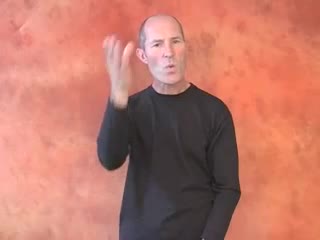
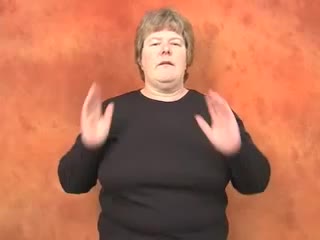
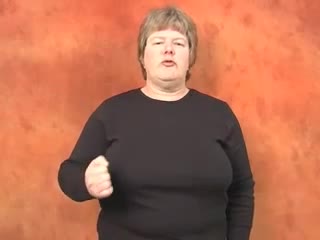
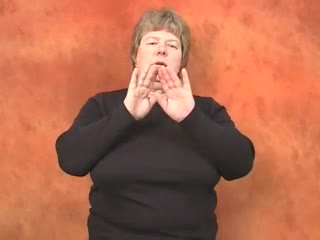
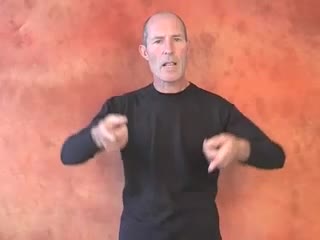
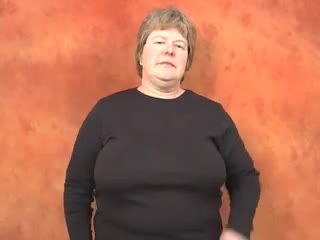
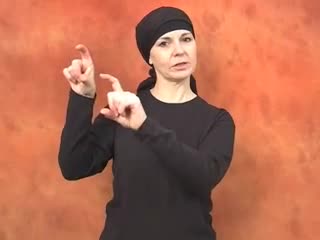
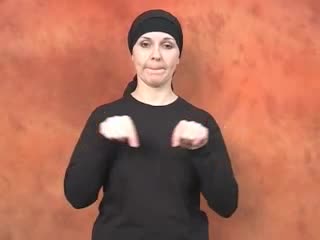
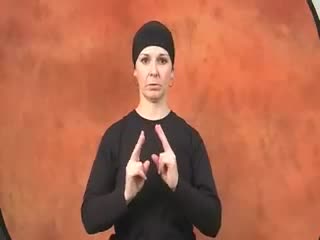
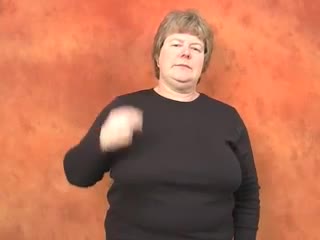
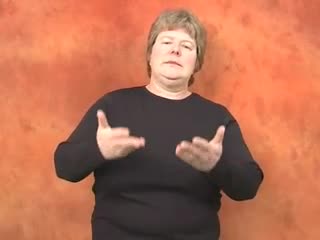
One common area where learners sometimes slightly miss the mark with the BSL sign for thirst is the exact location and movement. The sign isn't just a general sweep of the neck; it's quite specific. Your index finger should start just under the chin and drag downwards towards the upper chest, specifically tracing the path of the throat. Some learners might sign too high, merely touching the chin, or too low, ending up on the sternum. The sweet spot is truly feeling that downward drag along the front of the throat, mimicking the feeling of dryness or swallowing.
Another subtle point often overlooked is the precision of the handshape and the quality of the movement. Ensure your index finger is cleanly extended, with the other fingers neatly curled into the palm and the thumb resting gently on the middle finger. A loose handshape can make the sign less clear. The movement itself should be a controlled, smooth drag, not a quick flick or a tentative touch. Imagine the sensation of a dry throat and how you might instinctively try to soothe it – that’s the quality of movement you’re aiming for.
Finally, integrating a natural, congruent facial expression is vital. While "thirst" is a noun, expressing it without any facial input can make it appear flat or emotionless. A slight softening of the eyes, a subtle intake of breath, or even a tiny crease between the brows can add significant authenticity, especially when expressing your own feeling of thirst. It’s not about overacting, but about letting your face naturally reflect the body’s state, making your communication much more engaging and real.
A Simple Way to Remember It
To help the BSL sign for thirst stick in your memory, connect its physical form directly to the sensation it represents. Think about what happens when you’re parched – your throat feels dry, perhaps a little scratchy, and you long for a soothing drink. The sign literally traces this feeling and action on your body.
- Imagine your index finger is tracing the path of water flowing down your throat, or the feeling of dryness you want to alleviate there.
- Visualise the single, extended index finger as a focused pointer to the very area of your body that feels the most discomfort when you're thirsty – your throat.
- Connect the downward drag to the relief felt as a drink goes down, or the feeling of dryness that seems to extend deeper into your throat.
Short Practice Situations
- After gardening all morning, you might sign, "I’ve been working outside, now I’m really thirsty."
- If a friend looks a bit tired, you could ask, "Are you thirsty? I can grab us some water."
- Describing a hot day, you could say, "It was so sunny, everyone felt incredibly thirsty by lunchtime."
- Observing a child, you might sign, "The baby is stirring, I think she might be thirsty."
- When planning an outing, you can remind everyone, "Don't forget to bring water; we don’t want to get thirsty."
Signs to Learn Next
- DRINK: This is a natural follow-up, as thirst often leads to the action of drinking. Learning "DRINK" allows you to complete the thought: "I am thirsty, I want to drink."
- WATER: What is typically the most desired liquid when one is thirsty? Water. Pairing "thirst" with "WATER" is essential for basic requests and discussions about hydration.
- HUNGRY: Like thirst, hunger is a fundamental physiological need. These two signs often come up together in conversations about well-being, meals, and basic comforts.
- TIRED: Fatigue can sometimes be a symptom of dehydration, making "TIRED" a relevant sign to learn alongside "thirst" when discussing how one feels.
- WANT: If you're thirsty, you almost certainly want a drink. Combining "THIRST" with "WANT" strengthens your ability to express your needs clearly and directly.