What This Sign Means in BSL
The BSL sign for tired isn't just about physical exhaustion; it's a wonderfully versatile sign that can convey a spectrum of weariness. While its core meaning points to a lack of energy, with the right facial expression, it can stretch to mean mentally drained, weary from a situation, or even bored with something repetitive. It’s a foundational sign, one you'll use constantly in daily conversation, making it well worth mastering early in your BSL journey.
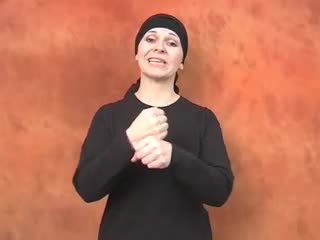
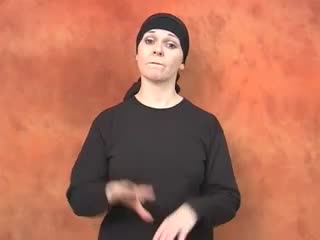
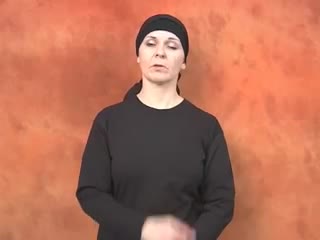
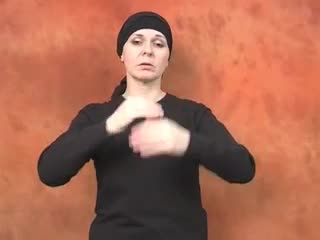
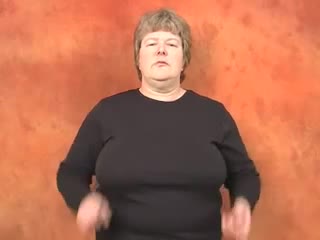
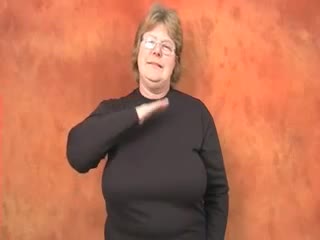
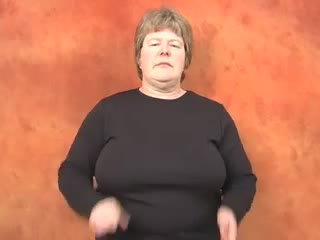
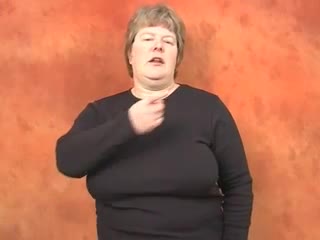
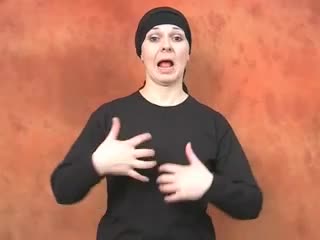
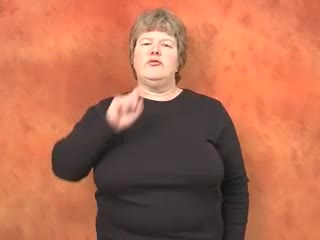
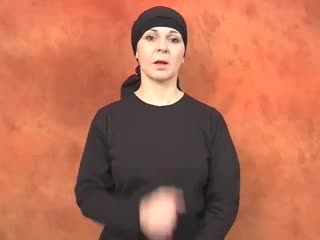
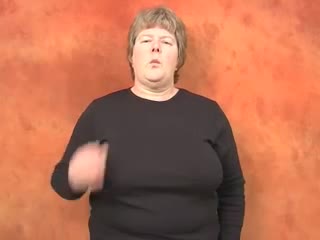
Visually, the sign for "tired" is beautifully iconic. Think of it as depicting energy draining away, or a body slumping under the weight of fatigue. The dominant hand, in a relaxed, somewhat flattened shape, starts high and then drops, its movement echoing a slow surrender to gravity. This isn't a rigid, forceful action; rather, it’s a gentle, almost resigned descent, perfectly capturing that feeling of "I just can't anymore."
What makes this sign particularly expressive is its connection to how we physically manifest tiredness. The downward motion and the relaxing hand show a visible lessening of tension and energy. It’s a sign that speaks volumes not just through its form, but also through the feeling it evokes, making it a powerful tool for self-expression and empathy in BSL.
When This Sign Feels Natural
You'll find yourself reaching for this sign in countless everyday situations. It feels most natural when you're talking about your own state, such as, "I'm feeling really tired today," or when you're observing someone else: "You look tired, did you sleep well?" It's the go-to sign for general weariness, whether it's from a long day at work, a late night, or simply feeling run down.
The sign fits well across most registers, from informal chats with friends to more neutral conversations. It’s universally understood within the BSL community and doesn't carry any strong formal or informal connotations by itself. However, remember that the context and your accompanying facial expression will always refine its meaning. A gentle, relaxed face might convey mild tiredness, while a furrowed brow and a slower, more deliberate drop could indicate profound exhaustion.
While "tired" is wonderfully adaptable, there are times you might opt for a more specific sign. If you mean "sleepy," a different sign focusing on the eyes or face might be more appropriate. If you're "bored" or "fed up," there are distinct signs for those feelings that offer more precision than just "tired." The BSL sign for tired is your baseline for general weariness, but BSL, like any rich language, offers a palette of signs for nuanced emotions.
What Learners Usually Miss
One of the most common oversights for new learners is underestimating the crucial role of facial expression. Signing "tired" with a neutral, blank face might convey the basic meaning, but it misses the emotional depth. Your face is an integral part of BSL grammar. A slightly slumped posture, a softening of the eyes, or a subtle frown can transform a simple "tired" into "absolutely exhausted" or "weary of this situation." Practice signing "tired" in a mirror, experimenting with different levels of facial expression to match the intensity of the feeling you want to convey.
Another subtle but important detail often overlooked is the quality of the movement and the relaxation of the wrist and fingers. The sign isn't a stiff, robotic drop. The dominant hand starts with some tension (representing energy), but as it descends, the wrist and fingers should visibly relax, almost flopping a little. This relaxation is key to conveying the sense of energy dissipating, of "giving up" to fatigue. Many beginners keep their hand too rigid throughout the movement. Focus on that final, soft 'give' in the wrist and fingers; it truly sells the sign.
Finally, learners sometimes overuse "tired" when a more specific sign might be better. While there's overlap, "tired" isn't always interchangeable with "sleepy" or "bored." If you're specifically indicating a desire to sleep, the sign for "sleep" is clearer. If you're expressing mental fatigue due to lack of interest, the sign for "bored" is more precise. Think of "tired" as the general state of reduced energy, and then consider if BSL offers a more exact term for the specific nuance you wish to express.
A Simple Way to Remember It
Imagine your energy levels at the start of the day, perhaps high up near your shoulder or chest. As the day progresses and you become "tired," that energy just drains away, slumping downwards. The sign perfectly mimics this feeling of your energy, or even your posture, giving in to gravity and feeling heavy.
- The Gravity Pull: Think of the hand dropping as your energy being pulled down by the sheer weight of fatigue. Your body feels heavy, and your hand shows that downward pull.
- The Slump: Visualise someone physically slumping when they're tired – shoulders dropping, posture relaxing. The hand's movement mirrors this overall bodily slump.
- Energy Draining: The hand starting somewhat 'full' (fingers slightly bent but together) and then relaxing as it drops down is like your energy reserve emptying out.
Short Practice Situations
- After working all day, I'm feeling incredibly tired and just want to put my feet up.
- Are you tired? You've had such a busy week, you must need a good rest.
- My child was so tired after playing in the park that they fell asleep almost instantly.
- Sometimes, even talking for a long time can make me feel mentally tired.
- I always feel tired if I don't get enough natural daylight during the winter months.
Signs to Learn Next
- Sleep: Often the direct consequence of being tired! Learning "sleep" allows you to express your need for rest or describe someone else's actions after feeling tired.
- Exhausted: This sign shows an intensified degree of tiredness, often with a stronger movement or facial expression. It helps you convey varying levels of fatigue.
- Bored: While "tired" can sometimes come from boredom, BSL has a distinct sign for "bored." Differentiating these helps you be more precise about the cause of your weariness.
- Work: A very common cause of tiredness! Being able to sign "work" and then "tired" creates natural, everyday sentences about your experiences.
- Rest: The solution to being tired! Learning "rest" allows you to offer comfort, ask for a break, or explain how you'll recover from your fatigue.