What This Sign Means in BSL
The BSL sign for lesson clearly communicates the concept of a structured period of instruction or learning. It's the noun form, specifically referring to the event or session where knowledge is imparted and received. Think of it as a defined block of time dedicated to a particular subject or skill. When you use this sign, you're pinpointing that specific educational experience, whether it’s formal or informal.
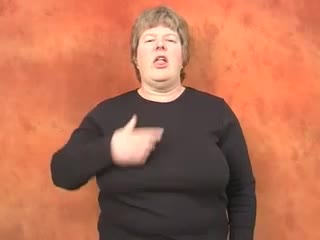
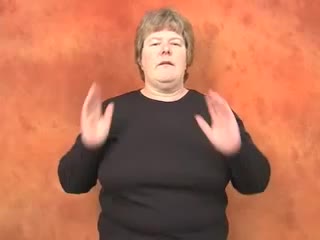
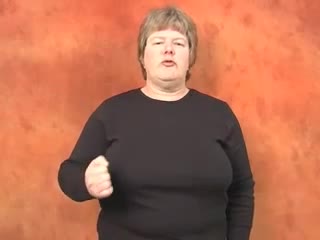
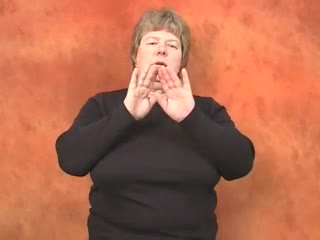
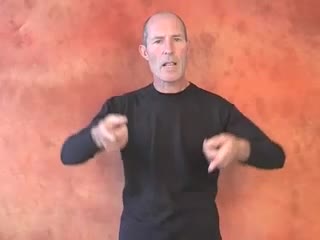
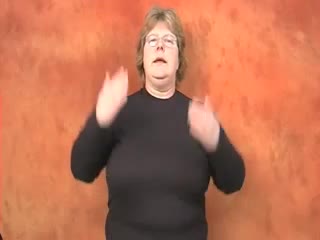
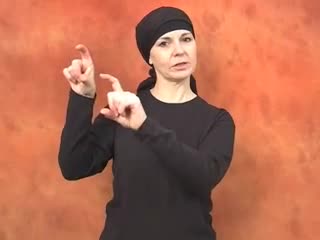
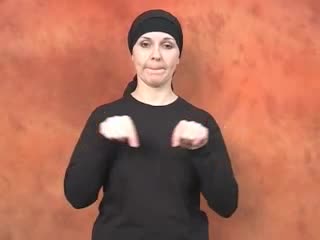
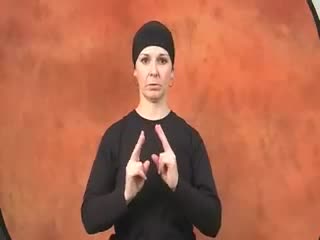
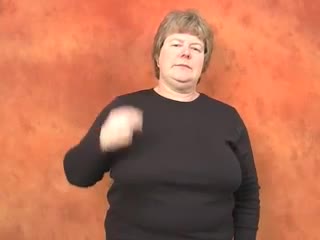
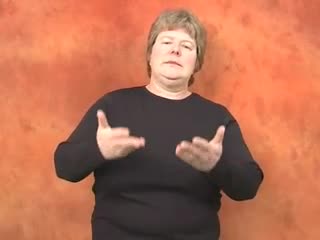
What’s particularly striking about this sign is its active, almost demonstrative quality. With both hands forming a 'G' handshape – an extended index finger and thumb alongside – the dominant index finger taps the non-dominant one, then moves slightly forward. This isn't a static sign; it has a clear direction and purpose. It effectively conveys the idea of information being conveyed, perhaps like a teacher 'pointing out' or 'delivering' key points during a teaching session.
This sign is a versatile one, fitting comfortably whether you're discussing formal education, like school or university lectures, or more informal learning opportunities, such as a private tutorial or an online workshop. It consistently represents a distinct period of learning, making it fundamental for anyone discussing educational schedules, content, or experiences in BSL. It's about the segment of time dedicated to specific teaching and learning.
When This Sign Feels Natural
You’ll find yourself reaching for this sign whenever you need to talk about a specific scheduled learning session. For instance, if you're planning your week and want to mention your upcoming BSL tutorial, this sign fits perfectly. It's natural to use it when referring to a class on a timetable: "I have a maths lesson at 10 AM," or "The driving lesson went really well today." It clearly marks out an individual, defined learning slot.
This sign works across various registers, from a casual chat with friends about school to a more formal discussion about curriculum planning. It’s neither overly formal nor too relaxed, making it a robust choice for most contexts. You might also use it when reflecting on past learning: "That history lesson really opened my eyes." It anchors the conversation around a distinct unit of learning experience, making it useful for both current schedules and past recollections.
However, it's worth noting when a different sign might be more appropriate. If you're talking about the act of learning generally, you'd likely use the sign for "learn" (the verb). Similarly, if you mean the process of studying, the sign for "study" would be more fitting. This sign for "lesson" specifically highlights the container or segment of learning – the specific teaching event – not the general activity itself or the group of people in a class.
What Learners Usually Miss
One common pitfall for new learners is confusing "lesson" (the noun) with "learn" (the verb) or "teach." While all are related, their signs are distinct. "Lesson" focuses on the structured event itself. Learners sometimes make the tapping motion too isolated, missing the subtle but important slight forward movement of the dominant hand. This forward motion isn't just decoration; it subtly suggests the progression of knowledge or the act of delivering information from one point (the teacher) to another (the learner or the next topic point).
The precision of the 'G' handshape is also crucial for clarity. Ensure your index finger is extended clearly, with the thumb alongside, not tucked in or extended in a way that might make it look like a '1' or 'D' handshape. The non-dominant hand should also maintain its 'G' shape steadily as the dominant hand interacts with it. A loose or incorrect handshape can make the sign less clear or even lead to misinterpretation, especially in faster, more fluid conversations.
Finally, pay attention to the rhythm and repetition. While the movement is often repeated, it's not always a rapid-fire series of taps. The rhythm can be deliberate, reflecting the measured pace of a lesson, or quicker if referring to multiple, short lessons. Avoid a stiff, robotic execution. Allow for a natural flow that mirrors the conversational context. And remember, while facial expressions are vital in BSL, for a standard "lesson," a neutral to mildly interested expression is typical, unless you're specifically conveying the type of lesson (e.g., "difficult lesson" might warrant a more furrowed brow).
A Simple Way to Remember It
To help this sign stick in your memory, try to visualise the components working together to represent the concept of instruction. It’s a very visual and active sign that lends itself well to mental connections about how learning progresses.
- The 'G' Handshape: Think of the extended index finger as a pointer, like a teacher pointing out key information during a lesson. Or, imagine the 'G' standing for 'Guidance' or 'Grasp' – the act of understanding new material being presented.
- The Tapping Movement: This can be seen as the repeated, focused delivery of information, step-by-step, or the way a teacher might tap on a blackboard or a desk to emphasize a key point. It signifies the direct imparting of knowledge, bit by bit.
- The Slight Forward Motion: This subtle movement powerfully conveys progression. A lesson moves you forward in your understanding, taking you from one point of knowledge to the next. It’s about advancing your learning and moving through the curriculum.
Short Practice Situations
- I have a BSL lesson every Tuesday evening, and I always look forward to it.
- The history lesson today was incredibly engaging; I learned so much about ancient civilisations.
- How many lessons do you have scheduled for your driving course next month?
- We definitely need to review everything from that last chemistry lesson before the exam.
- My favourite part of the school week is the drama lesson; it's always so creative and fun.
Signs to Learn Next
- LEARN: This is a crucial verb to pair with "lesson." You attend a lesson to learn new things. Understanding both helps differentiate between the event and the action of acquiring knowledge.
- TEACH: Someone typically teaches a lesson. Knowing the verb "teach" allows you to express who is delivering the instruction, completing the teaching-learning dynamic that defines a lesson.
- SCHOOL: Lessons are a fundamental part of the school experience. This sign provides the broader context for many lessons you might discuss, especially when talking about children's education.
- UNIVERSITY: Similar to school, university is another key setting where lessons, often called lectures or seminars, take place. It expands your educational vocabulary for higher learning contexts.
- STUDY: After a lesson, you often need to study the material to consolidate your understanding. Connecting "lesson" with "study" helps you talk about the full cycle of engaging with educational content.