What This Sign Means in BSL
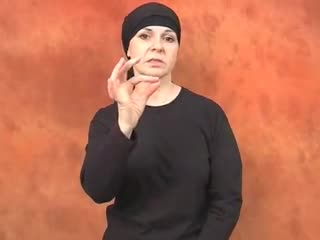
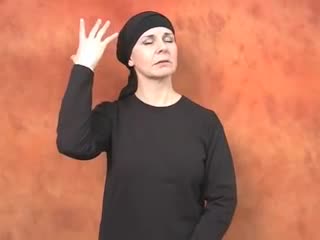
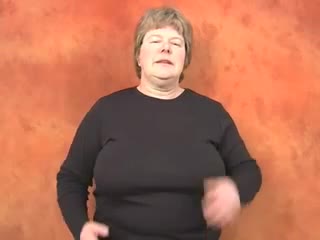
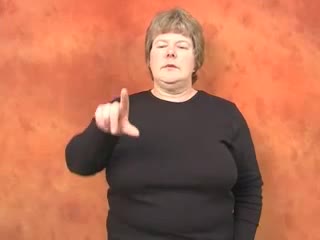
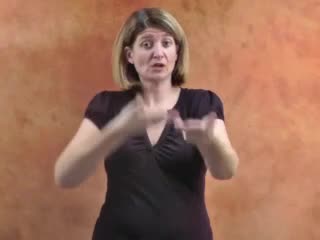
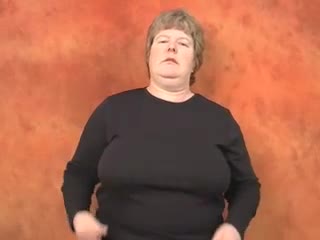
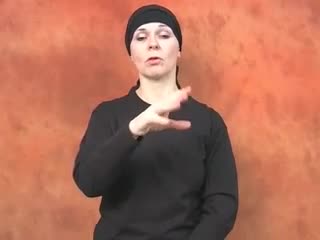
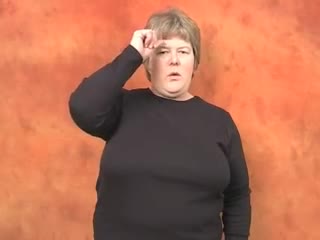
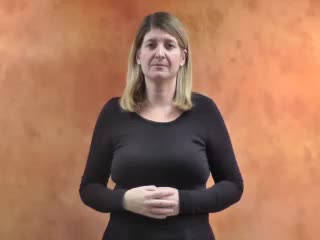
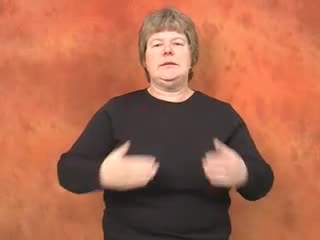
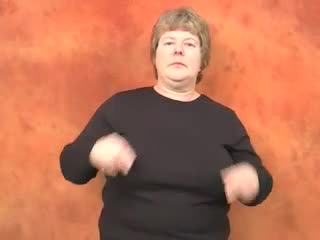
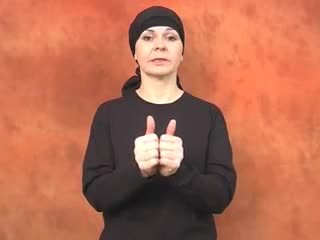
The BSL sign for learn is a beautifully intuitive verb, embodying the very act of acquiring knowledge or skill. Imagine your dominant hand, shaped like an open '5', representing an open mind or the act of grasping. This hand starts resting on your non-dominant hand, which lies flat, palm up, much like an open book, a tablet, or a surface where information is presented. The movement is key: your dominant hand then scoops upwards, drawing the 'information' from your non-dominant palm and bringing it directly to your temple or forehead, the seat of thought and memory.
At its heart, this sign isn't just about passive reception; it's an active gesture of taking in, absorbing, and internalising new understanding. It captures the journey from not knowing to knowing, from unawareness to comprehension. When you use this sign, you're conveying a sense of progress, growth, and the intentional effort to gain new abilities or facts. It’s a core sign in BSL, foundational for discussing education, personal development, and the ongoing human experience of discovery.
It’s worth noticing how the sign’s form mirrors its function so directly. The open hand receiving, the movement inward and upward to the head-it's a physical representation of knowledge transfer into the mind. This makes it a very concrete and visually strong sign, helping to make abstract concepts of learning tangible within BSL conversation.
When This Sign Feels Natural
You'll find the sign for 'learn' feels completely natural in a wide array of everyday situations. It’s perfect when you're talking about formal education, like "I'm learning BSL at college" or "The children are learning maths." But it's equally at home in more casual contexts: "I'm learning to play the guitar," "She's learning how to bake sourdough," or "We're learning about different cultures." It’s versatile enough to cover acquiring academic knowledge, practical skills, or even life lessons.
This sign is the go-to when the focus is on the process of gaining understanding or skill. If you want to express that someone is in the midst of acquiring something new, this sign fits perfectly. It’s appropriate for any audience, from close friends to more formal settings, as its meaning is clear and universally understood. You can also use it to express a desire: "I want to learn more about that."
However, it’s useful to remember when you might choose a different sign. If you’re talking about repeated effort to improve a skill, you might consider 'PRACTISE'. If the emphasis is on a deep, academic pursuit of knowledge, 'STUDY' might be more specific. And if you’re describing the result of learning, the state of having knowledge, then 'KNOW' would be the appropriate choice. Understanding these nuances helps you choose the most precise sign for your message.
What Learners Usually Miss
One of the most common oversights for new learners is the precise handshapes and their orientation. Your dominant hand needs to be a clear '5' handshape-all fingers spread and slightly curved, palm facing towards you as you scoop. The non-dominant hand should be a flat 'B' handshape, completely open and flat, with the palm facing upwards. Sometimes learners might relax these handshapes too much, making them unclear, or they might accidentally swap the palm orientations, which changes the meaning or makes the sign look awkward and incorrect.
Another subtle but crucial element is the movement path and contact points. The dominant hand doesn't just hover; it makes initial contact with the non-dominant palm, then moves deliberately and smoothly upwards to make contact with your temple or forehead. It’s a distinct, single movement, not a series of taps. Missing the initial contact or ending with the hand in the wrong location can make the sign less impactful and harder to read. The 'scooping' motion is vital; it’s not a straight line, but rather a slight arc that draws the 'information' upwards and inwards.
Finally, learners sometimes overlook the importance of consistency in direction and rhythm. The sign for 'learn' typically moves from the non-dominant hand towards the head. Reversing this direction, even accidentally, transforms the sign into 'TEACH'. Pay close attention to this distinction. While facial expression for 'learn' is often neutral, it can subtly convey focus or excitement, depending on what is being learned. Avoid using an overly strong or exaggerated facial expression unless the context specifically calls for it, as this can sometimes distract from the sign itself.
A Simple Way to Remember It
Think of the sign for 'learn' as literally taking information from a source and placing it into your mind. Your non-dominant hand is like an open book or screen, holding the new facts. Your dominant hand is scooping up that knowledge and bringing it home to your brain.
- The "Book" Hand: Your non-dominant hand (flat 'B', palm up) serves as the open source of knowledge, like a book, tablet, or even just the concept of information being presented.
- The "Scoop" Motion: Your dominant '5' hand isn't just touching; it's actively scooping or gathering the information upwards, symbolising the act of acquiring it.
- The "Brain" Destination: The final contact point at your temple or forehead clearly indicates where that new knowledge is being stored and processed-your mind.
Short Practice Situations
- I'm really keen to learn how to cook traditional British dishes; my grandmother taught me a few, but I want to expand my skills.
- Are you still learning to drive? I remember you started lessons a few months ago, and I hope it's going well for you.
- It's fascinating to learn about the history of BSL; every sign has such a rich story behind it, revealing so much about the Deaf community.
- My younger sister is learning to read at school, and she brings home new books almost every day to share her progress.
- I believe we should always be open to learning new things, no matter our age or experience, as it keeps life interesting and helps us grow.
Signs to Learn Next
- TEACH: This is the conceptual opposite of 'learn'. Where 'learn' brings information into your head, 'teach' takes information from your head and places it onto the non-dominant hand, passing knowledge to someone else. Practising them together helps solidify both.
- STUDY: While related, 'study' often implies a more intense, sustained, or academic focus on learning. It usually involves repetitive action or a deep dive into a subject, complementing 'learn' by describing the method of learning.
- KNOW: 'Know' signifies the state of having acquired information or a skill. It's the destination after the journey of 'learn'. Understanding 'know' helps distinguish between the process of learning and the state of having learned.
- PRACTISE: This sign describes the repeated action taken to improve a skill or reinforce learning. You 'learn' a new skill, then you 'practise' it to get better. They naturally go hand-in-hand in many contexts.
- UNDERSTAND: This sign signifies comprehension and internalisation of what has been learned. You might 'learn' a concept, and then through that process, you 'understand' it. It’s often the goal or outcome of effective learning.