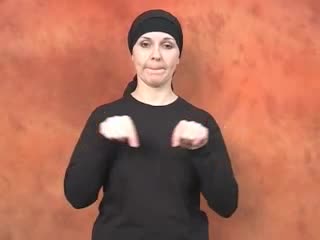
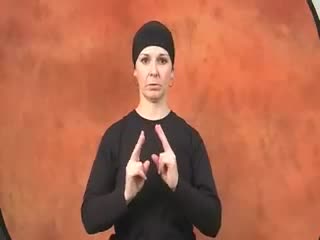
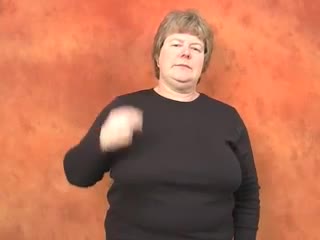
What This Sign Means in BSL
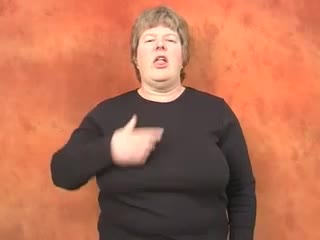
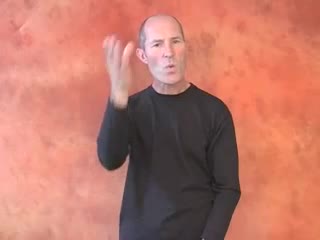
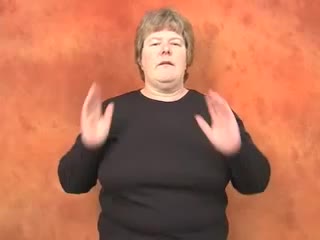
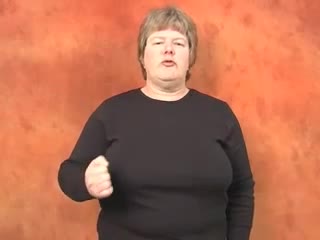
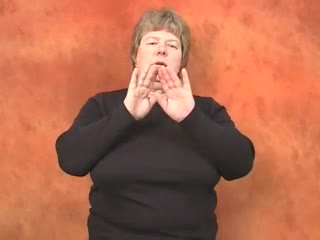
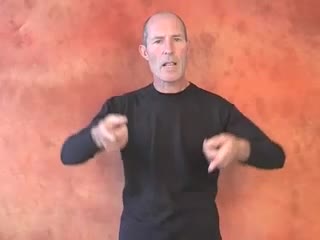
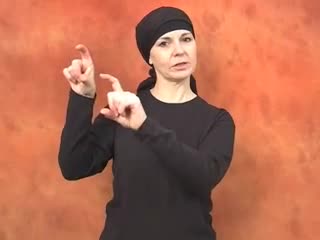
The BSL sign for construction crane is wonderfully descriptive, painting a clear picture of this colossal piece of machinery right in front of you. It's a noun sign that directly mimics the most distinctive feature of a crane: its long, powerful arm and stable base. When you see this sign, you immediately understand its function – lifting heavy objects with precision and reach.
This sign is a great example of BSL's visual-spatial nature. It doesn't just represent the word; it embodies the crane's form and action. You're not just signing about a crane; you're momentarily presenting a miniature version of one in your signing space, making it highly intuitive and easy to grasp for both the signer and the viewer.
You'll find this sign used whenever a construction crane is being discussed, whether it's a specific one you can see, or a general reference to construction work happening in an area. Its directness means there's no ambiguity; everyone understands exactly what machine you're referring to.
When This Sign Feels Natural
This sign feels most natural when you're specifically talking about the large, industrial cranes used on building sites. Imagine you're walking past a new development and want to comment on the machinery; this is precisely the sign you'd use. It's perfect for pointing out a visible crane, discussing construction projects, or even talking about jobs related to heavy lifting and building.
Because it's so specific and visually iconic, it's generally used in its literal sense. You wouldn't typically use this sign metaphorically, for instance, to describe someone "craning their neck." The sign's meaning is tied very firmly to the physical object. Its register is straightforward and practical, fitting into everyday conversation about the urban environment or specific industries.
You might use this sign when describing a news report about a new skyscraper, explaining your job if you work in construction, or simply pointing out interesting sights to a child. There isn't really a common alternative BSL sign for this specific piece of equipment, so you can be confident that this is the go-to sign when you mean a large, construction-specific lifting apparatus.
What Learners Usually Miss
One common mistake learners make with the BSL sign for construction crane is not fully capturing the dynamic interaction between the two hands. The non-dominant flat B-hand isn't just a static placeholder; it needs to be held firmly and steadily, acting as the unmoving, solid base of the crane. Learners sometimes let this hand droop or move slightly, which detracts from the sense of stability and power that a real crane possesses.
Another subtle point often missed is the precise movement and perspective of the dominant G-hand. While it extends forward and sweeps, it's crucial to ensure this movement feels controlled and deliberate, mimicking the slow, powerful arc of a crane's arm. Some learners might make the movement too fast, too small, or too jerky. Remember, a crane's arm moves with immense strength but also measured precision. The sweep should reflect this, showing the arm's capacity to reach up, down, or across a wide area.
Finally, ensure the G-hand truly represents the arm and hook, not just a generic finger. The fingers should be held together and slightly curved, embodying the solid structure of the arm. It's not just a pointer; it's the working end of the crane. Practising in front of a mirror can help you refine these details, ensuring your sign clearly depicts the robust and functional nature of a construction crane.
A Simple Way to Remember It
Remembering the sign for construction crane is made easier by its visual iconic nature. Think of your hands as building a mini-crane: the flat non-dominant hand is the stable ground or foundation, and the dominant G-hand is the strong, extending arm. The movement then becomes the crane arm doing its job, reaching and sweeping. It's a direct representation that helps solidify the memory.
- G-hand for Gantry or Grab: Visualise your dominant G-hand forming the sturdy gantry arm or the grab mechanism at the end of the crane, ready to lift.
- Flat B-hand for Base or Bottom: Your non-dominant flat B-hand represents the unmoving, solid base of the crane, firmly planted on the ground.
- Movement Mimics Motion: The dominant hand's extending and sweeping motion directly imitates the crane's arm reaching out and moving heavy loads, making the sign come alive.
Short Practice Situations
- Look, they're using a huge construction crane to put the roof on that new building!
- The workers are waiting for the construction crane to lift the steel beams into place.
- My cousin operates a construction crane, it's a very skilled job.
- Be careful when you walk near the site, there's a construction crane actively working.
- The skyline is constantly changing with all the new construction cranes appearing.
Signs to Learn Next
- BUILD / CONSTRUCT: This is a natural progression, as construction cranes are fundamental to the process of building large structures. You'll often use these signs together to talk about development.
- SITE / AREA: Cranes are typically found on construction sites. Learning this sign will help you specify where the crane is located or where the work is happening.
- WORK / JOB: Understanding this sign allows you to discuss the people who operate construction cranes or the general industry they belong to.
- MACHINE / ENGINE: A construction crane is a type of machine, so learning this broader category sign helps place it within the context of other mechanical equipment.
- HIGH / TALL: Cranes are often incredibly tall, reaching significant heights. This sign will be useful for describing the impressive scale of these powerful structures.