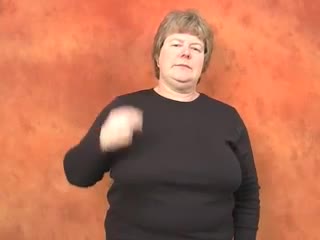
What This Sign Means in BSL
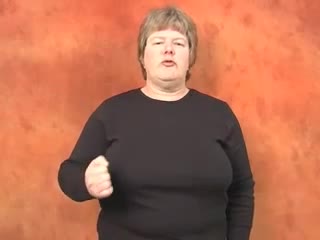
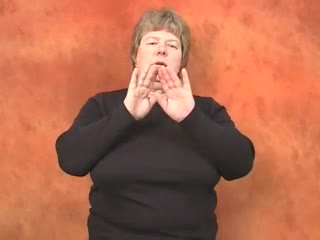
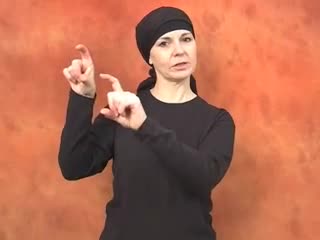
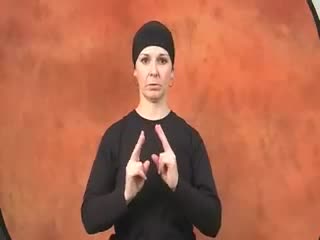
The BSL sign for wire brush is remarkably visual, directly mirroring the action of using this specific tool. It’s a functional sign that clearly conveys the purpose and nature of a wire brush: a robust tool designed for vigorous scrubbing and removal of stubborn materials. When you see this sign, you’re not just seeing a word, you’re seeing the very act of a wire brush in use, making it incredibly intuitive for both signers and those new to BSL.
What makes this sign particularly effective is its immediate clarity. The dominant hand, formed into an S-hand (a fist), acts as the handle of the brush, while the non-dominant B-hand (a flat palm) represents the surface being scrubbed or the bristles themselves. The vigorous back-and-forth movement isn't just a gentle sweep; it embodies the abrasive, hard-working nature of a wire brush, suggesting the effort required to clean rust, loose paint, or grime.
This sign stands out because of its specificity. Unlike more general "brush" signs, the handshapes and movement here leave no doubt that we're talking about a wire brush-a tool known for its tough bristles and demanding tasks. It's a pragmatic and direct sign, reflective of the straightforward purpose of the tool itself, and it effectively communicates its identity within practical contexts.
When This Sign Feels Natural
You'll find the BSL sign for wire brush feels most natural in practical, hands-on conversations, especially when discussing DIY projects, maintenance, gardening, or workshop activities. Imagine you're explaining how to prepare a surface for painting, or describing the tools you use for cleaning old metalwork; this sign steps in perfectly. It’s concise and leaves no room for ambiguity, making it ideal for clear communication amongst fellow enthusiasts or when giving instructions.
The register for this sign is generally informal to semi-formal, fitting comfortably into everyday discussions. It's the kind of sign you'd use with a friend who’s helping you renovate, or when explaining a task to a colleague at work. Because it's so visually descriptive, it often replaces the need for lengthy explanations or fingerspelling, allowing the conversation to flow more naturally and efficiently when the specific tool is important to the context.
While you could describe a wire brush or fingerspell it, using the established sign adds fluency and authenticity to your BSL. It's particularly useful when the distinction between a soft brush, a paint roller, and a wire brush is crucial. If the exact tool matters to the meaning of your sentence, using this specific sign is always the strongest and most natural choice, avoiding any potential misunderstandings about the type of abrasive action intended.
What Learners Usually Miss
One common oversight for learners is the intensity of the movement. The sign isn't just a gentle rub; it requires a truly vigorous back-and-forth motion. Think about the effort needed to scrub stubborn rust or paint with a wire brush – that's the energy you need to convey. A weak or slow movement might make it look like a softer brush or a less effective cleaning action, so really lean into that forceful, repeated scrubbing motion to capture the essence of the tool.
Another subtle point often missed is the precise handshape of the dominant hand. It should be a firm S-hand, a closed fist, representing the solid handle of the brush. Sometimes learners might relax this into a loose fist or an O-hand, which can dilute the meaning or confuse it with other signs. Maintaining that strong S-hand ensures you’re clearly showing the grip on a sturdy tool, while the non-dominant B-hand remains flat and stable, acting as the surface being worked on.
Finally, the location and direction of the rub are important. The dominant S-hand should rub distinctly on the palm of the non-dominant B-hand. Some learners might let their dominant hand drift too far up the arm or make the rubbing motion less directed. Keep the action focused on the non-dominant palm, as if you're really working a surface, and ensure the back-and-forth is purposeful, not just random wiggling. This precision in location and direction is key to clear articulation.
A Simple Way to Remember It
Remembering the BSL sign for wire brush becomes easy when you connect it directly to the tool's function and feel. Imagine yourself using the actual wire brush, and the sign will naturally follow. It’s a highly iconic sign that visually demonstrates its purpose.
- The Grip: Picture your dominant hand as firmly gripping the handle of a wire brush. That’s your S-hand (fist), solid and ready for work.
- The Scrub: Envision the wire bristles aggressively scrubbing a flat surface. Your non-dominant hand, a flat B-hand (palm), is that surface, and the vigorous back-and-forth motion is the scrubbing action.
- The Purpose: Connect the intensity of the rubbing to the tough jobs a wire brush handles – removing rust, paint, or grime. The sign embodies this hard-working, abrasive purpose.
Short Practice Situations
- I need a wire brush to clean the old barbecue grill before we use it this summer.
- Before you apply the new coat of paint, please use the wire brush to remove all the loose flakes.
- My grandad showed me how to use a wire brush safely to prepare metal surfaces in his workshop.
- We spent the afternoon using a wire brush to get rid of the moss growing on the patio stones.
- Remember to wear thick gloves when you’re using a wire brush; those bristles can be sharp!
Signs to Learn Next
- BRUSH (general): Learning the more general sign for "brush" will help you understand the distinction and specificity of the "wire brush" sign. How do the handshapes and movements differ to convey a softer, wider sweep?
- CLEAN: Since a primary use of a wire brush is cleaning, learning the sign for "clean" will naturally broaden your vocabulary for practical tasks and household chores.
- RUST: Wire brushes are frequently used to remove rust. Knowing the sign for "rust" will allow you to explain the reason for using a wire brush more fully in a sentence.
- TOOL/EQUIPMENT: As a wire brush is a specific type of tool, understanding the more general sign for "tool" or "equipment" helps categorize it and builds a foundational vocabulary for workshop or DIY contexts.
- PAINT: Often, preparing a surface with a wire brush is the precursor to painting. Learning the sign for "paint" will allow you to construct complete narratives around surface preparation and finishing.