What This Sign Means in BSL
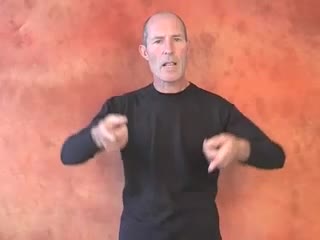
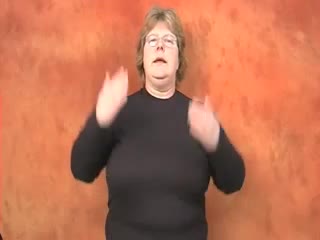
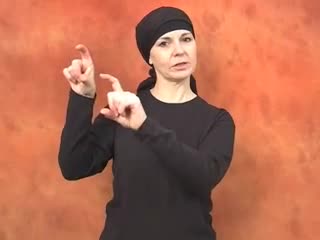
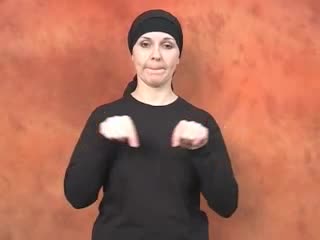
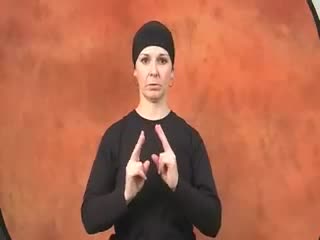
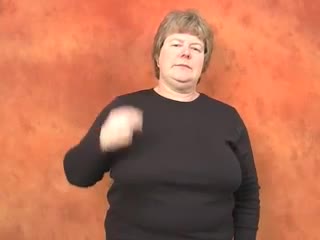
The BSL sign for sport is wonderfully direct, embodying the energetic and often repetitive nature of physical activities. It uses both hands, formed into strong S-handshapes – that's a closed fist with your thumb resting purposefully over your fingers. This firm handshape immediately conveys a sense of readiness and physical engagement, much like gripping equipment or preparing for action. When you execute the sign, these fists meet at the wrists, tapping together repeatedly at about mid-chest to stomach level. This repeated, rhythmic contact subtly suggests the ongoing motion, the back-and-forth, or the continuous effort involved in many sports.
What makes this sign particularly effective is its simplicity and clarity. There’s little room for misinterpretation; it clearly denotes the general concept of "sport" or "sports" as a category of activities. You'll find it’s a foundational sign, essential for discussing anything from professional athletic events to casual play in the park. It’s a sign that speaks to collective experiences of competition, exercise, and leisure, instantly understood within the Deaf community across the UK.
This isn't a sign that carries heavy emotional weight on its own; it's more descriptive and categorical. However, its context will often fill in the emotional blanks. If you're discussing a thrilling match, your facial expression and body language will naturally convey excitement, even if the sign itself remains neutral. It’s a versatile building block, ready to be imbued with the specific energy of your conversation.
When This Sign Feels Natural
You’ll find yourself reaching for the BSL sign for sport in a wide array of everyday conversations. It feels most natural when you're referring to the general concept of sports, rather than a specific game. For instance, if you’re asking someone, “Do you like sport?” or commenting, “There’s a lot of sport on TV this weekend,” this sign is your go-to. It’s perfect for broad statements about physical activity and competition, covering everything from football and rugby to athletics and swimming, without needing to list each one.
This sign is highly adaptable across different registers. Whether you're having a casual chat with friends about your weekend activities or participating in a more formal discussion about national sports policy, it fits seamlessly. Its directness means you don't need to worry about it being too informal or too stiff; it simply conveys its meaning clearly and effectively. It’s also incredibly useful when you’re talking about sports in a collective sense, such as "children playing sports" or "the benefits of sport for health."
However, it’s important to remember that while "sport" is broad, it isn't always the most precise sign. If you want to talk about "a game" you played, the sign for GAME might be more appropriate. Similarly, if your focus is purely on physical activity for health, EXERCISE could be a better choice. The beauty of BSL is having these nuanced options, so think about the exact aspect you want to emphasise before you sign. Use "sport" when you mean the overarching category or the general pursuit.
What Learners Usually Miss
One common area where learners can subtly miss the mark with the BSL sign for sport is in the consistency and rhythm of the movement. It’s not just a single tap; it’s a repeated tapping of the wrists together. Beginners sometimes perform a single, sharp tap and then stop, or they might make the taps too soft and hesitant. The sign requires a clear, consistent rhythm, often two or three distinct taps, to convey the continuous nature of sporting activities. Practise making these taps firm but relaxed, reflecting the flow of movement you'd see in many sports.
Another frequent oversight involves the exact handshape and location. The S-handshape needs to be precise: a closed fist with the thumb resting over the fingers, not tucked inside or sticking straight up. This specific thumb placement contributes to the solid, ready feel of the sign. Also, ensure the tapping happens at the correct mid-chest to stomach level. Some learners tend to sign it too high, near the throat, or too low, near the lap. Keeping it within that central body area ensures clarity and avoids blending it with other signs that might use similar handshapes but different locations.
Finally, learners occasionally overuse "sport" when a more specific sign might enhance their message. While "sport" is versatile, sometimes the context demands a specific sport (like FOOTBALL or TENNIS) or a related concept like PLAY or GAME. If you're discussing the act of participating for fun, PLAY might be more fitting. If you're talking about a specific event with rules, GAME could be better. The correction here isn't about avoiding "sport," but rather about recognising when other signs offer greater precision or nuance to your BSL conversation.
A Simple Way to Remember It
To help this sign stick in your memory, think about the core elements of sport itself and how they're reflected in the sign's form. The strong S-handshapes can remind you of the strength and stamina often required in sports, or perhaps the initial letter 'S' for 'Sport'. The repeated tapping of the wrists together at your core can be visualised as the rhythmic motion of many sports, like running, jumping, or the back-and-forth of a game, all centred around your body's power. It’s like two competitors gently but firmly engaging, ready for action.
- The S-handshape: Think "S" for Sport or "Strong" for the physical nature of sports.
- The repeated wrist tapping: Imagine the continuous action or the friendly clash of competition in sports.
- The mid-chest location: Connects to your body's core, the centre of your athletic power and enthusiasm.
Short Practice Situations
- Do you enjoy watching much sport on television?
- My favourite sport is rugby, what about yours?
- The children love playing different sports every weekend at the park.
- It's important for everyone to get involved in some kind of sport for their health.
- The local community centre offers a wide variety of sports classes.
Signs to Learn Next
- PLAY: Often used in conjunction with "sport" when discussing engaging in an activity for enjoyment, like "playing sport."
- GAME: While related, "game" usually refers to a specific organised event with rules, whereas "sport" is the broader category. Learning both helps you distinguish between them.
- TEAM: Many sports involve teams, so learning this sign naturally follows for discussions about group activities and competition.
- COMPETITION / COMPETE: A fundamental aspect of most sports, understanding how to sign "competition" will enrich your conversations about sport outcomes and events.
- EXERCISE: While sport often involves exercise, the sign for "exercise" focuses more purely on physical activity for fitness, offering a slightly different emphasis.