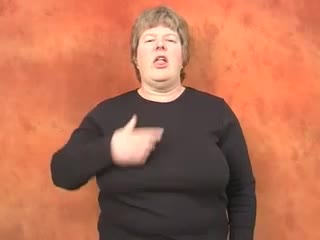
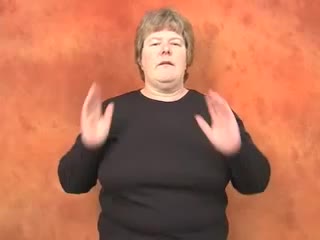
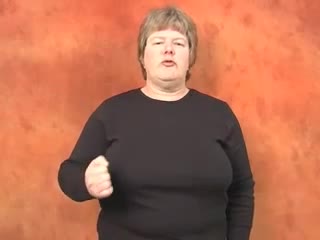
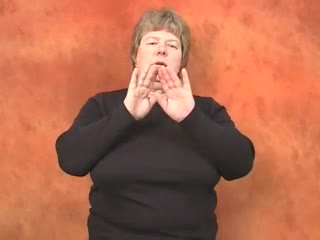
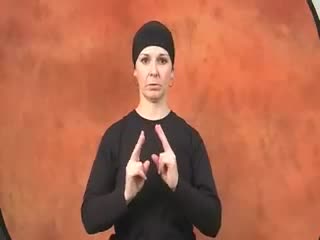
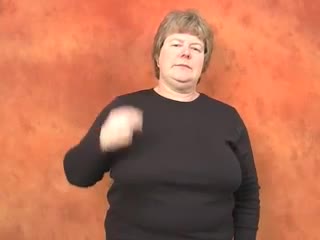
What This Sign Means in BSL
The BSL sign for toilet is a foundational sign, one of the first many learners pick up due to its practical, everyday utility. It's a direct and unambiguous way to refer to the facility itself, or to express a personal need to use it. When you see someone make this sign, they're communicating a very clear message, often with a sense of immediate relevance.
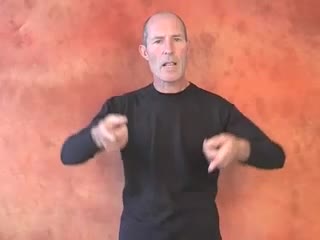
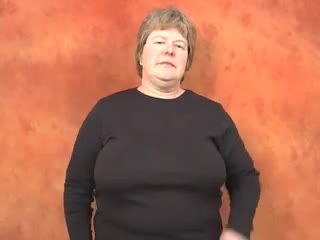
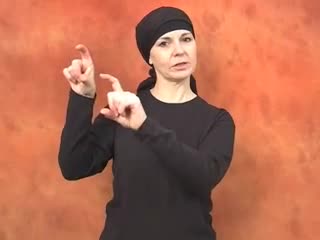
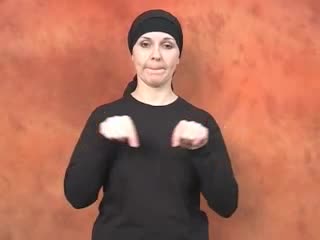
What makes this sign particularly noticeable is its specific handshape and movement. The dominant hand forms a clear 'T', then performs a subtle, repeated wiggle. This combination is highly effective, ensuring clarity across various contexts. It's a sign that doesn't rely heavily on surrounding context to be understood, making it incredibly valuable in quick exchanges.
The tone of the sign itself is generally neutral, becoming more urgent or relaxed based on your accompanying facial expression and body language. It's not inherently polite or impolite; its social register is largely determined by how you present it. Mastering this sign means you're equipped for a common and essential communication need in the BSL-speaking world.
When This Sign Feels Natural
This sign feels most natural in any situation where you'd refer to a toilet in spoken English. Imagine you've just arrived at a friend's house and need to ask where it is – this is the perfect sign. You'd combine it with the BSL sign for "where" to form a complete question. Similarly, if you're out and about and need to excuse yourself, signing "I need toilet" is entirely appropriate and easily understood.
It's also the sign you'd use when giving directions to someone, perhaps pointing the way after signing "toilet". Because it's a standard noun sign, it fits seamlessly into a wide range of sentences and conversational flows. There aren't many situations where this direct sign would be considered overly blunt or informal in BSL; it's simply the most common and accepted way to convey the concept.
While BSL has ways to express "bathroom" or "washroom" more broadly (often by combining signs like "wash" and "room"), the sign for toilet specifically refers to the WC itself. You'd stick with this particular sign when the specific facility is what you mean, rather than the general concept of a room for washing. It's precise and effective, ensuring there's no confusion about your meaning.
What Learners Usually Miss
One common slip-up for new learners is the precision of the 'T' handshape. It's easy to let the thumb drift away or the index finger curl slightly, making it look more like an 'I' or a 'J'. Remember, for the BSL sign for toilet, your dominant hand should have the index finger extended straight up, and your thumb should be placed across its nail, forming a very clear 'T'. Practice in front of a mirror to ensure that distinct shape is always there.
Another subtlety often missed is the quality of the 'wiggling' movement. It's not a stiff, aggressive shake, nor is it a massive, sweeping gesture. Instead, it's a relatively small, relaxed, repeated wiggle from the wrist, primarily involving the extended index finger. Think of it as a gentle, almost impatient tremor rather than a full shake. Over-exaggerating the movement can make the sign look forced or even change its meaning, so aim for that subtle, natural looseness.
Finally, while the sign is located on the dominant shoulder or upper chest, some learners place it too high near the ear, or too low on the stomach. Keeping it within that upper chest to shoulder area is key for clarity and natural flow. The movement should occur at that location, not travel significantly across the body. Focus on anchoring the sign's action firmly in its correct place.
A Simple Way to Remember It
To help this sign stick in your memory, break it down into its core components and link them to something familiar. The most prominent feature is the handshape, which looks just like the letter 'T' – an excellent mnemonic for the word "Toilet".
- T for Toilet: The handshape is a perfect visual match for the first letter of the word "Toilet". Make that 'T' sharp and clear!
- Wiggle of Urgency: The repeated wiggling movement can be imagined as a subtle expression of urgency or a gentle 'I need to go' feeling, or even a visual echo of a flush handle.
- Proximate Purpose: Placing it near your dominant shoulder or upper chest can be linked to a personal need, often indicated by a slight shift of the body or a hand near oneself when feeling the urge to use the facilities.
Short Practice Situations
- You're at a café and need to ask the staff where the facilities are. You sign: "WHERE TOILET?"
- You're having a conversation with a friend and need to excuse yourself briefly. You sign: "I NEED TOILET."
- Someone asks you where the nearest public conveniences are. You sign: "TOILET, THAT-WAY." (pointing).
- You're describing a house layout to a friend. You sign: "UPSTAIRS, THERE TOILET."
- You're checking if the facilities are open. You sign: "TOILET OPEN?"
Signs to Learn Next
- NEED: This is a crucial companion sign, often used to express "I need the toilet." Learning "NEED" will allow you to form a complete and polite request.
- WHERE: Frequently paired with "TOILET" when asking for directions. Knowing "WHERE" expands your ability to make practical inquiries.
- WASH: Understanding "WASH" (especially "wash hands") is valuable in the context of hygiene, and it can also be part of a broader sign for "washroom" if you need to be less specific than "toilet."
- ROOM: When combined with other signs like "WASH," it can refer to a "washroom" or "bathroom." This adds flexibility to how you refer to facilities.
- CLEAN: Useful for asking about the state of facilities ("TOILET CLEAN?") or making observations, extending your conversational range beyond just asking for location or need.