What This Sign Means in BSL
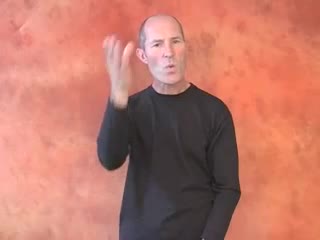
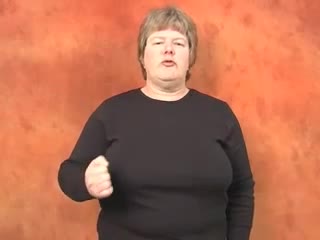
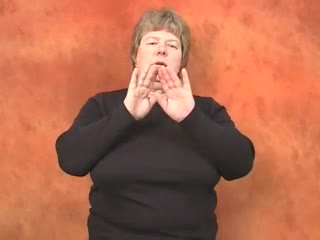
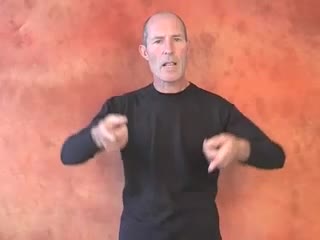
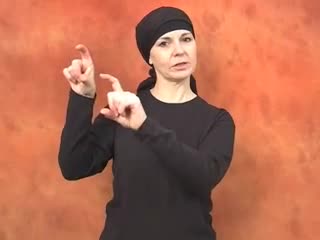
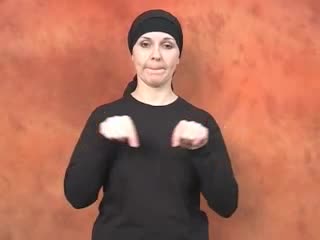
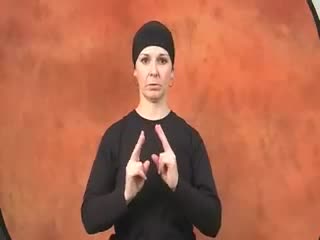
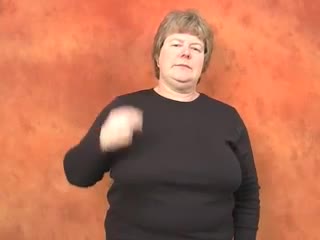
The BSL sign for strap is wonderfully iconic, directly mirroring the physical form of the object it represents. When you make this sign, you're essentially tracing the shape of a long, narrow piece of material. Your dominant hand, formed into a G-handshape with your index finger extended, becomes a visual metaphor for the strap itself.
This sign is incredibly versatile, covering a wide range of "straps" you encounter in daily life. Think about the strap on a handbag, a seatbelt strap in a car, the strap of a watch, or even a luggage strap. The beauty of this sign lies in its simplicity and adaptability; it doesn't try to be overly specific, making it a foundational noun in your BSL vocabulary.
The movement often involves a linear trace, either forward in neutral space or across your upper body, sometimes repeated. This repetition isn't just for emphasis; it often reinforces the idea of something extended, flexible, or perhaps even the action of adjusting a strap. It’s a clear, visually driven sign that quickly conveys the concept of a long, thin connector or fastener.
When This Sign Feels Natural
You'll find this sign feels incredibly natural in almost any practical, everyday conversation where you're referring to a literal strap. It's the go-to sign when the strap itself is the focus of your communication, rather than the item it's attached to. For instance, if you're signing about a broken backpack, you might sign "BAG" then "STRAP" then "BROKEN" to specify what part failed.
This sign fits seamlessly into discussions about clothing, accessories, travel, and even safety. Whether you're reminding someone to "fasten their strap" (like a seatbelt), describing a new watch with a "beautiful strap," or complaining that your "bag strap is too short," this sign will be your natural choice. Its register is generally neutral, making it suitable for all audiences and situations, from casual chats with friends to more formal descriptive contexts.
While BSL has specific signs for items like "BELT" (which is a type of strap), you'd use the general "strap" sign when the exact nature of the strap isn't critical, or when it's a strap that isn't specifically a belt. For example, if you're talking about a camera strap, using the general "strap" sign after "CAMERA" would be perfectly clear and natural, rather than trying to find a more niche term. It’s about being precise without being overly prescriptive when the context is already understood.
What Learners Usually Miss
A common pitfall for learners is making the movement for "strap" too short or too rigid. Remember, a strap has length and usually a degree of flexibility. Your dominant G-hand should flow smoothly, tracing a clear, extended line. If the movement is too abrupt or stiff, it can lose its visual meaning or even be confused with other, unrelated signs. Let your hand move with the imagined grace and length of the strap you're describing.
Another subtle point often overlooked is the specific handshape. Ensure your index finger is extended clearly, with other fingers genuinely curled into your palm and the thumb tucked away. Sometimes learners might let other fingers splay slightly or extend the thumb, which can alter the clarity of the G-handshape. The precision of this handshape is key to visually representing the narrowness and singular focus of a strap, distinguishing it from signs that might use a flat hand or a different finger configuration.
While the sign can be repeated, especially to emphasise length or an ongoing action, it's not always mandatory. New learners sometimes overuse the repetition, which can make a sentence feel clunky. Use repetition purposefully: perhaps to show a very long strap, or to indicate the act of adjusting it back and forth. If you're simply stating that an item has a strap, a single, clear movement is often sufficient. Pay attention to the rhythm and flow of native signers to grasp this nuance.
A Simple Way to Remember It
The simplest and most effective way to commit the BSL sign for strap to memory is to fully embody the object itself with your dominant hand. Imagine your extended index finger isn't just a finger, but the physical strap you're referring to. The movement then becomes the action of outlining that strap's length or showing where it might lie.
- The G-handshape (index finger extended) intrinsically represents the narrow, elongated form of a strap. Think of your finger as the very strip of material.
- The linear, tracing movement visually describes the length and flexibility of a strap. It’s like you’re drawing the strap in the air or showing how it stretches.
- Picture yourself running your finger along a seatbelt, a backpack strap, or a watch strap. The sign directly mimics this intuitive interaction, making it highly iconic and easy to recall.
Short Practice Situations
- Practice signing, "The strap on my favourite bag broke yesterday, so I need to get it repaired."
- Try describing a safety message: "Always remember to pull your seatbelt strap across you and click it securely."
- Describe an accessory: "My new watch has a really comfortable leather strap, and it’s a beautiful dark brown colour."
- Imagine you’re helping someone adjust something: "This backpack strap is too loose; let me help you tighten it a little bit."
- Comment on an item you see: "Look at that unique camera; it has a very wide, colourful neck strap."
Signs to Learn Next
- BELT: This is a specific type of strap, usually worn around the waist. Learning the sign for "belt" will help you distinguish between the general concept of a strap and this common garment accessory.
- BAG: Many straps are found on bags of all kinds. Knowing the sign for "bag" allows you to build more complex sentences like "my bag's strap" or "a strap for my travel bag."
- FASTEN/TIE: These verbs are frequently used in conjunction with "strap." You "fasten" a strap or "tie" one up, making them essential vocabulary for describing actions involving straps.
- LOOSE/TIGHT: Straps are often described by their tension. Learning these adjectives will immediately enable you to give richer, more precise descriptions when referring to straps in various contexts.
- BROKEN: Unfortunately, straps can and do break! Knowing how to sign "broken" is incredibly practical for everyday conversations about damaged items, especially when a strap is involved.