What Is the BSL Sign for "soil"?
Stepping into the garden, you'll immediately connect with the essence of life beneath your feet: the rich, earthy "soil." Understanding how to express this fundamental word in British Sign Language isn't just about vocabulary; it's about connecting with the natural world through a visual language. This specific sign for soil in BSL beautifully captures the very texture and substance of the ground we walk on, making it incredibly intuitive once you see it in action. Learning this sign helps you articulate everything from gardening projects to environmental discussions in British Sign Language soil contexts.
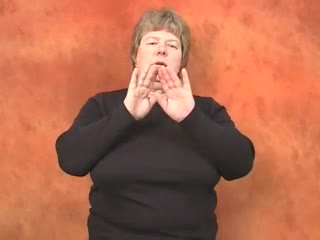
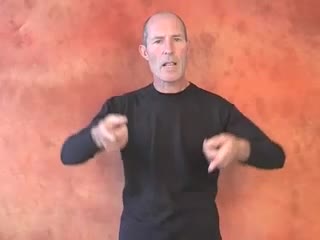
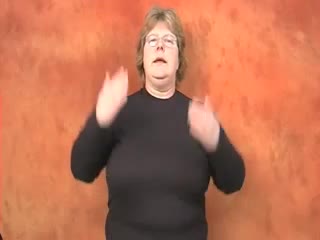
How to Sign "soil" in British Sign Language - Step-by-Step
Mastering the sign for "soil" in British Sign Language involves a precise combination of hand movements, placement, and a touch of facial expression, all coming together to convey the meaning clearly.
Step 1: Handshape
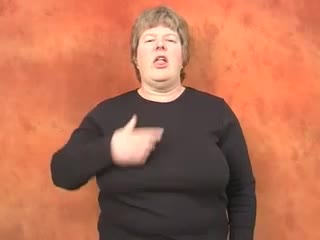
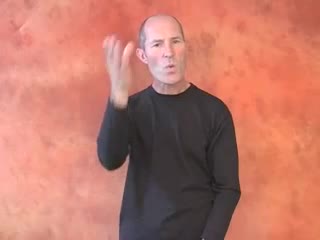
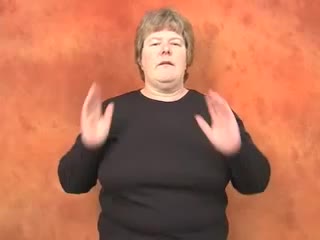
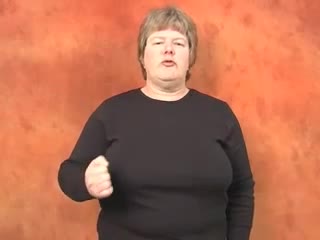
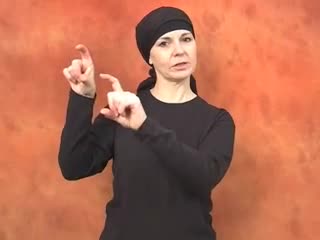
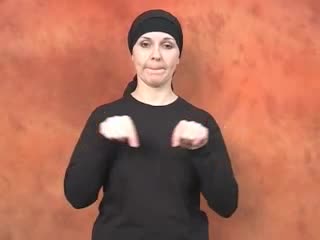
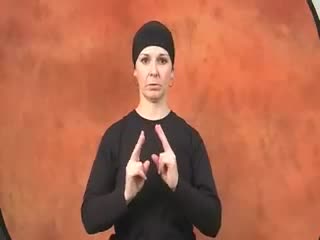
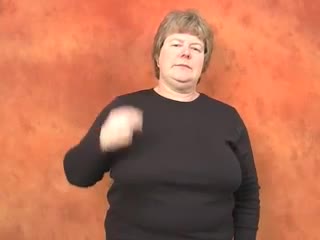
To begin, you'll form what we call a "cupped C" handshape with your dominant hand. Imagine you're gently scooping something up. Your fingers should be slightly bent and held together, with your thumb loosely touching or near your fingertips, creating a soft, open cup. It's not a tight fist, nor is it completely flat; think of it as a relaxed, ready-to-gather shape.
Step 2: Hand Placement and Location
Next, position your cupped dominant hand so it's facing downwards, palm towards the ground, roughly in the neutral signing space directly in front of your body, around waist height. This isn't up by your face or on your chest; it's low, mimicking the action of interacting with the ground itself. Your non-dominant hand remains relaxed at your side, not actively participating in this particular sign's formation.
Step 3: Movement
With your hand in the described position, initiate a subtle, short, scooping motion. Picture yourself lightly gathering a small amount of earth. You'll move your hand downwards a few inches, then slightly upwards and inwards, as if you're sifting or collecting material. This movement is typically repeated twice in quick succession, creating a gentle, rhythmic action that visually suggests handling soil.
Step 4: Facial Expression and Mouthing
While the sign itself is quite descriptive, incorporating appropriate non-manual features can enhance clarity and meaning. For "soil," a neutral and relaxed facial expression is perfectly suitable, reflecting the straightforward nature of the word. Sometimes, you might see a slight mouthing of the English word "soil" accompanying the sign, which aids in distinguishing it from other similar signs and provides additional context, especially for learners. Remember, non-manual features aren't just an add-on; they're an integral grammatical component of BSL, ensuring your message is understood with the right nuance.
Step 5: Palm Orientation
Throughout the sign for "soil," your dominant hand's palm orientation consistently faces downwards, towards the metaphorical ground. This downward facing direction is crucial as it directly reinforces the idea of interacting with the earth beneath you. Should your palm rotate upwards or sideways, it would alter the meaning, potentially transforming it into an entirely different sign, so maintaining that consistent downward orientation is key to clear communication.
"soil" in BSL - Quick Reference Snapshot
- Handshape: Cupped C handshape, fingers slightly bent and together, thumb near fingertips.
- Location: Neutral signing space, around waist height, directly in front of the body.
- Movement: Two short, gentle scooping motions downwards, then slightly upwards and inwards.
- Facial Expression: Neutral, relaxed; mouthing "soil" is common.
- Dominant Hand: Only the dominant hand is active in forming this sign.
- Palm Orientation: Palm consistently faces downwards throughout the movement.
5 Memorisation Tricks for the BSL Sign "soil"
- Visual Mnemonic: Picture yourself as a gardener gently cupping a handful of rich earth to inspect its quality. The "cupped C" handshape perfectly embodies this action, making the visual connection to "soil" immediate and strong.
- Muscle-Memory Drill: Try this: for one minute, repeatedly make the gentle scooping motion in the air while thinking of fertile ground. Focus on the sensation of your fingers slightly bending and your wrist making that subtle, downward-then-inward sweep, solidifying the movement into your motor memory.
- Connect to the Word's Meaning: Think about what "soil" represents – the foundation for growth, something you dig into. The sign's low placement and downward-facing palm directly mirror this concept of interacting with the ground, linking the physical sign to its inherent meaning.
- Common-Confusion Tip: Be mindful not to flatten your hand too much; if your hand becomes too flat and open, it might be mistaken for "ground" or "earth" in a broader sense, losing the specific nuance of "soil." Keep that gentle cup to distinguish it clearly.
- Daily-Life Practice Idea: Every time you see a plant, a flowerbed, or even a potted plant, take a moment to perform the sign for "soil." This consistent, context-driven practice helps integrate the sign into your everyday observations, making it much easier to recall when needed.
Real-Life Situations to Use the BSL Sign for "soil"
Learning how to sign "soil" means you can discuss so much more than just dirt; here are some practical scenarios where you'll find this sign incredibly useful:
- Imagine you're discussing gardening with a Deaf friend. You might sign, "My new garden has really good soil," where "good" would precede "soil" in typical BSL topic-comment structure: GARDEN NEW ME, SOIL GOOD.
- If you're out walking and notice a patch of ground that looks particularly dry or poor for growing, you could express, "Look, this soil is very dry!" using a slightly negative facial expression to convey the dryness, with SOIL DRY YOU SEE.
- Perhaps you're explaining a science project involving plant growth. You'd sign, "We need to test different types of soil," incorporating the sign for "different" before "soil" to clarify the variety, such as SOIL DIFFERENT TYPES WE TEST.
- When asking a question about where to plant something, you might sign, "Where's the best soil for planting these seeds?" The question word "where" typically comes at the end in BSL, and your eyebrows would be raised for the question: THESE SEEDS PLANT, SOIL BEST WHERE?
Top 3 Mistakes Learners Make Signing "soil" in BSL
It's completely natural to make a few errors when you're first learning a new sign, and "soil" is no exception. Knowing the common pitfalls can really help you refine your technique.
- Flattening the Handshape: A very common mistake is allowing the "cupped C" handshape to become too flat or open, almost like an open palm. This can easily be misconstrued as the sign for "flat ground" or "surface." The precise correction is to maintain that gentle curve in your fingers, keeping them slightly bent and together, truly forming a subtle scoop.
- Incorrect Location or Height: Some learners might sign "soil" too high, perhaps up by their chest or even face, or shift it too far to the side. Signing too high detaches it from the conceptual link to the ground. You'll want to ensure your hand stays in the neutral signing space, around waist height, directly in front of you, reinforcing the idea of something beneath your feet.
- Missing the Double Movement: Occasionally, a learner will perform only one single scoop instead of the characteristic double movement. While a single scoop might be understood, it lacks the natural rhythm and established form of the sign. To correct this, consciously repeat the gentle scooping motion twice, ensuring both movements are smooth and consistent, just like you're sifting or handling earth.
Fascinating Facts About the BSL Sign for "soil"
Every sign carries its own unique story and linguistic nuances, and the sign for "soil" is no different!
- The sign for "soil" exhibits a strong iconic motivation, meaning its form directly resembles the action or object it represents. The scooping motion clearly mimics the act of gathering or sifting earth, making it visually intuitive even for new learners.
- While the core handshape and movement are widely consistent across the UK, you might encounter subtle regional variations in the speed or exact arc of the scoop, reflecting the natural evolution of signs within different Deaf communities. However, the fundamental elements remain recognisable.
- Interestingly, this sign isn't typically derived directly from the manual alphabet; it's a prime example of a lexically established sign that stands on its own, conveying a complete concept without finger-spelling components.
- The specific palm orientation and downward trajectory are crucial linguistic features. Should the palm turn upwards or the movement shift significantly, it would likely alter the meaning entirely, showcasing how every detail in BSL contributes to the sign's integrity.
- The sign for "soil" can sometimes be part of compound signs, where it combines with another sign to create a more specific meaning, such as "fertile soil" (SOIL GOOD) or "potting soil" (SOIL POT). This demonstrates its versatility within the BSL lexicon.
"soil" in Deaf Culture - Community and Identity
The concept of "soil," while seemingly straightforward, connects to broader themes of nature, environment, and sustainability, which resonate within the Deaf community just as they do in wider society. For Deaf people, communicating about the natural world, whether it's gardening, farming, or discussing environmental issues, is an integral part of shared experiences and community life. The ability to articulate terms like "soil" facilitates these conversations, enabling full participation in discussions about food sources, green initiatives, and the beauty of the landscape. It's about more than just a word; it's about having the linguistic tools to express a connection to the earth, to share knowledge about growing food, or to express concern for ecological well-being, fostering a deeper sense of shared identity and collective action.
Example Conversations Using "soil" in BSL
Here are five practical examples showing how you might integrate the sign for "soil" into everyday BSL conversations:
English: We need to add more nutrients to the soil. - BSL structure: TOPIC-COMMENT, "SOIL" needs "NUTRIENTS" more to add. (SOIL NUTRIENTS MORE ADD NEED).
English: Is this soil good for planting vegetables? - BSL structure: QUESTION, "SOIL" this "VEGETABLES" plant for good? (THIS SOIL VEGETABLES PLANT FOR GOOD?)
English: The rich, dark soil is perfect for roses. - BSL structure: TOPIC-COMMENT, "SOIL" dark rich "ROSES" for perfect. (SOIL DARK RICH ROSES FOR PERFECT).
English: Don't walk on the freshly tilled soil! - BSL structure: NEGATION, "SOIL" fresh tilled on walk DON'T. (SOIL FRESH TILLED ON WALK NO/DON'T).
English: Dig a hole in the soil over there. - BSL structure: SPATIAL REFERENCE, "SOIL" over there hole dig. (SOIL OVER THERE HOLE DIG).
Frequently Asked Questions: The BSL Sign for "soil"
Is the BSL sign for "soil" the same as for "earth" or "dirt"?
The British Sign Language sign for "soil" specifically refers to the medium plants grow in, with its characteristic cupped handshape and scooping motion. While "earth" or "dirt" might sometimes be conveyed with similar concepts, they often use slightly different signs or modifications to distinguish the broader concept of the planet or simply generic ground from the fertile, organic material of soil. The subtle nuances in handshape and movement are key to precise communication.
Can beginners easily learn the BSL sign for "soil"?
Absolutely, the BSL sign for "soil" is quite accessible for beginners. Its iconic nature, mimicking the act of handling soil, makes it relatively easy to grasp and remember compared to more abstract signs. Focusing on the correct handshape and the gentle double scooping movement will help you master it quickly, providing a solid foundation for further vocabulary.
Are there any regional variations for "soil" within BSL?
While the core elements of the BSL sign for "soil" – the cupped handshape, downward palm orientation, and scooping movement – are largely consistent across the United Kingdom, you might observe minor regional differences in the exact speed or slight arc of the movement. These subtle variations are natural within any living language, but the sign's meaning remains universally understood by BSL users.
Is the BSL sign for "soil" appropriate for children to learn?
Indeed, the sign for "soil" is very suitable and often taught to children learning BSL. Its clear visual representation makes it engaging for young learners, especially when connecting it to activities like gardening or playing outdoors. It's a fantastic sign to introduce early as it links directly to tangible, everyday experiences that children can easily relate to and understand.
How does the BSL sign for "soil" differ from signs for other ground materials?
The BSL sign for "soil" distinguishes itself from other ground materials, like "sand" or "mud," through specific adjustments in handshape, movement, or texture indication. For instance, "sand" might involve a sifting motion with open fingers, and "mud" might imply a squishing or slippery action. The specific cupped hand and gentle scooping of "soil" are unique to its rich, organic texture, ensuring clarity when discussing different ground types.
Signs That Pair Naturally with "soil" in BSL
Building vocabulary effectively often means learning signs in clusters that naturally relate to each other. Here are a few signs that frequently appear alongside "soil" in conversation:
- PLANT: This sign, often involving a hand growing upwards from the other, naturally pairs with "soil" as plants grow directly from it.
- WATER: Essential for healthy soil and plant life, the sign for "water" (often tapping a 'W' hand to the chin) is a common companion.
- GARDEN: The sign for "garden" (often outlining a plot or planting motion) frequently includes discussions about the quality and care of "soil."
- GROW: Represented by a hand moving upwards through the non-dominant hand, "grow" directly implies the action that healthy "soil" facilitates.
- SEED: As seeds are planted in the "soil" to begin their life cycle, this sign (often a small pinching motion) forms a logical pairing.
- DIG: The action of "digging" (often a shoveling motion with both hands) is directly related to preparing or working with "soil."
Building Fluency: How to Practise "soil" in BSL
Developing fluency with "soil" in British Sign Language means moving beyond just the steps and truly integrating it into your active vocabulary. Start by using a mirror: carefully watch your handshape and movement, ensuring your cupped C and double scoop are precise and natural. Don't rush; focus on the clean, rhythmic action. Next, try to integrate "soil" into your daily BSL conversations, even if you're just signing to yourself. For instance, when you see a window box, think "
SOIL GOOD" and sign it. Filming yourself is incredibly helpful too; you can review your technique and spot any subtle improvements needed that you might miss in the mirror. Most importantly, seek out opportunities to interact with Deaf individuals; a real-time conversation partner can offer invaluable feedback and help you use the sign for "soil" in authentic contexts, deepening your understanding and confidence. Keep practising consistently, and you'll find this sign becomes second nature in no time!