What This Sign Means in BSL
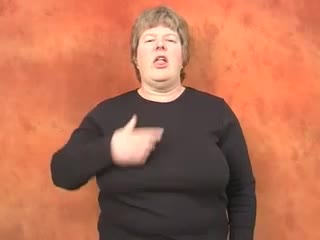
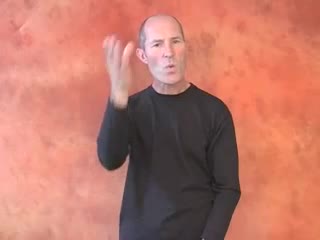
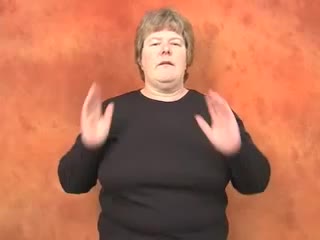
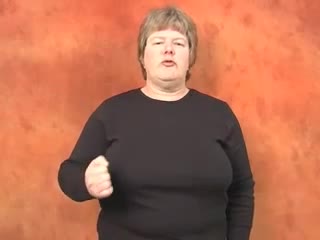
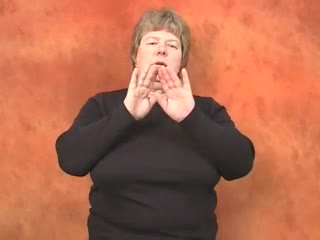
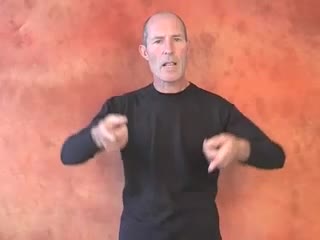
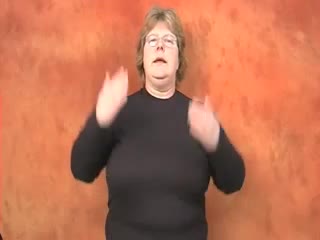
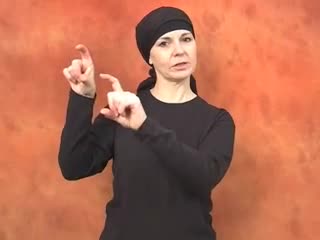
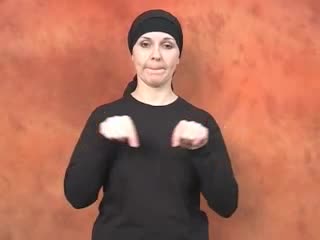
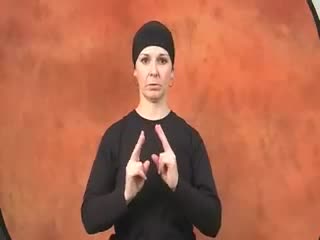
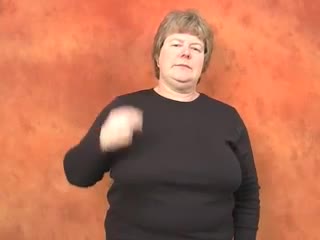
The BSL sign for marsh beautifully captures the essence of this unique landscape: a low-lying, often expansive area of soft, wet ground, typically covered with grasses and reeds. When you make this sign, with both hands forming a flat 'B' shape and moving outwards horizontally with a slight downward dip, you're visually describing the broad, flat character of a marsh, hinting at the dampness and the way the land might gently yield underfoot. It’s a very descriptive sign, immediately bringing to mind those open, watery, and often bird-filled environments.
This sign isn't just about flatness; the subtle downward movement is key. It conveys the idea that the land is lower than its surroundings, often saturated with water, and not firm like a solid field. It’s this combination of broadness and a hint of soft, yielding ground that truly defines the sign. You're painting a picture of a typical UK marshland, where water is ever-present, but not necessarily deep, creating a distinctive habitat.
Understanding this sign means appreciating its visual metaphor. It’s a sign that speaks to the geography and the very feel of a marsh. It differentiates itself from signs for "field" (which implies firm, cultivated land) or "lake" (which denotes a deeper body of water). "Marsh" sits in that unique space of wet, shallow, and often reedy ground, making it an indispensable sign for anyone describing natural environments.
When This Sign Feels Natural
You'll find the BSL sign for marsh feels most natural when you're discussing specific types of wetland habitats, describing landscapes during a nature walk, or talking about conservation efforts. Imagine recounting a visit to a nature reserve where you spotted rare birds; this sign would fit perfectly into a description of their nesting grounds. It's a sign that sits comfortably in descriptive storytelling and informative discussions about geography and ecology.
This sign is a great choice when you want to be precise about the kind of wet environment you're referring to. For instance, if you're explaining that the local wildlife thrives in the marshy areas, or detailing a hiking route that skirts a marshland, this sign provides that clear visual. It’s generally used in a neutral, informative register, making it suitable for a wide range of audiences, from casual conversations with friends about their holiday adventures to more formal presentations on environmental topics.
While "marsh" is versatile, be mindful of when a different sign might be more appropriate. If you're talking about a very deep, heavily wooded wetland, "swamp" might be a better fit, though BSL often uses "marsh" more broadly. Similarly, for a very acidic, peat-dominated wetland, you might lean towards describing it as a "bog" if that distinction is crucial. For general, open, grassy, wet areas, however, "marsh" is almost always the go-to sign in BSL.
What Learners Usually Miss
One of the most common things learners miss with the BSL sign for marsh is the subtle, but crucial, downward movement of the hands. It's not just a flat, outward sweep. That slight dip is what communicates the idea of soft, yielding ground, often waterlogged or lower than its surroundings. Without it, the sign can look more like "flat" or "expanse" without the specific characteristic of a marsh. Always remember to incorporate that gentle downward trajectory as your hands move outwards from the centre of your body.
Another area where learners sometimes falter is in the symmetry and simultaneous movement of both hands. Both hands should perform the flat 'B' shape and move together, mirroring each other's path. Sometimes, learners might lead with one hand or have them slightly out of sync. Practicing this coordinated, simultaneous movement will ensure your sign looks smooth, natural, and accurately conveys the broad, open feel of a marshland. The rhythm should be gentle and unhurried, reflecting the steady, widespread nature of such an environment.
Finally, learners occasionally forget the appropriate facial expression. While it’s not a highly emotive sign, a neutral, thoughtful, or slightly observant expression usually accompanies it. Avoid overly exaggerated or intense facial expressions unless you are specifically conveying a strong feeling about the marsh (e.g., "The marsh was horrible to walk through"). For simply identifying or describing a marsh, keep your expression natural, allowing the hands to do the primary work of communication.
A Simple Way to Remember It
To easily recall the BSL sign for marsh, think of your hands mapping out the broad, flat expanse of the land, while the subtle downward movement hints at its soft, wet, and often lower-lying nature. It's like you're showing how the land stretches out and gently dips, indicative of a water-logged area.
-
Flat Expanse: Imagine your flat hands sweeping outwards, visually representing the wide, open, and often level terrain of a marshland.
-
Soft Ground: The gentle downward movement as your hands move outwards is your cue for the soft, boggy, and yielding ground characteristic of a marsh. It's not firm, it's a little squishy!
-
Water's Edge: Picture your hands indicating where the land meets shallow water, spreading out from a central point, much like how a marsh spreads across the landscape.
Short Practice Situations
- We saw many unique birds nesting in the marshlands near the coast, it was a truly beautiful sight.
- The hiking path became very muddy and difficult to navigate as we approached the marshy area of the park.
- Conservation efforts are absolutely crucial to protect the delicate ecosystem and the rare species that live in the local marsh.
- During our cross-country run, we had to be extremely careful not to wander too far into the marsh, as it was quite boggy.
- The sunset over the vast marsh was absolutely breathtaking, reflecting vibrant colours in the shallow, still water.
Signs to Learn Next
-
Wet: A natural companion sign, as marshes are defined by their wet conditions. Learning "wet" will help you describe the specific state of the marsh ground.
-
Land / Ground: These signs will allow you to further specify what kind of land the marsh is, or to contrast it with other types of terrain.
-
River / Lake: Expanding your vocabulary of water bodies will enable you to talk about how marshes connect to other aquatic features, or to distinguish them clearly.
-
Bird / Wildlife: Marshes are often teeming with life, especially birds. Knowing these signs will let you describe the inhabitants of these special habitats.
-
Mud: An almost inevitable characteristic of many marshes, "mud" is a practical sign to know for discussing the ground conditions within these areas.