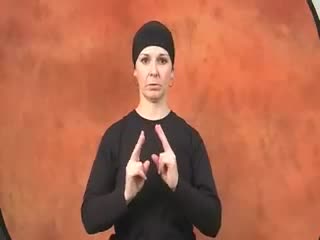
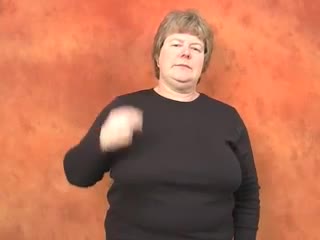
What This Sign Means in BSL
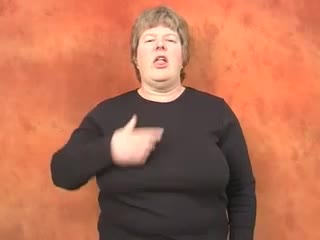
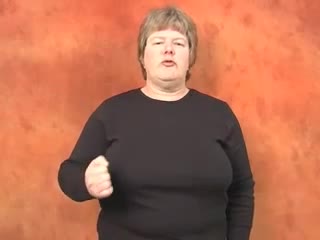
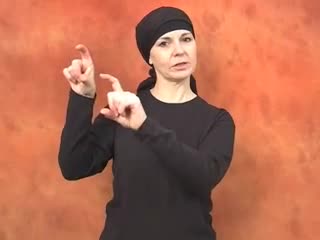
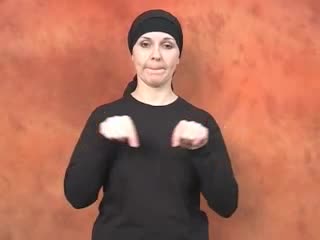
The BSL sign for internet is a wonderfully descriptive and widely understood sign within the UK Deaf community. It doesn't just name a concept; it vividly illustrates the idea of a vast, interconnected web of information. When you perform this sign, you're not just saying "internet"; you're showing the invisible network, the constant flow of data, and the way everything links together in a digital space.
It's a foundational sign in modern communication, one you'll use constantly in everyday conversations about technology, information, and connectivity. The beauty of this sign lies in its visual metaphor: the two hands represent different points or nodes in the network, and the dynamic finger movement signifies the countless signals and data packets constantly moving between them. It’s a sign that speaks to the abstract nature of the internet in a very concrete way.
You'll notice its tone is generally neutral and practical, fitting comfortably into most discussions, whether you're talking about online shopping, searching for information, or connecting with friends. Mastering this sign means you’re ready to dive into a huge range of contemporary BSL conversations.
When This Sign Feels Natural
This sign feels incredibly natural and appropriate in almost any situation where you'd verbally mention the internet. Think about common phrases like "I'll look it up online," "The internet is slow today," or "I found this great video on the internet." It’s your go-to sign for the general concept of the worldwide web, online activity, and digital connectivity. You'll find yourself using it when discussing websites, social media platforms, streaming services, online learning, or even remote work arrangements.
Its register is versatile, suitable for both informal chats with friends and more formal discussions in an educational or professional setting. Because it’s so universally recognised across the UK, you don’t need to worry about your audience understanding you; it’s a standard, core vocabulary sign. It acts as a gateway to talking about so many aspects of our digital lives.
You’ll rarely need to choose a different sign for the core concept of "internet." While there might be more specific signs for things like "Wi-Fi" or "broadband," this sign covers the overarching idea perfectly. Avoid fingerspelling "I-N-T-E-R-N-E-T" unless you're clarifying a very specific brand name or a technical term that doesn't have a common BSL equivalent. For the general concept, the BSL sign for internet is always the most natural and efficient choice.
What Learners Usually Miss
One of the most common things learners sometimes miss with the BSL sign for internet is the precise execution of the handshape and movement. It's easy to make the hands too stiff or rigid. Remember the description: "both hands form a splayed, slightly clawed 5-handshape with fingers relaxed." The relaxed part is key. If your fingers are too tense or straight, you lose the crucial fluidity that represents the invisible, dynamic flow of data. Practice keeping your fingers soft and slightly curved, not rigid like a stiff claw.
Another subtle but important detail is the movement itself. It’s not just a single wiggle or a static hold. The fingers need to "wiggle and bend repeatedly," and crucially, "hands may subtly move slightly apart and together." This constant, almost shimmering movement is what truly brings the sign to life, mimicking the ceaseless activity of the internet. Beginners often perform a more static version, missing the continuous, dynamic quality. Think of it as a constant, gentle tremor, like data packets constantly zipping back and forth, rather than a one-off action.
Finally, while there isn't a specific grammatical facial expression for "internet," your overall expression should reflect the context of your conversation. A neutral, engaged expression is typical. However, if you're signing "the internet is down" or "I'm frustrated with the internet," your facial expression will naturally convey that frustration, but the sign for internet itself remains consistent in its form, allowing your face to add the emotional nuance.
A Simple Way to Remember It
To really embed the BSL sign for internet in your memory, visualise the vast, intangible web of connections that make up the digital world. Your hands aren't just making a shape; they are actively illustrating this complex network. Imagine the constant, unseen activity, the myriad points of connection, and the endless flow of information. The sign itself becomes a metaphor for this invisible infrastructure, bringing an abstract concept into clear visual form.
- Wiggling Wires: Picture countless invisible wires, data streams, or signals represented by your wiggling fingers, constantly connecting different points in the network. This continuous motion is key.
- Clawed Connection: The slightly clawed handshape can be thought of as reaching out, metaphorically grasping and forming connections across a boundless digital space, always ready to link up.
- Data Dance: Combine the finger wiggles with the subtle movement of your hands slightly apart and together. This visualises the dynamic "dance" of data as it travels, converges, and diverges across the internet.
Short Practice Situations
- Can you please check the internet for the opening hours of the library tomorrow?
- I need to connect to the internet on my laptop to finish writing this important report.
- The internet went down unexpectedly last night, so I couldn't stream my favourite show.
- There's an incredible amount of information and resources available on the internet these days if you know where to look.
- Many people rely heavily on the internet for work, communication, and entertainment in their daily lives.
Signs to Learn Next
- Website: Once you've established "internet," you'll often want to specify where you're looking. This sign follows naturally, allowing you to discuss specific online destinations.
- Email: A fundamental application of the internet, connecting "internet" with one of its most common uses for communication.
- Computer: This is the primary device many people use to access the internet, making it a logical next sign to learn for discussions about technology.
- Phone (mobile): With the rise of smartphones, accessing the internet via a mobile device is incredibly common, forming a strong connection to this sign.
- Search/Look for: This sign describes the action you perform *on* the internet, making it essential for practical conversations about finding information online.