What This Sign Means in BSL
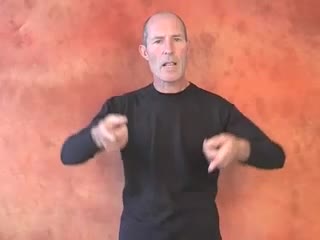
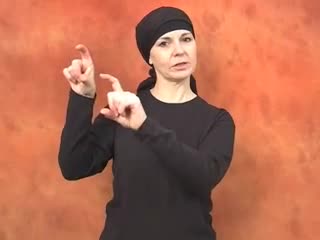
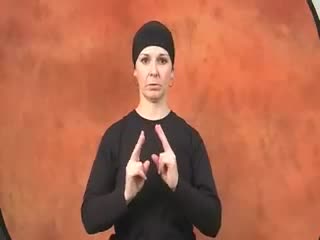
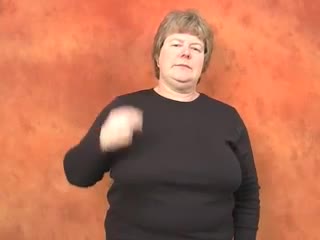
The BSL sign for cinema is beautifully descriptive, immediately bringing to mind the experience of watching a film. It uses both hands, shaped like a 'C', moving together directly outwards from your face. Think of it as mimicking the lenses of a film projector beaming light onto a screen, or perhaps even looking through a viewfinder to frame a shot. It’s a very direct and clear sign, making it easy to recognise and remember once you understand its visual logic.
This sign functions purely as a noun, referring specifically to the building or the venue where films are shown. It doesn't carry the nuanced meaning of "watching a film" itself, nor does it imply the act of seeing or viewing. Its core purpose is to identify the place. Learners often appreciate how straightforward this sign is, acting as a foundational piece in conversations about leisure, entertainment, and social plans.
The sign’s form embodies a sense of forward motion and focus, reflecting how we direct our attention towards a screen in a cinema. It’s a clean, symmetrical sign that carries a generally neutral or expectant tone, depending on the context of your conversation. There’s no inherent emotion in the sign itself; any feeling comes from the accompanying facial expressions and body language that you’d naturally use when discussing plans or experiences.
When This Sign Feels Natural
This sign feels incredibly natural and essential in almost any conversation involving going out to see a film. You’d use it when asking friends what they want to do tonight, suggesting a specific activity, or talking about where you spent your weekend. For instance, if you’re planning an evening with a friend, you might sign, "SHALL WE GO TO CINEMA TONIGHT?" It’s universally understood within the BSL community in the UK for its clear and consistent meaning.
You’ll find yourself reaching for this sign when discussing past experiences too. "I WENT TO CINEMA LAST WEEKEND" is a common sentence structure. It's a high-frequency sign, meaning it pops up often in everyday communication. Whether you’re describing a new blockbuster you saw, complaining about ticket prices, or even just pointing out a cinema building as you pass by, this sign fits perfectly.
Its register is versatile, suitable for both casual chats with peers and more formal discussions, perhaps even when telling a story in a BSL performance. There aren't many alternative signs that carry the exact same meaning, which solidifies its place as the go-to sign. It's rarely replaced by fingerspelling unless you're referring to a very specific, branded cinema name that has no established BSL sign, and even then, you’d likely follow up with the standard sign for clarity.
What Learners Usually Miss
One common oversight for new learners is the precise handshape and its symmetry. Remember, both hands form a clear 'C' shape, with your fingers curved and thumb extended, almost as if holding two small tubes. It's easy to let one hand become lazy or for the 'C' to become a loose 'U' or even a flattened hand. Ensure both hands are active, mirror images of each other, and maintain that distinct curvature throughout the sign. This attention to detail makes the sign crisp and unambiguous.
Another subtle point often missed is the starting location and the quality of the movement. The hands should begin near your eyes or face, but not touching. Think of them hovering slightly in front, as if you’re about to peer through something. The movement is then a clear, linear push directly outwards, away from your face. Avoid an upward or downward arc, or a movement that's too wide or too cramped. It’s a focused, symmetrical forward thrust. Inconsistent direction or an unclear starting point can make the sign look like something else entirely, or just appear clumsy.
Finally, learners sometimes forget the importance of an appropriate facial expression. While the sign itself is neutral, the context often calls for more. If you're asking someone to go, your eyebrows might raise slightly, indicating a question, or you might have a hopeful look. If you're describing a fun trip to the cinema, a slight smile would be natural. The sign for cinema isn't just about the hands; it’s about conveying the full picture of your message. Ensure your face supports the intent of your hands, rather than remaining blank or disconnected.
A Simple Way to Remember It
To help this sign stick in your memory, think about what happens when you go to the cinema. It’s all about looking forward, focusing your eyes, and seeing a projected image. The sign visually captures this experience.
- Projector Lenses: Imagine your 'C' hands as the two lenses of an old-fashioned film projector, beaming light directly forward onto a screen. The outward movement simulates the light travelling.
- Binoculars for Watching: Picture yourself holding a pair of binoculars or an old viewfinder up to your eyes, ready to watch something distant. The 'C' shapes are like the eyepieces, and the forward motion is you extending them to see clearly.
- Framing a Shot: Think of a director or photographer framing a shot with their hands, forming a 'C' with each hand to create a window. The movement forward suggests zooming in on the action on the big screen.
Short Practice Situations
- "I'm bored, shall we go to the cinema later today?"
- "The new superhero film is showing at the local cinema, I really want to see it."
- "Do you prefer going to the cinema or watching movies at home on the sofa?"
- "My favourite part of going to the cinema is always buying a huge bucket of popcorn."
- "We met up at the cinema and then went for a meal afterwards, it was a lovely evening."
Signs to Learn Next
- FILM / MOVIE: Naturally, once you’re talking about the cinema, you’ll want to discuss the films themselves. This sign often follows "cinema" in a sentence.
- WATCH / SEE: These signs describe the act of engaging with what's on screen, a fundamental action associated with visiting the cinema.
- POPCORN: A ubiquitous snack and part of the cinema experience for many people. Learning this allows you to talk about the full sensory experience.
- TICKET: You usually need one to enter the cinema, making it a highly relevant sign for practical conversations about going.
- FRIEND: Going to the cinema is often a social activity, so being able to sign about friends is essential for discussing plans and who you went with.