What This Sign Means in BSL
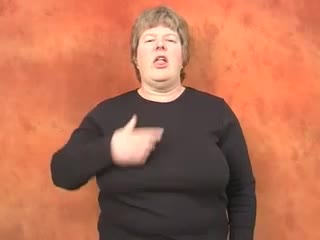
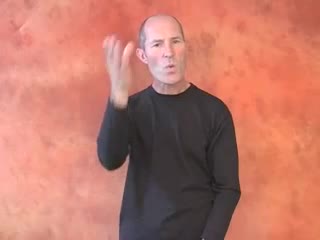
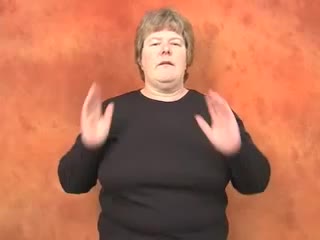
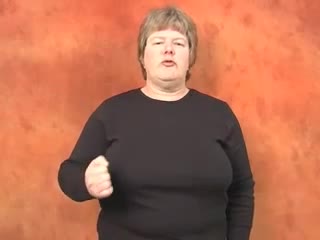
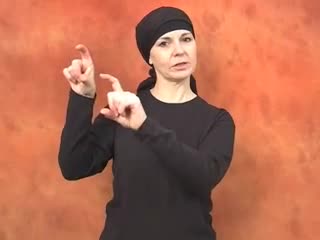
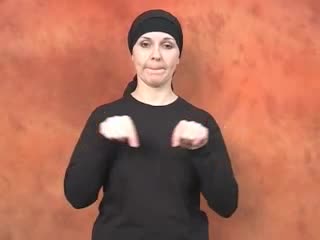
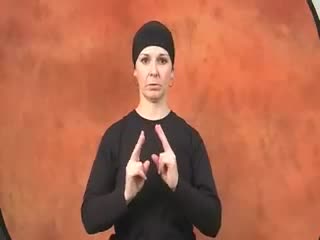
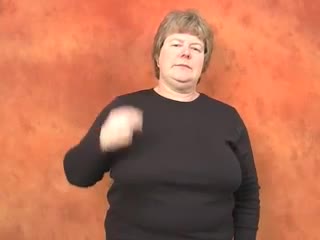
The BSL sign for ring spanner is wonderfully descriptive, truly embodying the tool it represents. It's a clear, practical sign that immediately brings to mind the action and form of this specific piece of equipment. Unlike more abstract signs, this one is iconic; if you've ever used a ring spanner, the movement and handshape will feel instantly familiar, making it quite intuitive for many learners.
What makes this sign particularly effective is its precision. It doesn't just mean "a tool" or even "any spanner," but specifically the type with a closed, circular head that grips a bolt or nut tightly. This specificity is crucial in contexts where the exact tool matters, ensuring clarity in communication, whether you're asking for help or explaining a task. It's a sign that demonstrates how BSL often leverages visual representation to convey concrete objects with remarkable accuracy.
The tone of this sign is purely functional and direct. There's no inherent emotional overlay; it’s about getting a job done. Mastering it means you’re ready to discuss practical tasks, from DIY projects at home to more complex mechanical work. It’s a core vocabulary item for anyone engaging in or talking about manual labour, repairs, or construction, making it a valuable addition to your BSL toolkit.
When This Sign Feels Natural
You'll find yourself reaching for the BSL sign for ring spanner most naturally in everyday situations related to maintenance, repairs, and DIY. Imagine you're helping a friend fix their bicycle, or explaining to a mechanic what you saw someone doing under the bonnet of a car – this is precisely when its directness shines. It's perfect for specifying the exact tool needed, whether you're asking someone to pass it to you or describing how a particular part was fitted.
This sign is highly appropriate for conversations among people who understand and use tools, such as tradespeople, hobby mechanics, or anyone involved in practical projects. It fits comfortably into a factual, instructional, or descriptive register. For instance, if you're giving directions on how to assemble flat-pack furniture, or explaining the steps of a household repair, using the precise sign for "ring spanner" adds clarity and avoids ambiguity that a more general "tool" sign might create.
While it’s specific, it’s not overly formal. It’s part of the practical language of getting things done. However, if your audience isn't familiar with tools, you might need to follow up with a descriptive explanation or a gesture that clarifies the tool's function, especially if they’re less likely to recognise the iconic movement. But for most everyday interactions involving manual work in the UK, this sign is clear and understood.
What Learners Usually Miss
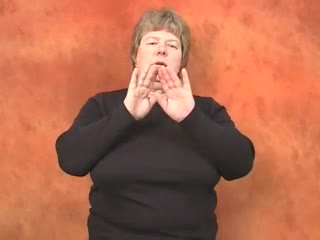
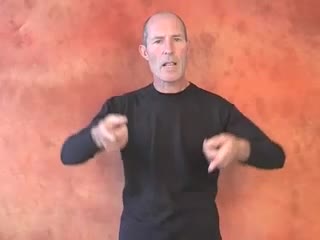
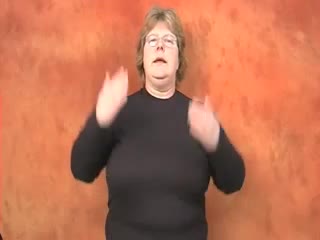
One common area where learners might slightly miss the mark with the ring spanner sign is in the subtlety of the wrist movement. It's easy to make the movement too large, turning it into a whole arm swing, rather than the focused, precise twist of the wrist that mimics the actual turning of a bolt. Remember, when you use a spanner, the action is concentrated in your hand and wrist; aim for that controlled, repeated rotation, keeping the elbow relatively still. It's not a broad gesture but a functional, precise action.
Another point of confusion can be the exact "C" handshape. Sometimes learners might make it too wide or too narrow, or not firm enough, which can blur the distinction between this sign and other gripping or turning actions. Ensure your dominant hand forms a clear, strong 'C', as if firmly holding the head of a spanner around a bolt. This precise hand configuration is what tells your audience this isn't just any turning motion, but specifically one involving a ring spanner.
Finally, while facial expression isn't as critical for a tool sign as it might be for expressing emotion, learners sometimes neglect a neutral, focused expression. When using a tool like a spanner, you're usually concentrating. An overly relaxed or a very dramatic facial expression can sometimes distract from the clarity of the sign itself. Aim for a focused, perhaps slightly intent look, mirroring the concentration one would have while performing a mechanical task. This helps to complete the picture and maintain the naturalness of the sign within its practical context.
A Simple Way to Remember It
The BSL sign for ring spanner is one of those fantastic signs that's almost a direct mime of the object and its use, making it incredibly easy to recall once you connect it to real-world experience. Think of it as demonstrating the very action of gripping and turning a stubborn bolt.
- The "C" Handshape: This isn't just any handshape; it perfectly represents the closed, circular head of a ring spanner fitting snugly around a nut or bolt. Feel your hand as if it's securely gripping something.
- The Wrist Twist: The repeated back-and-forth movement comes directly from the action of tightening or loosening a fastener. It's that familiar "ratcheting" motion you'd use to apply torque.
- Neutral Space Location: Placing the sign in front of your body, in neutral space, mirrors how you'd typically hold a spanner and work on something directly in front of you, whether it's an engine part or a piece of furniture.
Short Practice Situations
- I need a **ring spanner** to adjust the chain on my bicycle before we go for a ride.
- Could you please lend me your **ring spanner**? I seem to have misplaced mine in the garage.
- The mechanic used a very large **ring spanner** to loosen the wheel nuts on the lorry.
- He showed me how to use the correct size **ring spanner** for the new plumbing fixture.
- Make sure to use an insulated **ring spanner** if you are working near electrical components.
Signs to Learn Next
- SPANNER (Adjustable/General): While "ring spanner" is specific, learning a more general sign for "spanner" or an "adjustable spanner" will broaden your ability to talk about different types of wrenches. This will help you distinguish when to be precise and when a broader term is sufficient.
- SCREWDRIVER: Another fundamental hand tool, "screwdriver" often comes up in similar repair and DIY contexts. Knowing both allows you to discuss a wider range of tasks requiring precision fasteners.
- BOLT / NUT: The objects that a ring spanner is designed to interact with. Learning these signs will allow you to complete the conceptual loop and discuss the components being tightened or loosened.
- FIX / REPAIR: This action sign is naturally linked to tools. After all, you use a ring spanner to fix or repair something, so having this verb in your vocabulary makes your tool-related conversations much more complete.
- TOOL: A broader category sign for "tool" allows you to refer to instruments generally, which is useful when you're talking about a toolbox or a collection of implements without needing to name each one individually.