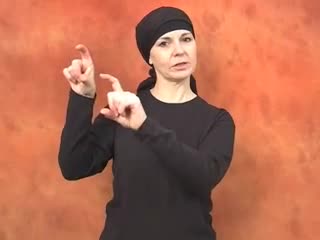
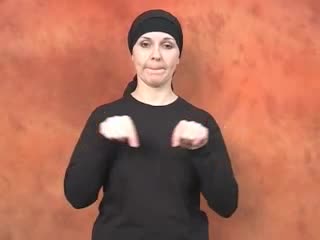
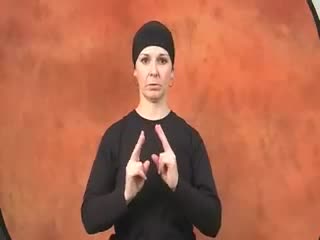
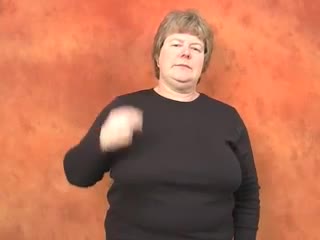
What This Sign Means in BSL
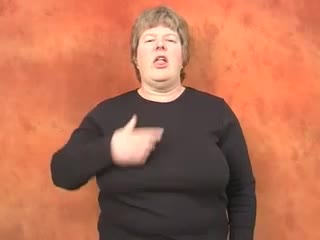
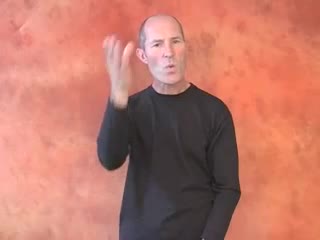
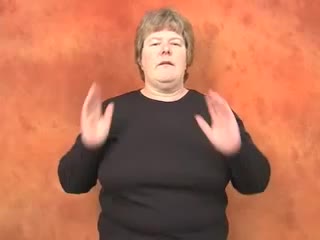
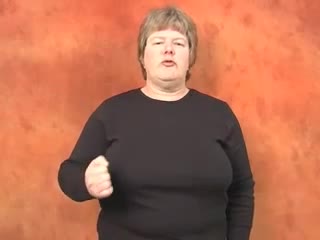
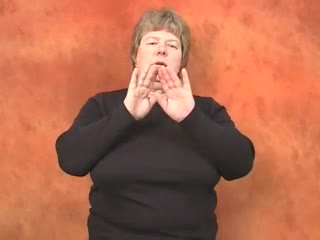
The BSL sign for mitring captures the precise craft of joining two pieces of material, typically wood or moulding, at an angle to form a corner. Think of the seamless corners on a picture frame or the neat finish of skirting boards in a room. This sign isn't just about 'joining'; it specifically conveys the act of cutting and fitting pieces at angles, usually 45 degrees, so they meet perfectly.
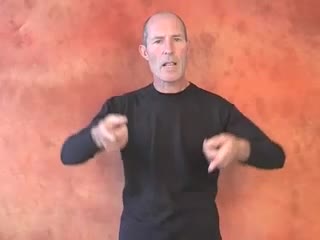
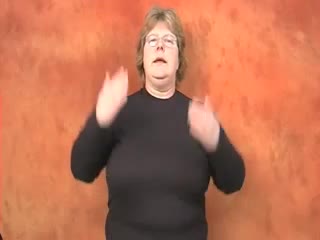
It's a very visual and descriptive sign, where your hands become the pieces of material. The flat, aligned handshape represents the surfaces that are being prepared and brought together. When your hands meet cleanly, they embody the successful, tight joint that a good mitre creates, highlighting accuracy and craftsmanship.
This sign carries a sense of precision and intentional design. It moves beyond a general connection to signify a deliberate, often skilled, technique. Learning it adds a specific, valuable term to your BSL vocabulary, allowing you to discuss detailed construction, carpentry, or design work with clarity.
When This Sign Feels Natural
You'll find the sign for mitring feels most natural in conversations revolving around practical trades, DIY projects, or design specifications. Imagine you're discussing how to finish a new floor, talking about framing artwork, or explaining a particular carpentry technique. This sign is perfect for those moments when a general term like 'join' or 'connect' just isn't specific enough to convey the exact method.
Its register is generally practical and informative. You might use it with a builder, a fellow woodworker, or when explaining a home improvement task to a friend. It's less likely to appear in casual chat about abstract concepts, as its meaning is rooted firmly in the physical world of construction and assembly. It speaks to the "how" of putting things together with care.
Consider using this sign when the exact angle of the joint is important to the meaning. If you're simply talking about two things coming together without that specific angled cut, you'd opt for a broader sign like JOIN or CONNECT. The beauty of this sign is its specificity, allowing you to communicate complex practical ideas with ease and precision in BSL.
What Learners Usually Miss
Many learners initially focus solely on the 'meeting' aspect of the sign, sometimes overlooking the crucial handshape and the subtle implications of the movement. It's not just any flat hand; both hands need to be truly flat, fingers together, with thumbs tucked alongside, mimicking the smooth, planed surface of wood or moulding. This detail is vital because it represents the material itself, ready to be joined.
Another common oversight is the precision of the meeting. The hands should come together cleanly and directly, as if two perfectly cut pieces are forming a tight, seamless corner. Avoid letting your hands overlap or pass through each other; they should meet flush. The movement isn't a casual tap; it's a deliberate, almost firm, coming together that signifies the secure completion of the joint.
Also, pay attention to maintaining the orientation of your hands as they meet. They typically approach each other on the same plane, representing two flat surfaces. There's usually no strong facial expression accompanying this technical sign, though a focused or satisfied look might naturally appear if you're demonstrating a successful joint. Practising the smooth, controlled movement from approach to meeting will help you master the sign's full meaning.
A Simple Way to Remember It
To help this sign stick in your memory, visualise the components of a mitre joint itself. The sign beautifully mimics the physical act and outcome of mitring, making it quite intuitive once you connect the visual to the concept. Here are a few hooks:
- The Flat Pieces: Imagine your flat, aligned hands as two pieces of material, like strips of wood or decorative trim. They're smooth and ready for a perfect cut.
- The Joining Motion: The movement of your hands coming together directly represents the act of bringing those two cut pieces into contact, forming a corner.
- The Seamless Corner: When your hands meet, picture the clean, tight corner that a well-executed mitre creates. The neat alignment of your hands should reflect that finished, precise joint.
Short Practice Situations
- "We need to ensure a perfect mitring for all the picture frame corners to make them look professional."
- "The carpenter explained the importance of accurate mitring when fitting the new skirting boards around the room."
- "Are you skilled in mitring different types of wood, especially for intricate joinery projects?"
- "Achieving a good mitring can really elevate the finished look and structural integrity of the furniture."
- "They taught us how to do precise mitring in our woodworking class to create strong, beautiful corners."
Signs to Learn Next
- WOOD / TIMBER: Mitring is most commonly associated with woodworking. Learning this sign allows you to specify the material often involved in mitred joints.
- JOIN / CONNECT: While mitring is a specific type of joining, understanding the general sign for 'join' or 'connect' provides a broader context for how things are brought together.
- CUT: Mitring inherently involves cutting materials, usually at a specific angle. This sign describes the primary action taken before a mitre can be formed.
- ANGLE: The concept of an angle is central to mitring. Knowing the sign for 'angle' helps you discuss the geometric aspects of the joint.
- CORNER: Mitring results in a corner. This sign helps you talk about the final form or location that the mitred pieces create.