Speed
0
Practice reps times watched

Create a free account to keep your watch history and review plan.

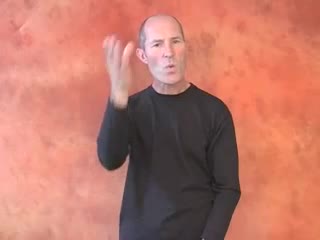
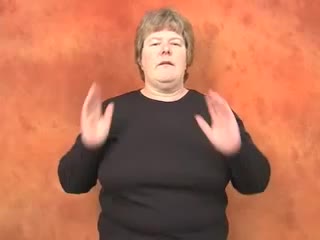
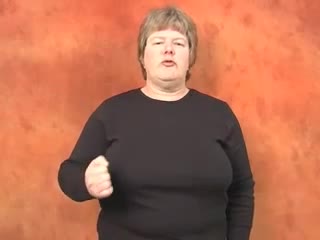
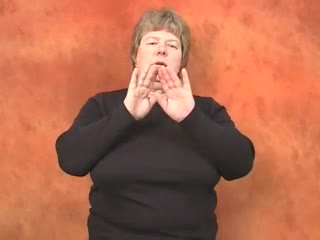
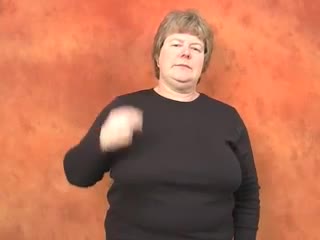
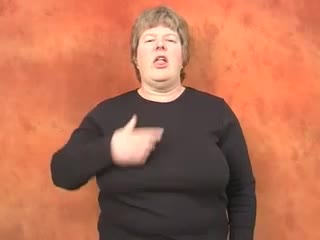
Best practice Use mirror mode, then watch the frame breakdown below to catch the start, movement, and finish cleanly.
Video via SpreadTheSign  - Free educational resource BSL
Updated April 20, 2026
🌱 Level 1 BSL Starter
🔥 0d +0 XP
0 XP 50 XP to Level 2
British Sign Language (BSL) 🟢 Beginner 📊 A1 ⚡ Common Noun

firewood

Wood cut for burning as fuel

Source-linked video Step-by-step guide Context and safety notes
Synonyms
Fuel wood logs kindling
Antonyms
Ash charcoal
Difficulty
Not rated yet

Create a free account to save this sign, keep your watch history, and unlock a one-note journal preview.

How to sign it
Handshape
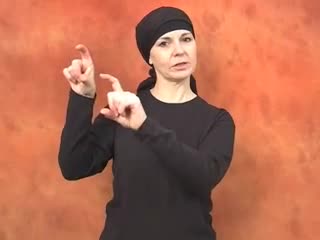
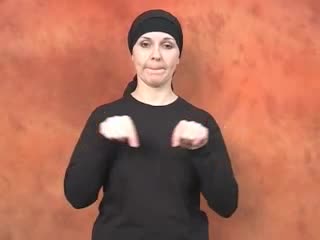
Both hands form S-hands (fists), with thumbs tucked
Location
Mid-body, in front of the chest or waist
Movement
Dominant S-hand repeatedly taps the back of the non-dominant S-hand
Palm Orientation
Non-dominant palm faces up, dominant palm faces down
Facial Expression
None
Review mode

Remember this sign faster

Free account
0 Queued
0 Due now
0 This week

Create a free account to save this sign and keep your first review preview. Upgrade when you want full spaced repetition, saved notes, and compare mode.

  • Save this sign to a comeback list you can actually revise from.
  • Keep private journal notes and memory tricks beside each sign.
  • Practice hard signs more often and easy ones less often.
  • Compare similar signs side by side instead of guessing.

Membership sits underneath the learning tools, not in front of them. Free gets you started. Paid turns your saved signs into a real long-term revision system.

Your Progress Live tracking
This sign Not learned yet
0 watches
How well do you know this sign?
0 Signs seen
0 Learned
0 All Sign Watches
0 Day streak

Watch signs to see your history here

Tracking locally for now. Create a free account to save your progress, your first journal note, and this sign.
Free gets you started. Paid adds the repeat-learning layer: review queues, deeper notes, compare mode, and better comeback tools.
My Sign Journal
Personal notes, saved to your account forever
Locked

Write memory tricks, usage examples, and cultural reminders beside each sign. Create a free account to unlock your first saved note preview on this page.

Create free account Already have an account? Log in

What This Sign Means in BSL

The BSL sign for firewood is a wonderfully direct and tactile representation of what it describes: pieces of wood prepared and ready for burning. It’s a very practical noun sign, clearly distinguishing the material from a living tree or general timber. When you see it, you immediately get a sense of something solid, compact, and meant for a specific purpose.

At its core, this sign communicates the essence of chopped logs or kindling. The handshape, with both hands forming firm “S” hands (fists with thumbs tucked in), conveys density and solidity. The repetitive tapping motion of the dominant hand against the back of the non-dominant hand isn’t just random; it evokes the rhythmic action of chopping wood with an axe or the methodical stacking of logs. It’s a sign that embodies the effort and utility of this particular resource.

This isn’t a sign for “wood” in a general sense, nor for a “tree.” It specifically points to the fuel. Its straightforward nature means it’s easily understood in contexts where warmth, cooking, or fire-making are discussed. It’s a sign that grounds the conversation in the physical reality of keeping a fire going.

When This Sign Feels Natural

You’ll find the BSL sign for firewood feels most natural in conversations surrounding domestic comfort, outdoor activities, or practical household management. Imagine planning a cosy evening by a log burner, discussing what you need to bring for a camping trip, or chatting about preparing for colder weather. In all these scenarios, this sign slots in perfectly, making the communication clear and immediate.

It’s the sign you’d use when asking a friend if they have enough wood for their stove, or if you’re describing the type of heating in a rustic cabin. It carries a certain earthy, hands-on register, fitting well into everyday conversations about tangible items. You might use it to talk about purchasing bags of logs from a garden centre, or perhaps discussing the task of splitting wood with family.

Conversely, if you’re talking about a carpenter’s workshop, a forest, or a wooden table, this isn’t the sign you’d choose. It’s highly specific to the purpose of burning. Always remember to consider the context: is it fuel for a fire? If so, then this sign is your go-to. If not, there are other signs for general “wood” or “tree” that would be more appropriate.

What Learners Usually Miss

One common area where learners can sometimes miss the mark with the BSL sign for firewood is in the precise execution of the handshape. It’s crucial that both hands form a tight “S” hand, meaning your fingers are curled into a fist, and importantly, your thumbs are tucked in. Often, learners might let their thumbs rest outside the fingers, which subtly alters the visual integrity of the sign. The tucked thumb creates a compact, solid fist, essential for truly embodying the dense, weighty nature of a log.

Another subtle but significant detail is the rhythm and firmness of the movement. The dominant S-hand doesn’t just gently tap the non-dominant hand; it’s a repeated, deliberate, and relatively firm tap. Think of the solid impact of an axe hitting wood, or the steady thud as logs are stacked. If your taps are too light or too infrequent, the sign loses some of its practical, impactful meaning. Practise making those taps purposeful, conveying the effort and solidity involved.

Lastly, pay attention to the stability of the non-dominant hand and the consistent location. Your non-dominant hand should remain relatively steady at mid-body, acting as a stable base, while the dominant hand performs the action. Sometimes learners allow both hands to move a little too much, or the non-dominant hand drifts. Keeping that base firm and the action focused in front of the chest or waist helps maintain clarity and ensures the sign is executed within the typical signing space.

A Simple Way to Remember It

To really embed the BSL sign for firewood in your memory, think about the physical acts associated with getting and preparing wood for a fire. The sign itself is a little mini-performance of those actions.

  • The “Logs”: Imagine your two “S” hands as two solid, dense chunks of wood. They’re heavy, compact, and ready to be handled.
  • The “Chopping Action”: The repetitive tapping of your dominant fist against the back of the other can easily be visualised as the rhythmic “thwack” of an axe splitting logs. It conveys the work involved.
  • The “Stacking Motion”: Alternatively, picture yourself methodically stacking pieces of wood. Each tap represents placing one piece of firewood onto another, building a neat pile ready for the hearth.

Short Practice Situations

  • Next time you talk about a cosy evening, practise signing, “I love sitting by the fire with some firewood burning brightly.”
  • When discussing a weekend trip, try, “Remember to bring enough firewood for the campfire tonight.”
  • If you’re helping out, you could sign, “I’ll go and get some more firewood from the shed.”
  • Imagine you’re at a shop: “I need to buy a bag of firewood for the log burner.”

Signs to Learn Next

  • FIRE: This is an essential follow-on. Learning “fire” allows you to complete the context of why you’d have firewood in the first place, moving from the fuel to the flame.
  • WOOD (general/timber): Understanding the sign for “wood” as a raw material or for construction helps you differentiate it clearly from “firewood,” highlighting the specificity of the latter.
  • AXE: Often, getting firewood involves an axe. Learning this sign connects the tool directly to the process of preparing wood for burning.
  • CHOP: This verb sign pairs naturally with firewood, as chopping is a primary action associated with preparing it. It extends your ability to describe the activity.
  • WINTER: Firewood is primarily used in colder seasons. Learning “winter” provides a crucial seasonal context for when the sign for firewood is most relevant and commonly used.

🤖 AI Learning Guide for "firewood"

The sign for firewood visually represents chopping or stacking wood. The two S-hands suggest logs or blocks, and the tapping movement implies the action of preparing or bundling them

🎯 Practice Challenge

Practice signing 'firewood' while thinking of a log pile

⚠️ Most Common Mistake

Ensure both hands are S-hands, dominant hand taps the back of the non-dominant hand, not the palm

👐 How to Sign "firewood" in British Sign Language (BSL) (Quick Answer)

Follow these steps to sign firewood correctly in British Sign Language (BSL):

  1. 1 Form S-hands with both hands, thumbs tucked
  2. 2 Place hands mid-body, non-dominant hand palm up
  3. 3 Dominant S-hand taps back of non-dominant S-hand
  4. 4 Repeat tapping motion 2-3 times

Tip: Watch the video above while following these steps for best results.

🤚 Sign Profile

🤚
Handshape
Both hands form S-hands (fists), with thumbs tucked
🔣
Handshape Code
S
Dominant Hand
Either
🙌
Hand Count
Two-handed
📍
Location
Mid-body, in front of the chest or waist
↗️
Movement
Dominant S-hand repeatedly taps the back of the non-dominant S-hand
🔄
Movement Type
Repeated
👆
Contact
Tap
👋
Palm Orientation
Non-dominant palm faces up, dominant palm faces down
⚖️
Symmetry
Asymmetric

😊 Non-Manual Features

Facial expressions and body language are grammatically essential in British Sign Language (BSL) - not optional!

😊
Facial Expression
None
🙆
Eyebrows
Neutral
👁️
Eye Gaze
Forward
🙂
Head Movement
None
👄
Mouth Morpheme
None
🕴️
Body Shift
None

📖 Grammar & Linguistics

Part of Speech Noun
Inflection No
Classifier Usage None
Role Shift No

🎓 Learning Context

📌 When to Use: Discussing heating, camping, bonfires, or building materials
⚠️ Common Mistake: Confusing with 'wood' or 'log' if not careful with context
🚫 When NOT to Use: When referring to standing trees, lumber, or paper
Context Tags
Household outdoors camping heating

🧪 Practice Lab

Use these tiny checks right after watching the video. Fast feedback is what turns recognition into recall.

Meaning check

Which word matches the sign you just watched?

Usage check

Where would this sign fit most naturally?

Confidence check

How do you feel about firewood right now?

Pick one so SignDeaf can shape the rest of your session around how this sign actually feels.

🧭 Scenario Drill

One sign gets remembered faster when you attach it to real situations. Try these quick scene prompts.

Work

Stretch practice

Use this sign in a short workplace sentence or meeting exchange.

Family

Stretch practice

Try signing this while talking about family life or something at home.

School

Stretch practice

Imagine teaching this sign to a classmate or using it in a lesson.

Doctor

Stretch practice

Practise it in a healthcare conversation where clarity matters.

Travel

Stretch practice

Use it in a travel scenario like asking for help or directions.

💬 Example Usage

1.[en] We need to collect firewood. / BSL:[gather-firewood] | 2.[en] The firewood is dry. / BSL:[firewood-dry] | 3.[en] He chopped firewood. / BSL:[chop-firewood]

1.[en] We need to collect firewood. / BSL:[gather-firewood] | 2.[en] The firewood is dry. / BSL:[firewood-dry] | 3.[en] He chopped firewood. / BSL:[chop-firewood]

When to use it

Discussing heating, camping, bonfires, or building materials

When not to use it

When referring to standing trees, lumber, or paper

Register

Neutral

🌍 Cultural Context

Reflects a practical need, particularly in colder climates or rural settings

🗺️ Regional Variations

Minimal variation for this common concept

⚖️ Similar Signs - What's the Difference?

Understanding when to use firewood vs. related signs helps avoid common mix-ups.

The sign for **firewood** (S-hands, dominant taps back of non-dominant) is distinct from **wood** (often a B-hand tapping the non-dominant forearm, implying the material itself). It's also different from **chop** (often a repeated downward cutting motion, potentially with a D-hand or G-hand, focusing on the action). Firewood specifically denotes wood *for burning*
tunnel sign thumbnail

tunnel

Beginner

A sign representing a passage, typically underground or through an obstacle

Compare with tunnel →

📝 Usage Notes

Often used when discussing heating or preparing for a fire

Frequently Asked Questions

Common questions about the British Sign Language (BSL) sign for "firewood".

🏷️ Tags

Handshape

Keywords

💡
Did you know?
Repetition is key. Try signing this word 10 times, slowly at first, then at natural speed.

📚 Explore More British Sign Language (BSL) Signs

Keep building your British Sign Language (BSL) vocabulary - explore signs by category or browse the full dictionary.