What This Sign Means in BSL
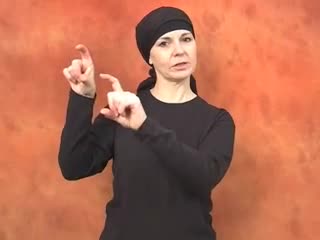
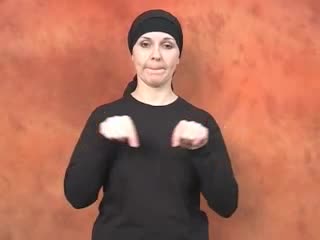
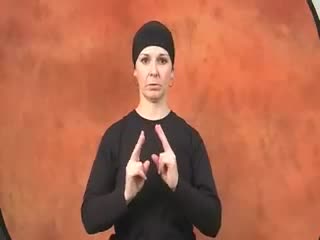
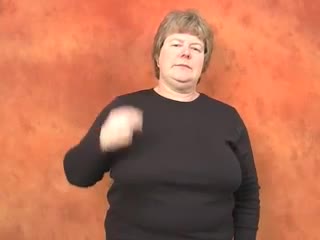
The BSL sign for woven fabric vividly captures the essence of the material itself. It's not just a label; it's a tactile representation, as if you're feeling the texture and structure of a piece of cloth. This sign specifically refers to materials created by interlacing threads, distinguishing it from knitted fabrics or other types of textiles. You'll use it to talk about the physical stuff that makes up clothes, upholstery, or other items, rather than the finished product or the act of making it.
Think of this sign as a nod to the craftsmanship and inherent properties of fabric. The gentle, repetitive movement subtly suggests the process of weaving or the sensory experience of running your hand over a textured surface. It’s a foundational sign for anyone discussing materials, sewing, design, or even just describing the clothes they’re wearing in terms of their composition.
Its core meaning is straightforward: any material that has been woven. This could range from fine silk to sturdy denim, as long as it exhibits that characteristic interlaced structure. Mastering this sign allows you to be specific and descriptive in your BSL conversations about the world around us, particularly when it comes to textiles.
When This Sign Feels Natural
This sign feels most natural when you're specifically talking about the material composition of an item, or when distinguishing between different types of cloth. Imagine you're at a fabric shop, describing the feel of a sample, or explaining a sewing project to someone. "I need some good quality woven fabric for these cushions," or "This jacket is made from a very durable woven fabric." It’s perfect for these descriptive scenarios where the material itself is the focus.
You’ll also find it useful when discussing the properties of textiles, perhaps contrasting a woven material with a knitted one. For instance, explaining why a woven shirt holds its shape differently from a knitted jumper. It’s a general-purpose sign for fabric that carries the specific connotation of being woven, making it ideal for situations where that detail matters. It fits comfortably in everyday conversation, from casual chats about clothing to more technical discussions in craft or design contexts.
However, be mindful of when to use it. If you're simply talking about "clothes" or a specific "shirt," there are other, more direct signs. This sign shines when you need to highlight the fabric's structure. If you’re discussing the act of weaving, a different verb sign would be more appropriate. It's about being precise; this sign is for the noun, the material itself.
What Learners Usually Miss
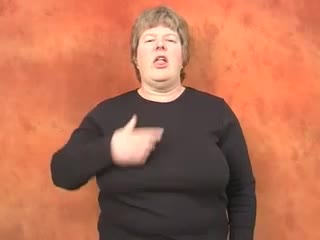
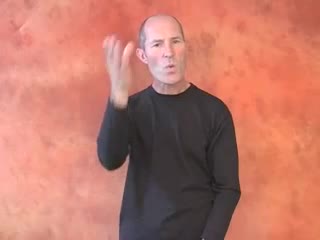
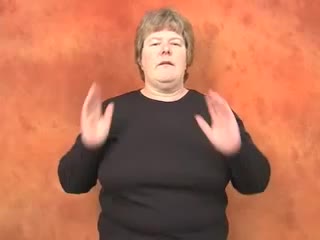
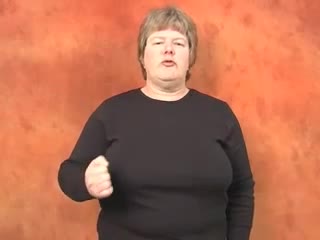
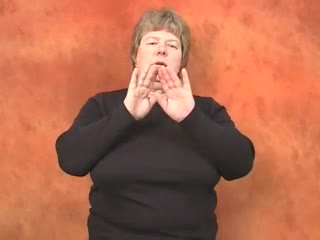
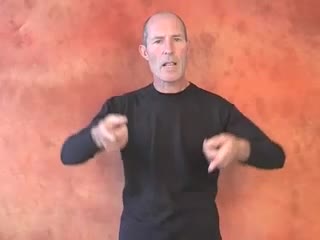
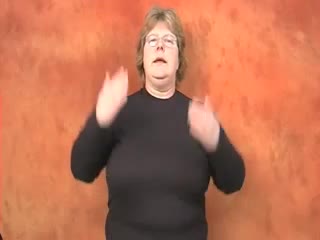
Many learners initially miss the subtle precision in the dominant handshape. It's not just a general 'O' or a 'C' shape. The specific instruction is "thumb, index, and middle fingertips touch, other fingers extended." Those extended fingers are key; they stop the hand from becoming a fully enclosed circle and instead give it a more delicate, pinched, or feeling quality. Practise getting those specific three fingertips to meet lightly, while keeping the ring and pinky fingers naturally extended, not curled in or splayed wide.
Another common oversight is the quality of the movement. The description specifies "brushes gently and repeatedly." It’s not a firm rub or a single, quick stroke. The gentle, sustained repetition is crucial; it conveys the smooth glide over a surface or the repetitive, meticulous nature of fabric creation. Think of it as feeling the texture with a light touch, not scrubbing. If the movement is too aggressive or too brief, it loses that nuanced meaning and can become less clear or even look like a different sign.
Finally, learners sometimes forget the exact location on the non-dominant arm. The sign is performed along the forearm, not up on the bicep or down at the wrist. Keeping it consistently on the forearm reinforces the image of a long piece of material being examined or handled. Ensure your non-dominant hand is a flat B-hand, palm up, providing a clear, consistent surface for the dominant hand to interact with. Getting these details right will significantly improve the clarity and authenticity of your signing.
A Simple Way to Remember It
To easily recall the BSL sign for woven fabric, visualise the action as if you're gently feeling a piece of cloth to assess its texture or running your fingers along a bolt of fabric in a shop. The movement and handshape perfectly mimic this sensory experience, making it intuitive to remember.
- The "Feeling" Hand: Your dominant hand, with its thumb, index, and middle fingertips touching, looks like it's delicately pinching or feeling the individual threads of a fabric. The extended fingers add to the grace of this motion.
- The "Fabric" Arm: Your non-dominant forearm acts as the canvas – a flat, extended surface representing a length of fabric, like a long piece of material waiting to be cut or inspected.
- The "Texturing" Movement: The gentle, repeated brushing motion along your forearm evokes both the repetitive process of weaving threads together and the sensation of stroking a textured fabric to feel its quality.
Short Practice Situations
- I need to buy some strong woven fabric to reupholster this old chair.
- This beautiful scarf is made from a very delicate and lightweight woven fabric, perfect for summer.
- Do you know if this dress is made from a stretchy knitted material or a firm woven fabric?
- The curtains in the living room are a thick, patterned woven fabric that blocks out a lot of light.
Signs to Learn Next
- CLOTHING: This is a general sign for garments. Since most clothing is made from some type of woven fabric, it’s a natural next step to talk about the finished products that use this material.
- WEAVE (verb): This sign refers to the action of creating fabric by interlacing threads. Learning it helps you distinguish between the material (woven fabric) and the process that makes it.
- MATERIAL/TEXTILE: This is a broader, more general term for any kind of fabric or cloth. Understanding this allows you to choose between the specific 'woven' sign and a more encompassing term when needed.
- COTTON / SILK / WOOL: These signs represent specific types of fabric. Often, when you use the sign for "woven fabric," you'll want to specify *what kind* of woven fabric it is, making these excellent follow-up signs.