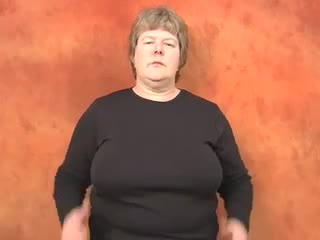
What This Sign Means in BSL
The BSL sign for too is one of those incredibly versatile signs that carries a dual meaning, making it essential for any learner. At its heart, "too" can mean also or in addition, much like when you say, "Me too!" It beautifully captures that sense of inclusion or shared experience. But it also expresses excessiveness or to an extreme degree, as in, "This is too difficult" or "That's too much." Understanding this dual nature is the first step to truly mastering it.
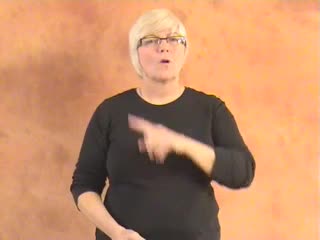
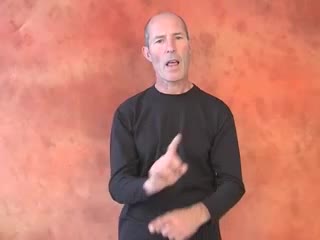
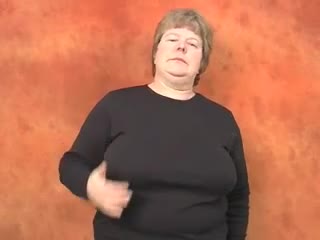
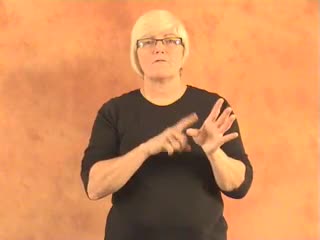
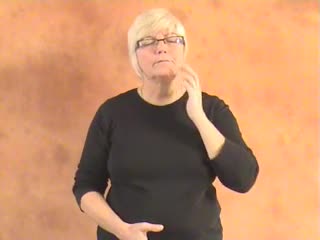
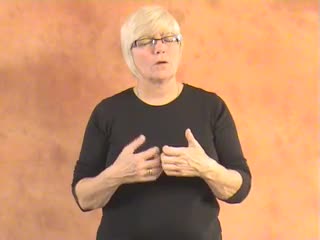
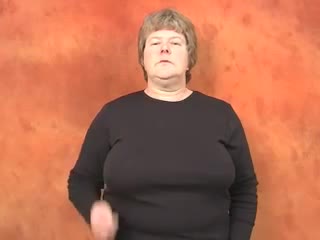
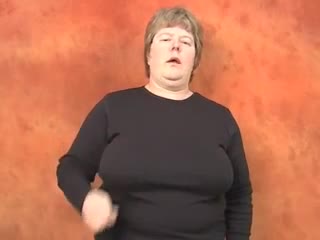
Visually, the sign uses a single, deliberate outward movement from a closed fist, with the thumb resting over the fingers. This motion isn't just arbitrary; it vividly represents pushing something forward, extending an idea, or even pushing something beyond an acceptable limit. When you use it for "also," think of it as extending an agreement or adding yourself to a group. When it signifies "excessive," picture yourself pushing away or expressing an overflow.
What truly brings this sign to life, as with so many in BSL, are the non-manual features (NMFs). For "also," a slight nod or a gentle, affirming facial expression often accompanies the sign. When expressing "too much" or "excessive," your face will naturally reflect it-perhaps a slight scrunch of the nose, widened eyes, or a subtle shake of the head to convey disapproval or struggle. These subtle cues are absolutely critical for distinguishing between its two core meanings without ambiguity.
When This Sign Feels Natural
You’ll find yourself reaching for this sign constantly in everyday BSL conversations. It feels most natural when you're agreeing with someone ("I like that film," and you sign "ME TOO!"), or when you're requesting inclusion ("Are you going to the shop? Can I come TOO?"). It’s a very common, foundational sign for building rapport and participating actively in dialogue, making it one of the first signs many people learn to use comfortably in social settings.
The sign also naturally fits situations where you're describing something as being beyond an acceptable or desirable point. For example, if a task is overwhelming, you’d sign, "This is TOO DIFFICULT." If the music is blaring, "That's TOO LOUD!" In these instances, the intensity of your outward movement and, crucially, your facial expression, will amplify the feeling of excess. It’s here that the sign often carries a slightly negative or critical connotation, expressing a problem rather than just a quantity.
While "too" is incredibly versatile, there are times when a different sign might feel more appropriate. If you simply mean "very" without the implication of excess ("It's very hot" rather than "It's too hot to bear"), other signs for intensity would be better. Similarly, if you're talking about simply adding an item or concept without the "also" nuance, a sign like `ADD` or `PLUS` might be a clearer choice. Always consider the precise nuance you wish to convey; "too" is powerful but specific.
What Learners Usually Miss
One common pitfall for learners is confusing "too" (excessive) with signs like `VERY` or `MUCH`. While they all convey intensity or quantity, "too" usually implies a negative consequence or an undesirable amount. For instance, `VERY HOT` is simply a strong description of temperature, whereas `TOO HOT` suggests it's unbearable or problematic. Mastering this distinction means paying close attention to the context and, especially, to your non-manual features, which truly differentiate a description from a complaint.
Another subtle but crucial element often overlooked is the *deliberate* nature of the movement. The sign for "too" isn't a quick flick or a gentle wave; it's a clear, purposeful outward push. If the movement is too soft, too fast, or lacks conviction, it can lose its intended impact or even be misread as a different sign. Practice that firm, controlled extension to ensure your meaning is clear and emphatic, whether you're agreeing or expressing excess.
Finally, learners sometimes overuse "too" when other, more precise signs would enhance clarity. For example, while "me too" is perfectly valid, if you're trying to convey "again" or "in addition" in a different grammatical structure, alternative signs might fit better. Also, pay attention to the precise location: mid-neutral space, slightly forward of your dominant shoulder. Signing it too high, too low, or off to the side can make it less natural or even distort its meaning in the rhythm of BSL conversation.
A Simple Way to Remember It
Imagine your closed fist as holding an idea, a quantity, or an agreement. The outward movement is like pushing that idea further-either pushing it forward to join in ("me too!") or pushing it beyond an acceptable point ("that's too much!"). It's a clear, decisive action that adds emphasis or indicates an extreme.
- Think of pushing out an agreement: "Yes, I feel that way *too*!"
- Visualise pushing away something excessive: "No, that's *too much*!"
- The strong, closed fist conveys a solid, undeniable statement, whether it's an affirmation or a declaration of excess.
Short Practice Situations
- "I'm going to the park. Do you want to come *too*?"
- "This music is *too* loud; I can't concentrate."
- "She said she loves chocolate, and I do *too*!"
- "Be careful, the oven is *too* hot to touch right now."
- "I think you're working *too* many hours this week."
Signs to Learn Next
- ALSO: While often interchangeable with "too" for inclusion, `ALSO` can sometimes feel more formal or specifically about adding an item to a list, whereas "too" often carries a more personal or emotional resonance, especially in agreement.
- VERY: This sign is crucial for distinguishing simple intensity from excess. `VERY` describes a high degree without implying negativity, which is a key nuance that "too" often carries when used in its 'excessive' sense.
- MUCH / MANY: Learning these signs helps you clarify when you're talking about a large quantity versus an *excessive* or problematic quantity. "Too much" combines "much" with the 'excessive' aspect of "too."
- ENOUGH: This is a direct conceptual opposite of "too much." Understanding `ENOUGH` helps frame the boundaries and acceptable limits, providing a useful contrast to the idea of exceeding those limits.
- AGAIN: In some contexts, `AGAIN` can overlap with the "also" meaning of "too," particularly when you're repeating an action or thought. It’s useful to see how different signs can express similar concepts with varying shades of meaning.