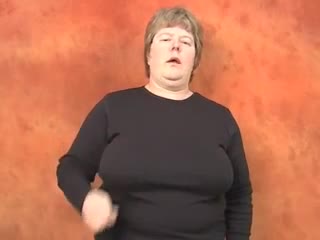
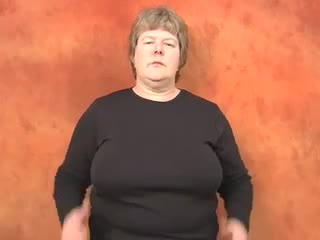
What This Sign Means in BSL
The BSL sign for later is a fundamental building block in British Sign Language, essential for navigating time and sequencing events in conversation. At its core, it signifies "at a subsequent time" or "afterward," indicating a point in the future relative to the present moment or a previously established reference point. It’s a wonderfully adaptable sign that allows you to express postponement, future plans, or simply a temporal shift without needing to specify an exact time.
Think of it as a conversational placeholder for "not now, but sometime ahead." Its meaning is generally neutral, but like many signs, its nuance can be subtly influenced by your facial expression and body language. A gentle, smooth movement often conveys a relaxed "see you later," while a more emphatic motion might suggest a firm "I'll deal with that later." Understanding this versatility is key to using it effectively in various social contexts.
This sign is an everyday workhorse in BSL. You'll find yourself using it constantly, whether you're making plans with friends, deferring a task, or simply indicating that something will happen at a non-immediate future point. Mastering its straightforward form and flexible application will significantly enhance your ability to construct clear, natural temporal narratives in your BSL communication.
When This Sign Feels Natural
You'll find the BSL sign for later feels incredibly natural in a wide array of everyday situations. It’s perfect for casual farewells, like when you’re leaving a friend's house and want to say, "See you later!" It’s also the go-to sign for suggesting a future meeting or action without committing to a precise time, such as "Let's catch up later this week" or "I'll send you the details later." Its simplicity lends itself well to informal and semi-formal conversations.
This sign is particularly useful when you need to postpone something politely. If someone asks for your attention but you’re currently occupied, a simple "later" can effectively communicate that you’re not available right now but will be available at an unspecified future point. It helps manage expectations and keeps the conversational flow smooth, preventing the need for more complex explanations.
While "later" is versatile, there are times you might opt for a more specific sign or phrase. If you mean "much later" or "in the distant future," you might modify the sign with a more extended movement or choose an entirely different sign for "future." Similarly, if you need to be precise, such as "later this evening" or "later today," you'd typically combine "later" with the specific time sign (e.g., NIGHT + LATER or TODAY + LATER) rather than relying solely on "later" to convey the exact moment.
What Learners Usually Miss
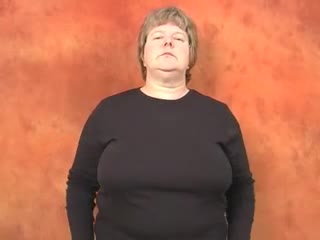
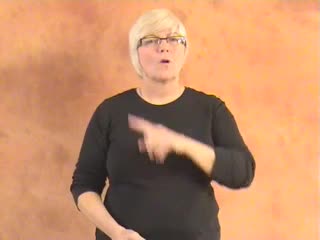
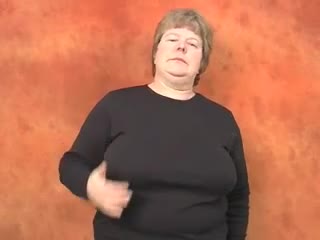
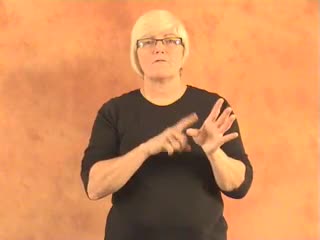
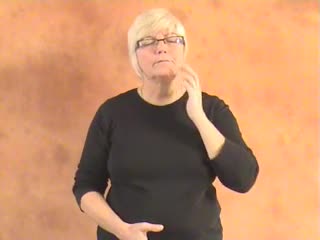
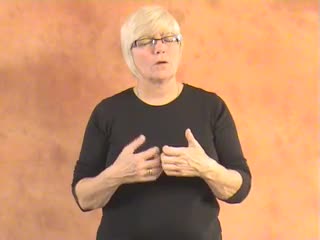
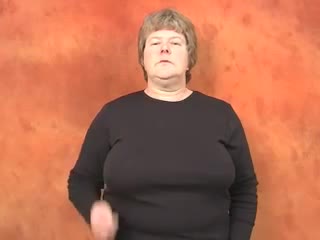
One common pitfall for new learners of the BSL sign for later is confusing its directionality, or making the movement too short or jerky. The sign starts near your dominant shoulder or chest and moves distinctly forward in a smooth, continuous arc. This forward motion is crucial, as it symbolizes moving time away from the present and into the future. A movement that feels hesitant, too short, or pulls the hand back towards the body can easily be misinterpreted, perhaps even suggesting "past" or "before" with different handshapes.
Another subtle but important aspect often overlooked is the natural rhythm and flow of the sign. The movement should be smooth and unforced, reflecting the natural progression of time. Avoid sharp, abrupt motions, which can make the sign look tense or unclear. The open hand with fingers together, thumb alongside, should maintain its shape throughout the arc. Pay attention to the start and end points – beginning closer to the body and extending outwards, away from you, signifying the future.
Finally, learners sometimes forget that while the sign itself is neutral, context and facial expression are vital. A blank or questioning expression when signing "later" can make your meaning unclear. If you're happily saying "See you later!", let your face show that warmth. If you're sighing "I'll do it later..." because you're procrastinating, your expression should convey that weariness. The sign alone provides the temporal marker; your face and body language add the emotional and contextual depth.
A Simple Way to Remember It
To help this sign stick in your memory, think of it as pushing time gently forward from yourself, into the future. It’s a very logical and intuitive movement once you connect it to the concept of time moving onward.
- Pushing Time Forward: Imagine you are gently pushing a segment of time away from yourself, into the future. The hand starts near your body and extends outward, visually representing time moving ahead.
- Open Hand, Open Future: The open handshape can be seen as an open invitation or an open pathway to what's coming next. It's not a closed fist of finality, but an open hand ready for what "later" brings.
- The Arc of Time: The smooth, arcing movement visually traces the path time takes from the present moment to a future point. It’s a continuous, flowing motion, just like time itself.
Short Practice Situations
- "I'm quite busy right now, but I can definitely help you with that project later this afternoon."
- "We’ve run out of milk. Could you pick some up later when you go to the shops?"
- "I really enjoyed our chat; I hope we can catch up again later in the week."
- "I need to finish this report first, then I'll call you later to discuss the details."
- "The movie starts at 7 PM, so let's meet for dinner a bit later, around 9 PM."
Signs to Learn Next
- NOW: Learning "NOW" immediately after "LATER" helps to cement both concepts by understanding them as direct temporal opposites. "NOW" often involves a quick, immediate motion, contrasting with "LATER's" forward arc.
- SOON: This sign is closely related as it also refers to the near future, but with a greater sense of immediacy than "later." Understanding the difference helps you express urgency more precisely.
- TOMORROW: While "later" is general, "TOMORROW" specifies the very next day. Learning this helps you build a more concrete timeline for future events.
- WAIT: Often, if you say something will happen "later," you're implicitly asking someone to "WAIT." These two signs frequently appear together in conversations about timing.
- AFTER: This sign helps sequence events, indicating one thing happens subsequent to another, much like "later" places an event subsequent to the present.