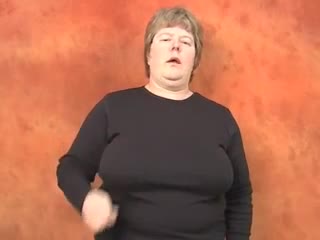
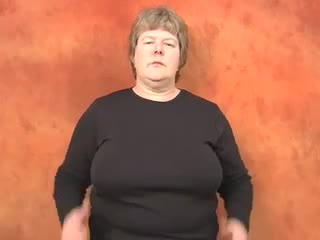
What This Sign Means in BSL
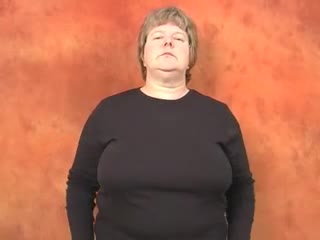
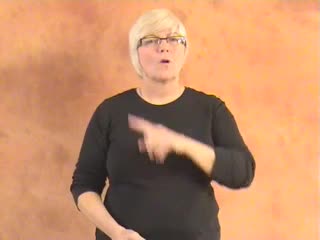
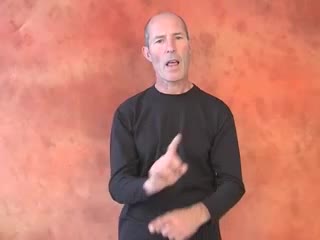
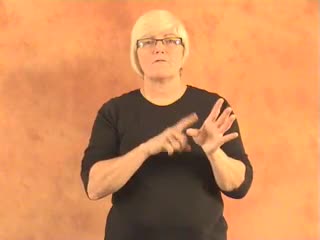
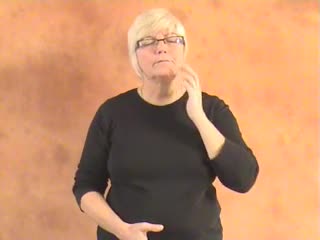
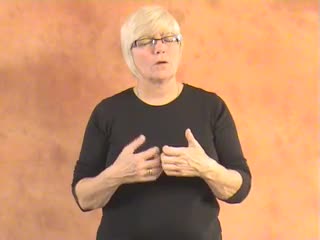
The BSL sign for maybe is wonderfully direct, embodying the very essence of uncertainty and possibility. At its core, it signifies "it could be" or "it might happen," sitting comfortably between a definite "yes" and a firm "no." Visually, the gentle, rhythmic rocking of the hand is a physical representation of being "on the fence," unable to commit entirely to one side or the other. It's a sign that conveys a natural hesitance without necessarily implying negativity or strong doubt.
This sign is particularly valuable because it allows you to express nuanced agreement or disagreement. It’s not just about the word "maybe" as an adverb; it's about conveying an open-ended state, a situation where factors are still in flux, or a decision hasn't been fully made. Unlike some signs that carry strong emotional weight, "maybe" tends to be quite neutral on its own, with its exact tone often being shaped by your accompanying facial expression.
What makes this sign so effective is its simplicity and universal recognition among BSL users. Once you grasp the handshape and movement, you'll find it incredibly useful for navigating everyday conversations where definitive answers aren't always possible or appropriate. It's a foundational sign for expressing flexibility and acknowledging unresolved situations in a clear, concise manner.
When This Sign Feels Natural
You'll find the BSL sign for maybe feels most natural in situations where you genuinely don't have a concrete answer or want to keep your options open. Think about responding to an invitation: "Are you coming to the party on Saturday? Maybe, I'll check my rota." It's perfect for expressing that you're considering something but haven't committed. It's also ideal when discussing future plans or possibilities where external factors could influence the outcome, like weather predictions or someone else's availability.
This sign is versatile across different registers. You can use it informally with friends when discussing casual plans, or more formally in a professional context when you need to indicate that a decision is pending or requires further thought without giving a definitive "no." The key is that the uncertainty is genuine. If you're trying to politely decline or express strong doubt, other signs might be more appropriate. "Maybe" truly shines when you're indicating a legitimate 50/50 chance or an unresolved status.
Consider using "maybe" when you're asked for an opinion on something you haven't fully formed a view on, or when you're suggesting an idea without pushing it too hard. For example, "Should we try that new café? Maybe, if it's not too busy." It allows for a gentle, non-committal contribution to a conversation, keeping the dialogue open rather than shutting it down with a firm answer.
What Learners Usually Miss
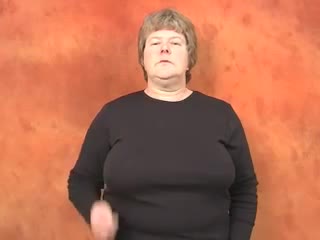
One common mistake learners make with the BSL sign for maybe is not getting the movement quite right. It's a gentle, continuous rock, not a sharp, distinct waggle or a static hold. Some learners might hold the hand still and just move the wrist slightly, or make the movement too stiff and abrupt. The natural fluidity of the rocking motion is crucial; it’s what visually communicates the idea of swaying between options. Practise making the movement smooth and relaxed, letting the hand rock evenly from side to side.
Another subtle but significant element often overlooked is the accompanying facial expression. While "maybe" can be neutral, a blank or overly confident face can actually obscure the intended meaning of uncertainty. A slightly raised eyebrow, a thoughtful gaze, or a hint of a questioning look on your face will significantly enhance the sign's clarity. Your facial expression works in tandem with the hand movement to truly convey that you're in a state of consideration, not just performing a gesture. Avoid a completely neutral face, as it can sometimes be misread as a definite "no" or a lack of engagement.
Finally, learners sometimes overuse "maybe" when a more precise sign would be better. If you mean "perhaps" (a slightly softer, more polite suggestion) or "possibly" (implying a stronger likelihood), there are different signs that convey those nuances more accurately. "Maybe" is best reserved for when the outcome is genuinely uncertain or equally balanced between possibilities. Pay attention to the context and what degree of probability you truly want to express, and don't be afraid to explore other related signs that offer more specificity.
A Simple Way to Remember It
Think of the sign "maybe" as your hand trying to make up its mind. The gentle rocking motion perfectly captures the feeling of indecision, as if your hand is weighing two options, swaying back and forth without fully committing to either side. It’s like a visual shrug of the shoulders, but specifically for uncertainty.
- The "On the Fence" Hand: Imagine your hand is a small person sitting on a fence, gently rocking side to side, unable to decide which side to jump off on.
- Weighing Options: Picture a tiny set of scales in your palm, gently tilting left and right as you weigh different possibilities. The movement is light, reflecting the thought process.
- Hesitation in Motion: Your hand can't quite settle. It's always in flux, just like a thought that hasn't reached a conclusion. The continuous, gentle rock is key to this.
Short Practice Situations
- Your friend asks, "Are you free to grab coffee tomorrow morning?" You respond, "Maybe, I need to check my work schedule first."
- Someone proposes, "Let's try cooking that complicated recipe tonight." You sign, "Maybe, it looks like it has a lot of steps!"
- Your family member asks, "Do you think the new film will be good?" You sign, "Maybe, I haven't heard much about it yet."
- A colleague asks, "Can you help me with this report before lunch?" You respond, "Maybe, let me finish this email first and I'll see."
- You're discussing holiday plans: "Should we go to the beach or the mountains?" You sign, "Maybe, I like both options."
Signs to Learn Next
- POSSIBLE / POSSIBILITY: This sign often conveys a stronger sense of likelihood than "maybe." It's great for when something is definitely within the realm of what could happen.
- PERHAPS: Similar in meaning to "maybe," but often used in BSL to suggest something more politely or tentatively, often indicating a slightly higher degree of possibility or a gentle suggestion.
- SOMETIMES: Crucially different in movement and context, "sometimes" refers to frequency, not uncertainty. Learning this helps you avoid common confusion with "maybe."
- UNCERTAIN / NOT SURE: While "maybe" expresses the outcome, "uncertain" or "not sure" expresses your internal state or feeling about that outcome. These signs often accompany "maybe" for added emphasis.
- YES / NO: The definitive answers. Understanding these helps contextualise "maybe" as the middle ground between a firm affirmation and a clear denial.