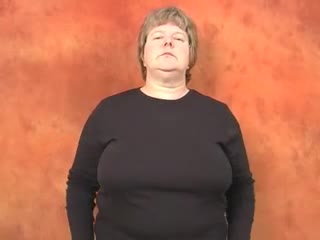
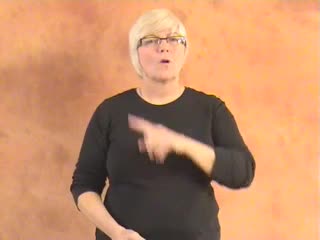
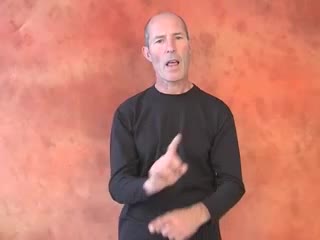
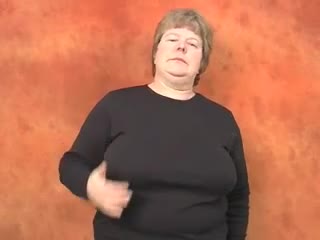
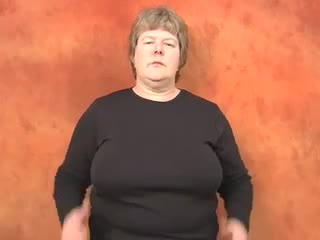
What This Sign Means in BSL
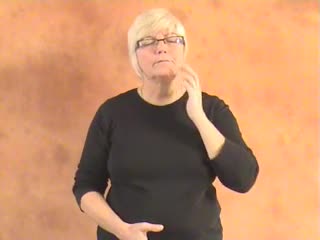
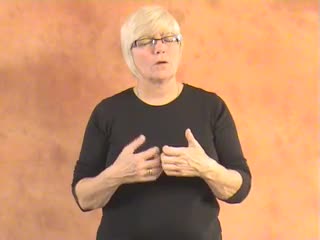
The BSL sign for very is a wonderfully versatile tool that adds significant emphasis and intensity to your signing. It acts as an adverb, allowing you to amplify adjectives, adverbs, and sometimes even verbs, much like its spoken English counterpart. When you use this sign, you're not just stating a fact; you're expressing a strong degree of that fact. Think of it as painting with a bolder brushstroke, making your descriptions more vivid and your feelings more pronounced.
What makes this sign so impactful isn't just the handshape and movement, but how it interacts with your facial expression. Without the right accompanying facial grammar, the sign can lose much of its meaning. A positive "very" (e.g., "very good") often comes with bright eyes and a slight smile, while a negative "very" (e.g., "very bad") might feature furrowed brows or a downturned mouth. This visual layering of meaning is a core characteristic of BSL and truly brings the sign for "very" to life.
This sign is a foundational piece in BSL communication. You'll find yourself reaching for it constantly to convey strong opinions, intense feelings, or simply to make a point more forcefully. It's a sign that empowers you to express nuance and depth, moving beyond basic statements to truly articulate the degree of something. Mastering its usage, especially with appropriate facial grammar, will significantly enhance your expressive capabilities in BSL.
When This Sign Feels Natural
You'll find the sign for very feels most natural when you want to express a strong opinion or an elevated degree of something. Imagine describing a meal that was exceptionally delicious – you wouldn't just say "good," you'd sign "very good." It's perfect for conveying strong emotions like "very happy" or "very sad," where the intensity of the feeling is key to the message. It fits seamlessly into everyday conversations, adding colour and precision to your descriptions of people, places, and experiences.
This sign also comes into its own when you're giving feedback or making a judgment. If a task was particularly challenging, you might sign "very difficult." If you're impressed by someone's skill, you'd sign "very clever." It’s generally an informal sign, but its versatility means it can adapt to slightly more formal contexts too, as long as the surrounding signs and facial expressions maintain an appropriate register. It’s about adding conviction to your statements, making sure your audience understands the depth of what you're trying to convey.
While very is incredibly useful, sometimes BSL offers alternatives for ultimate impact. For instance, rather than "very fast," you might repeat the sign for FAST multiple times, or use a specific sign for "rapid" or "lightning speed" if one exists and fits the context better. However, for general intensification across a broad range of adjectives and adverbs, "very" remains your go-to. It’s a workhorse sign that effectively communicates a high degree of quality, quantity, or feeling without needing more specific, less common signs.
What Learners Usually Miss
One of the most common oversights learners make with the sign for very is neglecting the crucial role of facial expression. It’s easy to focus solely on the handshape and movement, but without the correct facial grammar, the sign loses its power. A neutral face while signing "very good" might make it seem sarcastic or unconvincing. Remember to match your facial expression to the emotion or intensity you're conveying – wide eyes and a smile for positive emphasis, furrowed brows for negative, and so on. Your face is an integral part of this sign, not an optional extra.
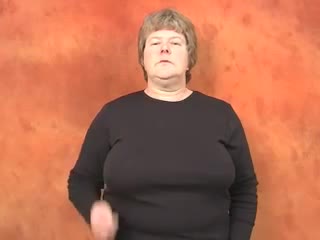
Another subtle point often missed is the sharpness and direction of the movement. The sign isn't a gentle push; it’s a distinct, sharp flick forward and outward from near your mouth or chin. This decisiveness is what signals the intensity. A weak or hesitant movement can dilute the meaning, making your "very" feel more like a mild "quite." Practice making the movement clear, confident, and with a definite end point. The energy in your movement should reflect the intensity of the word you're modifying.
Finally, learners sometimes overuse very, directly translating from spoken English. While it’s a powerful intensifier, BSL often employs other strategies for emphasis. Repetition of an adjective can achieve a similar effect (e.g., signing BIG, BIG, BIG for "very, very big"). Sometimes, a different, more specific sign might be available that inherently carries a stronger degree of meaning. Pay attention to how native BSL signers use "very" – they often reserve it for moments when a clear, direct intensification is needed, rather than using it for every instance where English might.
A Simple Way to Remember It
Think of the sign for very as a precise, impactful statement. The handshape, with your index finger and thumb forming a small, focused circle, is like you're pinpointing exactly what you mean to intensify. Then, that sharp, forward flick is like you're punctuating your statement with conviction, pushing the emphasis out to your audience. It all comes together near your mouth, as if you're articulating the core of your feeling with precision and force.
- The Focused Circle: Imagine your handshape creating a tiny, precise lens, focusing intensely on the adjective or adverb you're about to amplify. It's about being exact in your emphasis.
- The Sharp Flick: This movement is like an exclamation mark for your words. It pushes the meaning forward with energy and certainty, ensuring your audience feels the strength of your statement.
- Near the Mouth: Placing the sign near your mouth or chin connects it to articulation and speech, as if you're verbally underlining the intensity of what you're communicating.
Short Practice Situations
- That film was very good; I enjoyed every minute of it.
- I'm feeling very tired today after staying up so late last night.
- The weather outside is very cold, make sure you wear a warm coat.
- She was very happy to receive the surprise gift from her friends.
- Learning BSL can be very rewarding once you start to communicate.
Signs to Learn Next
- GOOD: This is a perfect companion sign to very, as you'll often want to express "very good" in various contexts. Mastering both together will enhance your descriptive power.
- BAD: Just like "good," "bad" is frequently intensified. Practising "very bad" with appropriate facial expressions will build your ability to convey a wide range of emotions.
- HAPPY: Emotions are often expressed with intensity. Learning "very happy" will help you articulate strong positive feelings, using the facial grammar that's so vital for "very."
- TIRED: Another common feeling that often requires emphasis. Combining "very" with TIRED allows you to clearly communicate a high degree of fatigue, which is useful in many daily interactions.
- REALLY/TRULY: While very is a strong intensifier, exploring other adverbs like REALLY or TRULY (if distinct BSL signs exist) can offer slightly different nuances in emphasis and conviction, expanding your expressive range even further.