What This Sign Means in BSL
The BSL sign for little is a wonderfully versatile tool in your signing vocabulary, often expressing concepts of a small amount, a brief duration, or a slight degree rather than just physical size. While in English, "little" can be an adjective describing something tiny, in BSL this particular sign frequently functions more like an adverb or noun, indicating "a bit of," "a short while," or "just a touch." It’s less about describing a "little car" and more about requesting "a little time."
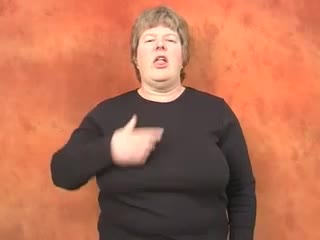
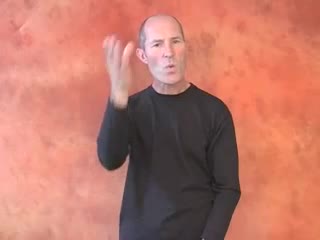
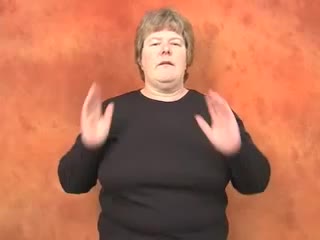
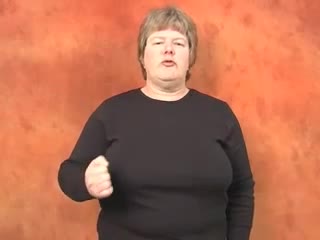
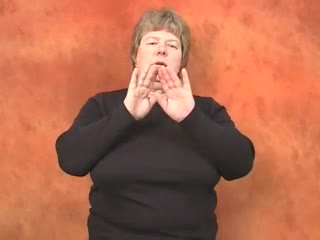
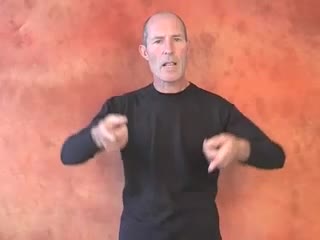
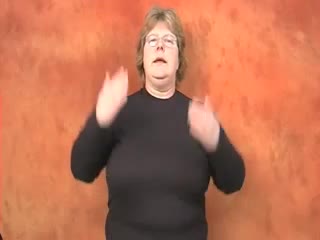
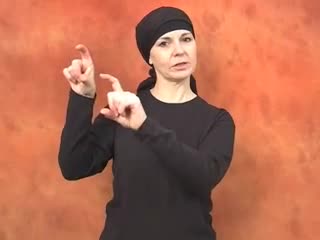
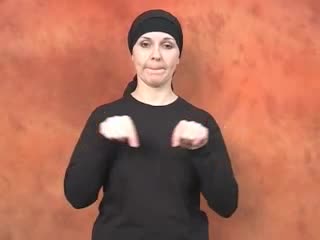
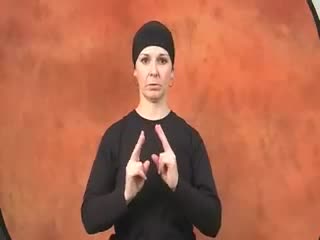
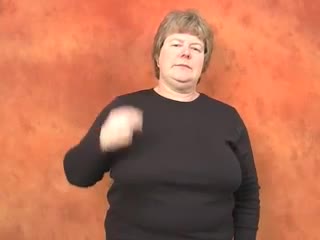
Picture your dominant hand forming a 'G' handshape – that's your index finger extended, with the thumb touching the side of the palm, much like you're pointing but with a subtle curve. The magic happens with the movement: a repeated, short, and slight bending or twisting motion. This small, contained movement perfectly embodies the idea of something minimal, constrained, or not expansive. It's a sign that communicates 'just enough,' 'not much,' or 'a brief moment,' making it incredibly useful for softening requests or expressing subtle nuances.
This sign carries an inherently informal and conversational tone. It's the kind of sign you'll use daily to express small quantities of abstract concepts like patience, effort, or information. It doesn't demand strong facial expressions or large movements; its subtle nature is part of its charm and meaning. Understanding this core function – focusing on quantity, duration, or degree – will unlock its true potential in your BSL conversations.
When This Sign Feels Natural
You'll find this sign feels most natural in situations where you're talking about something intangible or when you want to soften a request or statement. Think about asking for "a little more patience" or admitting you have "a little problem." It’s perfect for expressing small quantities of non-countable things, or for indicating a short period of time. It fits beautifully into everyday chats, making your BSL feel much more fluid and human.
Consider its use when you want to express modesty or understatement. For example, instead of saying something is "difficult," you might sign "it's a little difficult" to convey that it's challenging but manageable. This sign often implies a degree of nuance, suggesting something is not extreme but rather moderate. It's a go-to sign when you're gauging a reaction or trying not to make a big deal out of something.
When you're discussing time, this sign is indispensable. If you need "a little while" to finish something, or want to say you'll "be back in a little bit," this is the sign to reach for. It neatly packages the idea of a short, unspecified duration without needing to state exact minutes or hours. You'll notice native signers using it to manage expectations or to express a brief pause in a narrative.
What Learners Usually Miss
One of the most common pitfalls for learners is conflating this sign with the concept of "small" as an adjective for physical objects. While "little" in English can describe a tiny cat, the BSL sign for "little" we're discussing here is predominantly about amount or duration, not the physical dimensions of something concrete. If you want to describe a physically small object, you'd typically use a different sign like SMALL or incorporate BSL classifiers to show size. Remember, this sign is for "a little bit of sugar," not "a little house."
The movement of this sign is crucial and often gets exaggerated or simplified by new learners. It's described as a "repeated short, slight bending or twisting movement." The emphasis is on short, slight, and repeated. Some learners might make the movement too large, too slow, or only perform it once. This can change the meaning to something like "a long time" or "a big problem" if the movement isn't precise. Practice keeping the movement compact and consistent, reinforcing that sense of "just a bit."
Another subtlety often missed is the appropriate facial expression. Because this sign often refers to something small, slight, or a short duration, the accompanying facial expression is rarely dramatic. It's often neutral, or subtly reflects the emotional context – a slight hint of worry if it's "a little problem," or a gentle, reassuring smile if it's "a little wait." Overly strong or mismatched facial expressions can feel unnatural with this subtle sign, so aim for congruence between your hand and your face.
A Simple Way to Remember It
To really embed this sign in your memory, try to connect its physical form and movement to the idea of something contained, minimal, or short-lived. It’s like a visual shorthand for "just a small portion."
- The "Measuring Finger": Imagine your extended index finger as a small measuring stick or a dipping finger, indicating "just a little bit" of something. The bending or twisting motion is like you're subtly testing the water or indicating a tiny amount.
- The "Contained Gesture": The handshape with the index finger isolated in neutral space, performing a small, repeated movement, feels like it's keeping something "under wraps" or indicating a limited quantity. It's not reaching out expansively but staying compact.
- The "Quick Nod": Think of the repeated bending motion as a tiny, quick nod – not a full agreement, but a subtle acknowledgement of "a little bit" or "a short moment." The repetition solidifies the idea of an ongoing, yet minimal, state.
Short Practice Situations
- Could you please just wait a little bit longer for me to finish this?
- I only need a little sugar in my coffee to make it perfect.
- I'm feeling a little tired today after that early start this morning.
- Don't worry too much, it's just a little problem and we can figure it out.
- Could you give me a little help with carrying these boxes upstairs?
Signs to Learn Next
- SMALL: While "little" refers to quantity/duration, SMALL is often used for the physical size of objects or people. Learning SMALL helps you differentiate when to describe physical dimensions versus abstract amounts.
- FEW: This sign is excellent for specific, countable items when you mean "not many." It builds on the concept of limited quantity that "little" introduces, but for distinct units.
- SOME: Similar to "little" in expressing an unspecified amount, SOME is generally for a larger, more indefinite quantity than "little." It's a natural progression for discussing varying amounts.
- WAIT: Often used in conjunction with "little" (e.g., "wait a little"), learning WAIT will allow you to combine signs to express requests for short delays more effectively.
- TIME: As "little" frequently modifies duration, understanding the sign for TIME allows you to expand on expressing "a little time," "more time," or "no time" in various contexts.