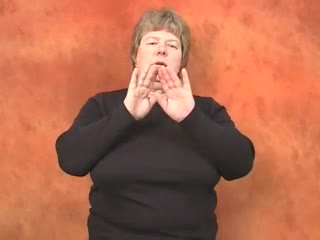
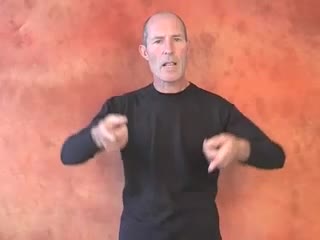
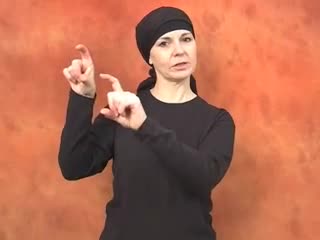
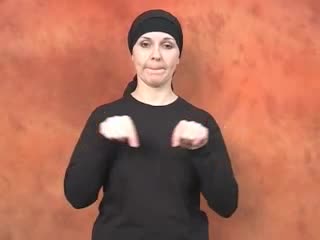
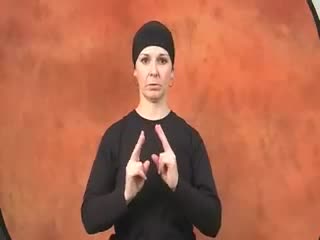
What This Sign Means in BSL
The BSL sign for pain is remarkably direct and visually impactful, immediately conveying a sense of physical discomfort. It’s not a generic gesture for feeling bad; instead, it specifically points to and embodies a sensation of hurt. This sign is foundational for expressing anything from a sharp, acute sting to a more profound, internal ache.
What makes this sign so effective is its ability to physically mimic the feeling it describes. The focused handshape and precise movement are designed to draw attention to where and how a person is experiencing distress. It’s a powerful tool in communication, allowing you to articulate discomfort with clarity and emphasis.
Think of it as a sign that cuts straight to the chase – when you need to communicate that something hurts, this sign leaves little room for misinterpretation. It’s a core vocabulary item that empowers conversations about health, injury, and general well-being within the BSL community.
When This Sign Feels Natural
The BSL sign for pain feels natural in nearly any context where you need to communicate physical discomfort. Whether you’re at home telling a family member about a sudden twinge, or in a medical setting trying to describe persistent discomfort to a healthcare professional, this sign is universally understood. It’s a go-to sign for expressing that a part of your body is not feeling right.
Its versatility shines through because you can adapt its location and intensity. If your head is throbbing, you sign it at your head. If your stomach is cramping, you sign it there. This adaptability makes it incredibly useful for describing everything from a minor bruise to a more serious internal issue. It’s a direct and honest way to share what you're experiencing.
While "pain" is broad, it’s important to remember that BSL offers nuances. If you’re describing a dull, constant ache rather than a sharp pain, you might slightly modify the movement or combine it with a facial expression that conveys less intensity. However, for the general concept of "it hurts," this sign is your primary choice, providing a clear signal that attention is needed.
What Learners Usually Miss
A common oversight for new learners when using the BSL sign for pain is neglecting the crucial role of **facial expression**. You might execute the handshape and movement perfectly, but without a corresponding look of discomfort – a wince, furrowed brows, or a tightened mouth – the sign loses significant impact and authenticity. The face is not just an accessory; it’s an integral part of conveying the intensity and sincerity of your pain.
Another subtlety often missed is the **intensity and rhythm** of the movement. A sharp, quick, singular jab typically signifies acute, sudden pain, like a sudden cramp or a bump. In contrast, a slower, more deliberate, or repeated movement can convey a dull, throbbing, or chronic ache. Avoid a monotonous, mechanical performance; let the rhythm and force of your sign accurately reflect the nature of the pain you’re describing.
Finally, learners sometimes overlook the importance of **specific location**. While the abdomen is a common starting point for practice, the power of this sign comes from its ability to pinpoint *exactly* where the discomfort is. If your knee hurts, sign it at your knee. If your shoulder is sore, sign it at your shoulder. This precision is vital for clear communication about physical sensations, ensuring that your message is both clear and unambiguous.
A Simple Way to Remember It
To truly embed the BSL sign for pain in your memory, think about how its physical form directly mimics the sensation itself, making it incredibly intuitive.
- The Pointing Finger: Imagine your extended index finger is literally pointing to, or even poking, the exact spot that hurts. It’s like you’re saying, "The discomfort is *right here*."
- The Jabbing Motion: The movement feels like a sharp, insistent jab or a twisting sensation. Picture it as the feeling of pain *intruding* or *grinding* within your body, a sensation that demands your attention.
- Direct Location: Always link the sign directly to *where* the pain is. If you're talking about a headache, sign at your head. This direct and physical connection ensures that the sign isn't just an abstract concept, but a clear indicator of a specific hurt in a specific place.
Short Practice Situations
- You've just accidentally hit your elbow very hard. How would you sign that you're experiencing sharp pain in your elbow?
- Imagine you need to tell a friend that you have a dull, persistent pain in your lower back from lifting heavy boxes.
- A family member asks how your foot is feeling after a long walk. Sign that you have some aches and pain in your arch.
- You are describing to a colleague how you got a sudden, sharp pain in your side while exercising.
- Someone asks if you're okay because you look uncomfortable. Sign that you have a general feeling of widespread body pain.
Signs to Learn Next
- SICK / ILL: Often, pain is a symptom of a broader illness. Learning "sick" or "ill" allows you to express the overall state of feeling unwell, providing context for your pain.
- HURT / INJURY: While "pain" describes the sensation, "hurt" or "injury" refers to the cause or result of physical damage. These signs are often used together to explain both the event and the resulting feeling.
- ACHE: For a more specific type of dull, continuous discomfort, "ache" is an excellent sign to distinguish from sharp or acute pain, adding precision to your descriptions.
- DOCTOR / HOSPITAL: If you're discussing pain, you might also be discussing seeking medical help. These signs are essential for navigating health-related conversations and care.
- FEELING (GENERAL): Understanding the general sign for "feeling" or "sensation" provides a valuable framework for discussing a wide range of physical and emotional states, including how pain impacts your overall well-being.