Speed
0
Practice reps times watched

Create a free account to keep your watch history and review plan.

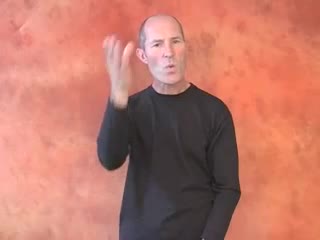
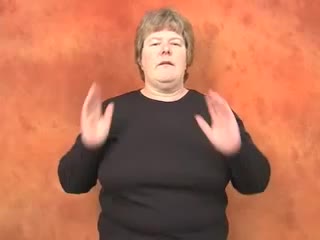
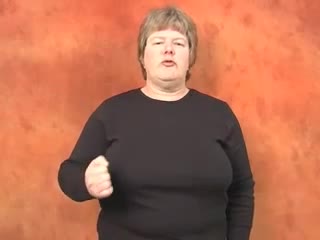
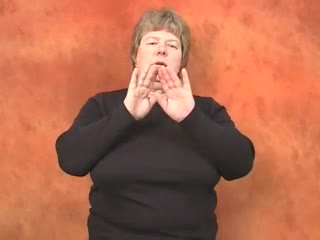
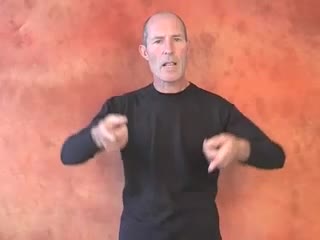
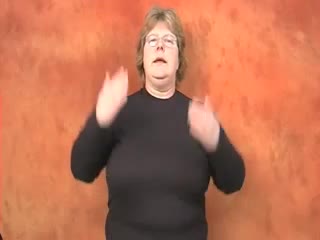
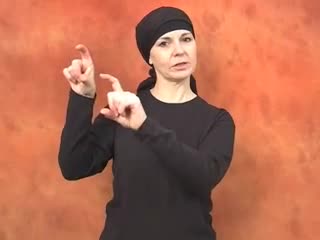
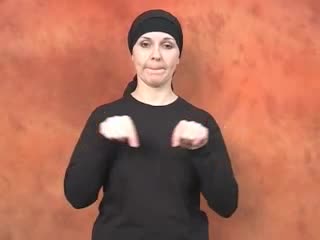
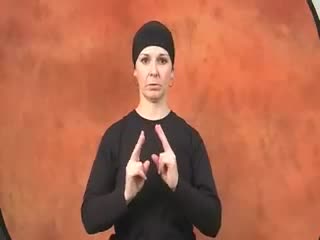
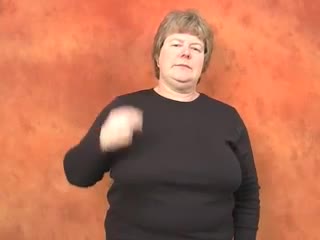
Best practice Use mirror mode, then watch the frame breakdown below to catch the start, movement, and finish cleanly.
Video via SpreadTheSign  - Free educational resource BSL
Updated April 24, 2026
British Sign Language (BSL) 🟢 Beginner 📊 A1 ⚡ Very Common Noun

doctor

A medical professional who diagnoses and treats illness

Source-linked video Step-by-step guide Context and safety notes
Synonyms
Physician medical doctor
Antonyms
Patient (conceptually)
Difficulty
Not rated yet

Create a free account to save this sign, keep your watch history, and unlock a one-note journal preview.

How to sign it
Handshape
Dominant hand: index finger extended, other fingers curled, thumb alongside
Location
On the non-dominant wrist
Movement
Tapping motion
Palm Orientation
Dominant palm generally faces inwards or towards the non-dominant arm
Facial Expression
Neutral facial expression
🔁 Spaced Review Try it free

How well do you know this sign?

DOCTOR
Your Progress Live
🌱
Level 1 · BSL Beginner +0 XP today
This sign Not learned yet
0 watches
Mastery 0%
Confidence
How well do you know this sign?
0 🔥 Streak
0 Signs seen
0 Learned
0 Watches
📖 Vocabulary health 🔒 Log in to see score
0 Mastered
0 Confident
0 Practicing
0 Just seen

Create a free account to keep your vocabulary score between sessions

7-day activity 0 of 7 active

Register free to sync activity across devices

Watch signs to see your history here

Tracking locally for now. Create a free account to save your progress and sync across devices.
Free gets you started. Paid adds the repeat-learning layer: review queues, deeper notes, compare mode, and better comeback tools.
My Sign Journal
Personal notes, saved to your account forever
Locked

Write memory tricks, usage examples, and cultural reminders beside each sign. Create a free account to unlock your first saved note preview on this page.

Create free account Already have an account? Log in

What This Sign Means in BSL

The BSL sign for doctor is a foundational sign that immediately tells you we're talking about a medical professional. It’s a very common and direct sign, used in everyday conversations about health, hospital visits, or simply discussing someone's occupation. At its core, this sign represents the person who provides medical care and advice, from your local GP to a specialist in a hospital setting.

What makes this sign particularly insightful in BSL is its connection to a historically significant medical action. The D-handshape tapping on the wrist isn't arbitrary; it beautifully encapsulates the act of checking a pulse. This visual and conceptual link makes the sign intuitive and powerful, reflecting the traditional role of a doctor in assessing a patient's well-being. It’s a brilliant example of how BSL often weaves meaning directly into the form of the sign itself, giving it depth beyond a simple label.

This sign carries a tone of professionalism and care, reflecting the doctor's role in society. When you use it, you're not just naming a profession; you're referencing a figure of authority, expertise, and often, comfort, in health matters. It’s a sign that’s easy to recognise and crucial for anyone discussing personal well-being or public health in BSL contexts.

When This Sign Feels Natural

You’ll find the BSL sign for doctor feels natural in a wide range of situations where you're referring to a medical practitioner. Think about when you might say, "I have an appointment with the doctor next week," or "The doctor gave me some advice." It’s perfect for these direct references, whether you're talking about a general practitioner, a specialist, or just "the doctor" in an abstract sense, like "It's important to listen to your doctor."

This sign maintains a neutral to slightly formal register, making it appropriate across most audiences, from close family to professional settings. You wouldn't typically use a different sign for "doctor" in BSL unless you were trying to specify a very particular type of medical professional that has its own distinct sign, such as "surgeon" or "nurse." For the vast majority of contexts, this sign is your go-to.

However, it's important to note the distinction from an academic "Dr." title. While some might finger-spell "Dr." for an academic, the BSL sign for doctor specifically refers to the medical role. If you're discussing someone who holds a PhD but isn't a medical doctor, you'd likely finger-spell "Dr." or use context to clarify. But for health-related conversations, this sign is always the correct choice and will be universally understood within the UK Deaf community.

What Learners Usually Miss

One common area where learners sometimes falter with this sign is in the precision of the handshape. It's crucial to form a clear D-handshape with your dominant hand – that’s your index finger extended, with the other fingers curled down and your thumb resting alongside. Sometimes, beginners might inadvertently use just an extended index finger, which can look like the sign for '1' or even 'me', leading to confusion. Focus on that distinct D-shape; it's what makes the sign immediately clear.

Another subtle point that often gets missed is the exact movement and location. The movement is a gentle but firm tapping, not a rubbing or a sustained hold. You're tapping the D-handshape specifically onto your non-dominant wrist. It’s not on the forearm, nor is it a vague gesture in the air. The tapping should be distinct and purposeful, mimicking the action of checking a pulse. Practising this precise placement and rhythmic tap will make your sign much more natural and understandable.

Finally, consider the natural rhythm and flow within a sentence. The sign for doctor usually comes at the point in your BSL sentence where you would typically say "doctor" in spoken English. Don't rush it or tuck it away; give it its own clear space. While facial expression isn't strictly part of the sign itself, a neutral or context-appropriate expression (e.g., slight concern if talking about illness, or relief if talking about recovery) can enhance the overall message, but avoid overly dramatic expressions unless the situation truly calls for it.

A Simple Way to Remember It

To help this sign stick in your memory, think about its visual and conceptual links. The sign is cleverly designed, making it quite memorable once you connect the dots between its form and meaning. Here are a few hooks:

  • "D" for Doctor: The handshape itself is the letter "D" from the BSL alphabet. This direct link makes it easy to remember the initial sound and meaning.
  • Checking a Pulse: Imagine a doctor checking your pulse on your wrist. The tapping motion on the non-dominant wrist with the D-handshape is a direct representation of this classic medical act.
  • Professional Care: Associate the sign with the calm, focused attention a doctor gives. The precise, contained movement reflects the professional and attentive nature of their work.

Short Practice Situations

  • I need to see the doctor next week for a routine check-up.
  • My child was very brave when the doctor gave them an injection today.
  • The doctor explained the treatment plan clearly, which really helped me understand.
  • Do you know if there's a good doctor's surgery in this local area?
  • It's important to trust your doctor's advice, especially when you're feeling unwell.

Signs to Learn Next

  • Nurse: Often working alongside doctors, the sign for "nurse" (tapping the dominant N-handshape on the opposite temple) is a natural companion, allowing you to discuss medical teams.
  • Hospital: Doctors predominantly work in hospitals. Learning the sign for "hospital" (forming an H-handshape and drawing a cross on the shoulder) will help you place the doctor in their working environment.
  • Sick/Ill: You typically visit a doctor when you are "sick" or "ill." This sign (middle finger of dominant hand touching the forehead) provides the common reason for a doctor's visit.
  • Appointment: To see a doctor, you usually need to make an "appointment." This sign (two A-handshapes meeting) connects directly to the process of scheduling medical care.
  • Medicine: Doctors often prescribe "medicine." Learning this sign (dominant hand rubbing the palm of the non-dominant hand) will complete the cycle of a typical medical consultation, from symptoms to treatment.

🤖 AI Learning Guide for "doctor"

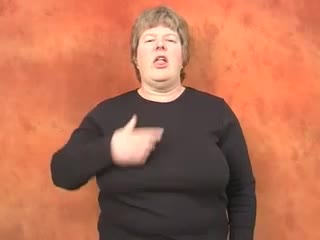
The sign for 'doctor' in BSL uses a D-handshape tapping the non-dominant wrist

🎯 Practice Challenge

Focus on the D-handshape and rhythmic tapping motion on the wrist

⚠️ Most Common Mistake

Ensure index finger is extended, not bent, and tap clearly on the wrist

👐 How to Sign "doctor" in British Sign Language (BSL) (Quick Answer)

Follow these steps to sign doctor correctly in British Sign Language (BSL):

  1. 1 Form a D-handshape with dominant hand
  2. 2 Extend index finger upwards
  3. 3 Tap index finger repeatedly on non-dominant wrist
  4. 4 Maintain other fingers curled and thumb alongside

Tip: Watch the video above while following these steps for best results.

🤚 Sign Profile

🤚
Handshape
Dominant hand: index finger extended, other fingers curled, thumb alongside
🔣
Handshape Code
D
Dominant Hand
Either
🙌
Hand Count
One-handed
📍
Location
On the non-dominant wrist
↗️
Movement
Tapping motion
🔄
Movement Type
Repeated
👆
Contact
Tap
👋
Palm Orientation
Dominant palm generally faces inwards or towards the non-dominant arm
⚖️
Symmetry
Asymmetric

😊 Non-Manual Features

Facial expressions and body language are grammatically essential in British Sign Language (BSL) - not optional!

😊
Facial Expression
Neutral facial expression
🙆
Eyebrows
Neutral
👁️
Eye Gaze
Forward
🙂
Head Movement
None
👄
Mouth Morpheme
Mouthing "doctor" or "doc"
🕴️
Body Shift
None

📖 Grammar & Linguistics

Part of Speech Noun
Inflection No
Classifier Usage N/A
Role Shift No

🎓 Learning Context

📌 When to Use: Discussing medical professionals, health, or appointments
⚠️ Common Mistake: Incorrect handshape, wrong location, or lack of repetition
🚫 When NOT to Use: When referring to a PhD holder (use 'Professor' or 'PhD')
Context Tags
Healthcare profession medical

🧪 Practice Lab

Use these tiny checks right after watching the video. Fast feedback is what turns recognition into recall.

Meaning check

Which word matches the sign you just watched?

Usage check

Where would this sign fit most naturally?

Confidence check

How do you feel about doctor right now?

Pick one so SignDeaf can shape the rest of your session around how this sign actually feels.

🧭 Scenario Drill

One sign gets remembered faster when you attach it to real situations. Try these quick scene prompts.

Work

Stretch practice

Use this sign in a short workplace sentence or meeting exchange.

Family

Stretch practice

Try signing this while talking about family life or something at home.

School

Stretch practice

Imagine teaching this sign to a classmate or using it in a lesson.

Doctor

Strong fit

Practise it in a healthcare conversation where clarity matters.

Travel

Stretch practice

Use it in a travel scenario like asking for help or directions.

💬 Example Usage

1.[en] I need to see a doctor. / BSL:[Sign 'I' then 'NEED' then 'SEE' then 'DOCTOR'] | 2.[en] My doctor is very kind. / BSL:[Sign 'MY' then 'DOCTOR' then 'VERY' 'KIND'] | 3.[en] Is there a doctor available? / BSL:[Sign 'DOCTOR' 'AVAILABLE' 'QUESTION']

1.[en] I need to see a doctor. / BSL:[Sign 'I' then 'NEED' then 'SEE' then 'DOCTOR'] | 2.[en] My doctor is very kind. / BSL:[Sign 'MY' then 'DOCTOR' then 'VERY' 'KIND'] | 3.[en] Is there a doctor available? / BSL:[Sign 'DOCTOR' 'AVAILABLE' 'QUESTION']

When to use it

Discussing medical professionals, health, or appointments

When not to use it

When referring to a PhD holder (use 'Professor' or 'PhD')

Register

Neutral, Child-friendly

🌍 Cultural Context

Healthcare is a common topic in daily BSL conversation

🗺️ Regional Variations

Generally consistent across the UK

⚖️ Similar Signs - What's the Difference?

This sign doctor
VS
Similar signs Look closely
**DOCTOR (D-hand, tap wrist)** vs. **NURSE (N-hand, tap wrist):** Both use tapping on the wrist but with different initial handshapes (D vs. N). This highlights the profession. **DOCTOR (D-hand, tap wrist)** vs. **MEDICINE (X-hand, tap palm):** 'Medicine' uses an X-handshape tapping the non-dominant palm, while 'doctor' uses a D-hand tapping the wrist. **DOCTOR (D-hand, tap wrist)** vs. **PROFESSOR (P-hand, tap forehead):** While both are 'Dr.' titles, the BSL signs are distinct. 'Professor' uses a P-handshape tapping the forehead

📝 Usage Notes

This sign specifically refers to a medical doctor

Frequently Asked Questions

Common questions about the British Sign Language (BSL) sign for "doctor".

🏷️ Tags

Handshape

Keywords

💡
Did you know?
Practising in front of a mirror helps you check your handshape and movement.

📚 Explore More British Sign Language (BSL) Signs

Keep building your British Sign Language (BSL) vocabulary - explore signs by category or browse the full dictionary.