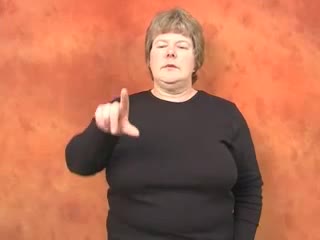
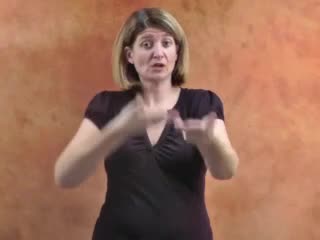
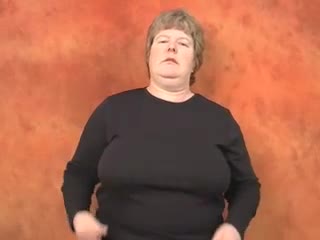
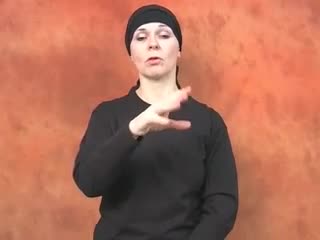
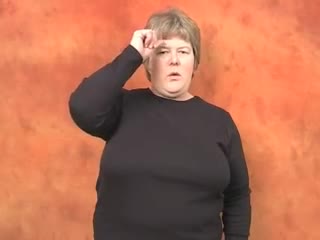
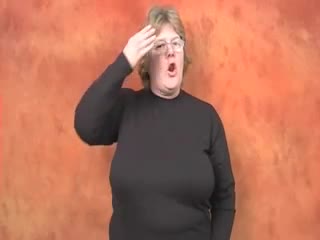
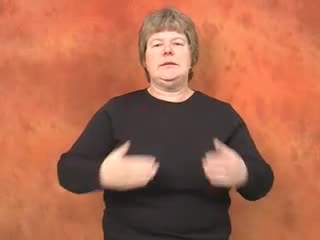
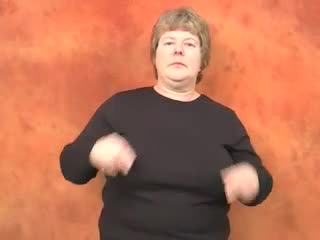
1.[en] Come here / BSL:COME-HERE | 2.[en] They came / BSL:THEY COME | 3.[en] Come with me / BSL:COME WITH ME
1.[en] Come here / BSL:COME-HERE | 2.[en] They came / BSL:THEY COME | 3.[en] Come with me / BSL:COME WITH ME
Create a free account to keep your watch history and review plan.
Move towards the speaker or a specified place
Save this sign
Build your personal BSL dictionary - free account lets you save signs, track progress, and earn XP.
Create free account Already have an account? Log in →Create a free account to save this sign, keep your watch history, and unlock a one-note journal preview.
How well do you know this sign?
Keep your streak going
Create a free account to get more reviews and save your progress.
Create free account Already have an account? Log in →Write memory tricks, usage examples, and cultural reminders beside each sign. Create a free account to unlock your first saved note preview on this page.
Create free account Already have an account? Log inThe BSL sign for come is a foundational and incredibly versatile sign that you'll use constantly. At its heart, it signifies movement towards the signer's position, or towards a specified point of reference established in the signing space. Think of it as an invitation, an approach, or an arrival that brings something or someone closer to the perspective of the speaker.
Unlike some signs that require complex movements or multiple parts, "come" is elegantly direct. Its power lies in its clear directionality and the sense of drawing something in. It carries an inherent sense of convergence, whether you're asking a person to physically move closer, or referring to an idea that has approached your mind.
This sign is a cornerstone of BSL communication because it grounds the interaction in a shared physical or conceptual space. By understanding its core meaning of movement towards, you unlock its potential for numerous contexts, from simple requests to more abstract expressions of events unfolding.
You'll find the sign for "come" feels most natural when you are directly inviting someone to approach you, or when you are describing a movement that is explicitly directed towards yourself or a clearly understood common ground. Imagine asking a friend to step closer during a conversation, or recounting how someone arrived at a shared location – these are prime moments for this sign.
It's also highly effective when referring to events or ideas that "come" into being or into one's awareness. For example, if you're discussing when a particular meeting will happen, or when a new concept emerged, the sign for come aptly conveys this sense of something manifesting or materialising towards a relevant point in time or thought. The register is generally neutral, making it suitable for almost any audience, from casual chats to more formal discussions.
However, it's worth considering alternatives if the movement is not towards the signer, or if the nuance is more about "going" or "departing." If you're talking about someone reaching a destination without the specific emphasis on approaching the signer's perspective, other signs like GO or ARRIVE might be more appropriate. Always consider the direction and the precise nature of the movement you want to convey.
One common pitfall for learners is occasionally overlooking the crucial directionality of this sign. The movement isn't just a generic gesture; it absolutely must be directed *towards* your body, or the established point of reference in your signing space. If your hand moves away from you, you've inadvertently signed something closer to "go" or "send." Pay close attention to that magnetic pull inwards – it's what defines "come."
Another subtle confusion can arise from English's flexible use of "come." We might say "Come on!" to mean "hurry up," or "This comes with a warranty." While BSL has signs for urgency or inclusion, the BSL sign for come specifically retains its meaning of movement towards. Learners sometimes try to force the BSL sign into every English "come" context, missing opportunities for more precise BSL expressions. Remember that BSL often uses a distinct sign for "arrive" (emphasising the completion of a journey) versus "come" (emphasising the act of approaching).
Finally, learners might forget that facial expression and body language can add significant layers of meaning. While the sign itself is clear, a warm, inviting face makes a "come here" feel welcoming, whereas a more urgent or concerned expression would convey "come quickly!" Don't just sign with your hands; let your whole body participate in conveying the full message and emotional tone.
Think of the BSL sign for come as a deeply intuitive, almost universal human gesture. It's like you're beckoning someone gently or pulling an idea towards your grasp. The very act of your hand moving towards your body embodies the concept of drawing something or someone into your space or awareness.
G-hand moves towards signer, indicating presence or invitation
Sign 'come' in response to an invitation gesture
Ensure hand moves clearly towards your body, not away
Follow these steps to sign come correctly in British Sign Language (BSL):
Tip: Watch the video above while following these steps for best results.
Facial expressions and body language are grammatically essential in British Sign Language (BSL) - not optional!
Use these tiny checks right after watching the video. Fast feedback is what turns recognition into recall.
Pick one so SignDeaf can shape the rest of your session around how this sign actually feels.
One sign gets remembered faster when you attach it to real situations. Try these quick scene prompts.
Use this sign in a short workplace sentence or meeting exchange.
Try signing this while talking about family life or something at home.
Imagine teaching this sign to a classmate or using it in a lesson.
Practise it in a healthcare conversation where clarity matters.
Use it in a travel scenario like asking for help or directions.
1.[en] Come here / BSL:COME-HERE | 2.[en] They came / BSL:THEY COME | 3.[en] Come with me / BSL:COME WITH ME
Inviting someone, requesting presence, stating arrival
When referring to 'going away' from signer
Neutral
Direct eye contact often accompanies invitations
Minor differences in hand position or speed
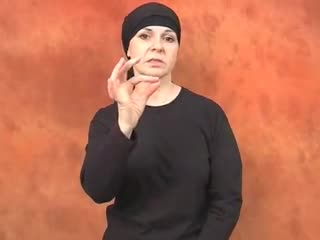
To request information, permission, or clarification
Compare with ask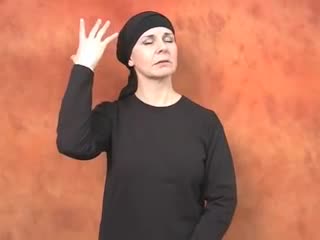
To lose memory of something; fail to recall
Compare with forget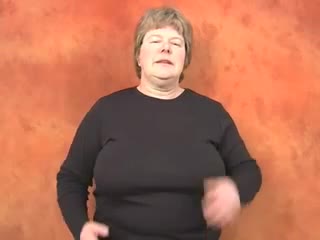
To attract or hold attention; to engage curiosity
Compare with interestDirection of movement is key; towards signer
Common questions about the British Sign Language (BSL) sign for "come".
Keep building your British Sign Language (BSL) vocabulary - explore signs by category or browse the full dictionary.