What This Sign Means in BSL
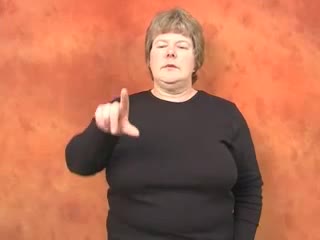
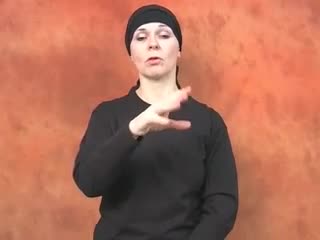
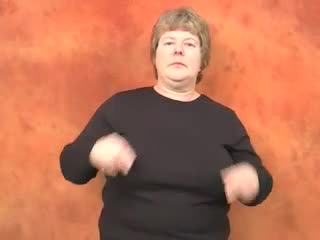
The BSL sign for leave is a fundamental and frequently used verb, signifying departure or exit. At its core, it means to move away from a place or situation. Imagine a clear, direct action of stepping out or moving on. This isn't a sign burdened with complex layers of meaning; its simplicity makes it incredibly versatile for everyday communication.
It's a very active sign, visually representing a clear break from a starting point. The movement itself, straight outward from the body, embodies the act of creating distance. This makes it intuitive for expressing that someone or something is no longer present in a particular space or context. You’ll find yourself using it for everything from announcing your departure from a room to discussing someone leaving a job.
What makes this sign particularly useful is its broad application. Unlike some signs that have very specific contexts, "leave" in BSL can refer to a person leaving, an event leaving (like a train leaving the station), or even conceptually leaving a state of mind, although the primary use is physical departure. It's a cornerstone sign for discussing movement, absence, and transitions.
When This Sign Feels Natural
This sign feels most natural when you're communicating a direct, intentional act of departure. Think about the moment you're saying goodbye and physically heading out the door, or when you’re discussing travel plans. It’s perfect for statements like, "I need to leave now," or "What time does the bus leave?" Its neutrality means it fits comfortably in both formal and informal settings.
You’d also choose this sign when talking about someone exiting a specific role or commitment. For example, if a colleague has resigned, you'd naturally use this sign to convey that they have "left" their position. It conveys a sense of finality regarding their presence in that particular context, without implying anything about their feelings or reasons for leaving.
However, it’s important to distinguish it from other concepts that English might lump under "leave." If you mean "to allow" or "to permit," you'd use a different BSL sign. Similarly, if you're talking about abandoning something or someone in a more emotionally charged way, other signs would be more appropriate. This sign is about the physical or situational act of moving on or away, rather than emotional abandonment or permission.
What Learners Usually Miss
One common oversight for learners is the precise starting position and controlled movement. The sign begins quite close to the body, typically near the chest or shoulder, and moves directly outward. Some learners might start too far out, or make the movement too small or too expansive. The key is a clear, deliberate push away from your body's center, signifying a clean break.
Another subtle point learners sometimes miss is the rhythm and crispness of the movement. It's a singular, smooth outward motion, not a jerky or hesitant one. Think of it as a definitive push. While facial expression will add nuance to *why* someone is leaving (e.g., relief, urgency, sadness), the sign itself maintains a neutral, direct quality in its execution. The movement should be consistent in pace, neither rushed nor overly drawn out.
Finally, learners occasionally confuse this sign with "go" or "exit" when they're distinct in BSL, even if often interchangeable in English. While "leave" implies departing *from* a place, "go" often implies moving *towards* a destination. Pay attention to whether your emphasis is on the point of origin or the direction of travel, as this subtle difference can guide your sign choice and help you avoid overusing "leave" in contexts where "go" might be more precise.
A Simple Way to Remember It
To help this sign stick in your memory, think of the flat hand as a clear, unencumbered pathway, and the outward movement as the act of moving freely along that path, away from a starting point. It’s like clearing a space or making a definite exit.
- Handshape as "Clear": The flat hand can remind you of a "clear" path or a "clean break" from a situation. You're leaving something behind, making a clean exit.
- Movement as "Away": The straight outward movement directly from your body clearly visualises the act of moving away from yourself or your current position. It's a physical representation of increasing distance.
- Location as "Departing Point": Starting near your chest/shoulder helps to establish a clear "here" or "home base" from which the departure is made, reinforcing the idea of leaving from somewhere specific.
Short Practice Situations
- I really need to leave now, I'm already running late for my appointment.
- What time does your train leave from the station tomorrow morning?
- She decided it was time to leave her old job and seek new opportunities.
- Please don't leave the house without telling me where you're going first.
- We're planning to leave for our holiday early next Friday morning.
Signs to Learn Next
- GO: While "leave" focuses on departing *from* a place, "go" often emphasizes moving *towards* a destination. Learning them together helps clarify when to use each based on the context of movement.
- ARRIVE: This is the direct opposite of "leave." Understanding how to sign "arrive" provides a complete picture of journeys and transitions, from starting to finishing points.
- FINISH: Often, when we leave a place or a task, it's because we've "finished" what we were doing there. Learning "finish" helps express the completion that often precedes departure.
- GOODBYE: This social sign frequently accompanies the physical act of leaving. Practicing them together makes conversational farewells much smoother and more natural.
- STAY: As another antonym, "stay" offers a contrasting concept to "leave." Knowing both allows you to express presence versus absence, or remaining versus departing.