What This Sign Means in BSL
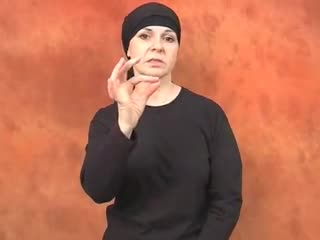
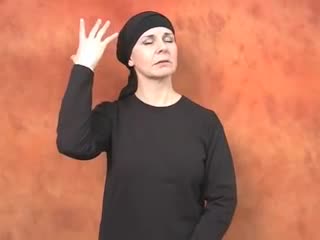
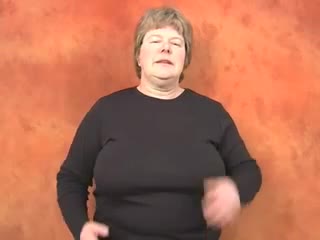
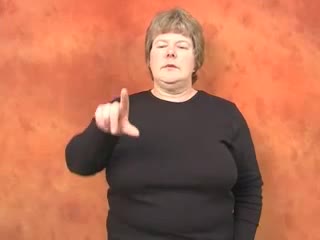
The BSL sign for invite is a beautifully clear and direct gesture. At its core, it’s about extending an offer, a welcome, or a summons for someone to join you or come to a specific place. Unlike some English words that can carry subtle shades of obligation or formality, this sign is straightforward and action-oriented. When you sign "invite," you're making an explicit move to include someone.
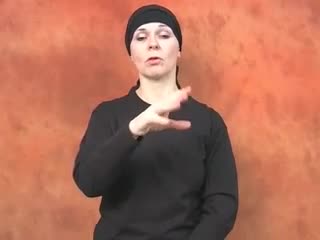
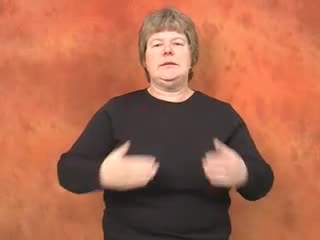
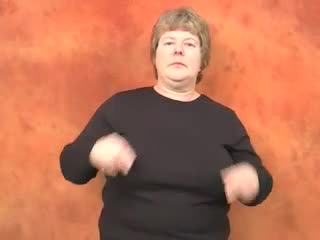
Visually, the sign embodies the act of reaching out. Your dominant hand, flat and open, sweeps outwards from your personal space, almost as if you’re drawing a path for someone to follow or opening a metaphorical door for them. This motion isn't just a general wave; it has a clear purpose and direction, signifying a genuine desire for inclusion. It’s a very positive and engaging sign.
This sign is particularly powerful because of its personal nature. It's often directed towards the person or people you're inviting, making the invitation feel very immediate and personal. It carries a sense of warmth and genuine hospitality, whether you're inviting a friend for a coffee or a colleague to a meeting. It’s about creating a shared experience or space.
When This Sign Feels Natural
You'll find yourself using the sign for "invite" in a wide array of everyday situations, both social and professional. It feels completely natural when you’re asking a friend to come over to your house, suggesting they join you for a meal, or proposing a trip out. It's the go-to sign for extending any form of social engagement where you want someone to come along.
In more formal or organised settings, the sign remains just as appropriate. Think about inviting colleagues to a team meeting, participants to a workshop, or even a speaker to an event. It conveys a clear message of inclusion and expectation for attendance. It’s a versatile sign that adapts well across different registers, always maintaining its core meaning of extending a welcome or an offer.
Choosing this sign feels natural because it’s so unambiguous. It directly communicates your intention to have someone present. While you might use other signs to describe the *event* itself (like "party" or "meeting"), the act of inviting them to it is perfectly encapsulated by this single, expressive movement. It’s about offering access to your space, your time, or your plans, making it clear you want them involved.
What Learners Usually Miss
One common pitfall for new learners is in the precision of the handshape and movement. The dominant hand needs to be truly flat, with fingers together and the thumb either tucked neatly or resting alongside. Sometimes learners splay their fingers or cup their hand slightly, which can subtly alter the clarity or even inadvertently suggest a different meaning. Ensure your hand is a flat, open plane, ready to offer.
The movement itself, a clear, sweeping arc outwards from the body, is crucial. Learners sometimes make the arc too small, too jerky, or fail to project it far enough into neutral space. Imagine you're truly extending an arm to beckon someone forward or sweeping open a gate for them. The movement should feel smooth, deliberate, and have a definite endpoint, originating from near your dominant shoulder or chest and finishing with a clear projection outwards. It's not a hesitant twitch, but a confident, welcoming gesture.
Another subtle but important element is the overall expression. While you don't need an overly dramatic facial expression, a neutral or slightly welcoming look is important. A stern or overly serious face can unintentionally make the invitation feel more like a demand or a warning, rather than a genuine welcome. The sign for "invite" carries an inherent positivity; let your facial expression reflect that openness and warmth.
A Simple Way to Remember It
To help you remember the sign for "invite," picture your flat hand as a welcoming gesture, sweeping outwards to create space or draw someone in. It’s like you’re literally extending an open invitation with your hand.
- Imagine your flat hand is a door swinging open, inviting someone to step through.
- Think of yourself sweeping a path clear for someone to join you, making it easy for them to come.
- Visualise your hand as an open book or a blank slate, inviting someone to fill it with their presence.
Short Practice Situations
- "I'm having a small dinner party next Saturday, and I'd love to invite you to come along."
- "Our team is planning a brainstorming session tomorrow morning; I want to invite everyone to contribute their ideas."
- "I'm going to watch the football match at the pub later; would you like me to invite you to join me?"
- "My parents are visiting next month. I'm inviting them to stay with me for a week."
- "There's a fantastic new café that just opened around the corner. I'm inviting you for coffee sometime."
Signs to Learn Next
- COME: This sign is a natural follow-on, as an invitation often implies the action of "come here." Understanding "come" will help reinforce the directionality and purpose of "invite."
- GO: Learning "go" helps you distinguish movement towards the signer (like "come" or an invitation) versus movement away, solidifying your grasp of directional verbs in BSL.
- JOIN: Often closely related in context, "join" is what someone does after they accept an "invite." Practising both helps you build more complex conversational structures.
- PARTY: This is a very common context for "invite." Being able to sign "party" allows you to practice inviting people *to* something specific and fun.
- MEETING: Another frequent scenario. Mastering "meeting" alongside "invite" will be incredibly useful for professional and organisational communication.