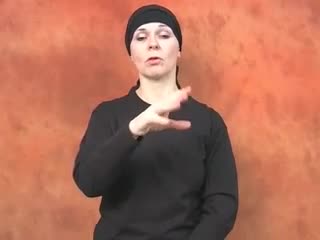
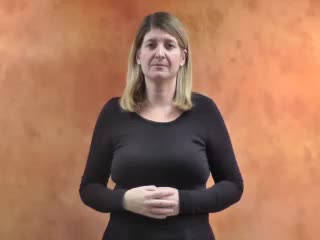
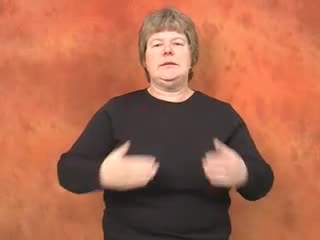
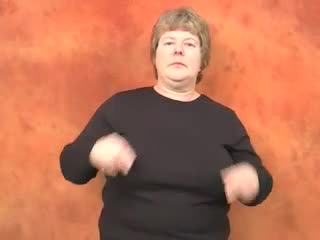
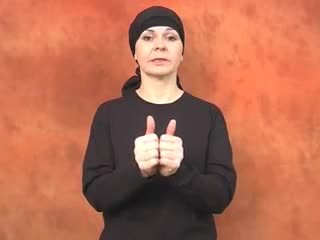
What This Sign Means in BSL
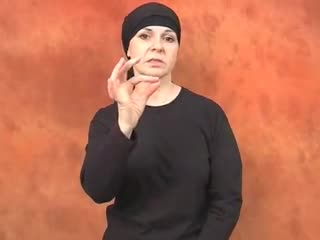
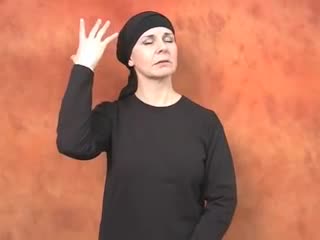
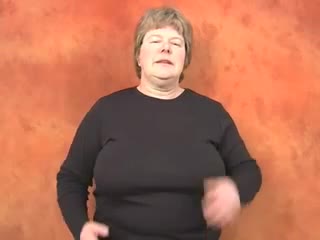
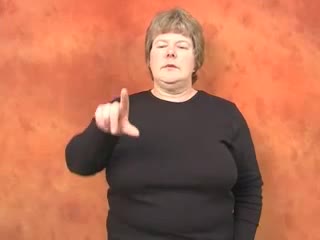
The BSL sign for exchange beautifully captures the essence of giving and receiving something in return. It’s not just about two items passing, but rather the mutual act of swapping, trading, or replacing one thing for another. Think of it as a dynamic transaction, whether that’s a physical object, a piece of information, or even a role or responsibility.
This sign is a fundamental verb in BSL, denoting a clear two-way movement. When you see it, you should immediately understand that something is being offered, and something equivalent or desired is being taken back. It’s a very direct and unambiguous way to express this concept, making it a cornerstone for many practical conversations.
The visual metaphor here is incredibly strong: two hands representing two distinct entities or ideas, moving towards each other, crossing paths, and then moving away, symbolising their change of position or ownership. This fluid, continuous motion is key to conveying the smooth, often seamless nature of an exchange.
When This Sign Feels Natural
You’ll find yourself reaching for the BSL sign for exchange in a wide variety of everyday scenarios. It feels entirely natural when discussing swapping gifts, trading items, or even exchanging pleasantries or ideas in a conversation. For example, if you’re at a shop returning a faulty item and getting a new one, this is the sign you'd use. Similarly, if you’re discussing exchanging phone numbers with someone new, it fits perfectly.
Its register is quite neutral and universally understood within the UK Deaf community, making it suitable for both formal and informal settings. You wouldn't typically use a different sign for "exchange" unless you wanted to convey a very specific nuance, such as a casual "swap" where the equivalence might be less important, or a more financial "trade." The core BSL sign for exchange carries a sense of balance and mutuality.
Consider situations where there’s a clear give-and-take. If you're talking about exchanging roles with a colleague for a project, or exchanging currency when travelling, this sign is your go-to. It implies that both parties are involved in the transfer, reinforcing the idea of a reciprocal action rather than a one-sided transaction like simply "giving" or "receiving."
What Learners Usually Miss
One common area where learners can subtly miss the mark with the BSL sign for exchange lies in the handshape. While the description is a "flattened O-shape," some might default to a looser, splayed hand or even a closed fist. The flattened O is crucial; it suggests you're holding or presenting something, ready to pass it over, but also open to receive. Keep those fingers together and slightly curved, forming a gentle cup.
Another frequent oversight is the movement itself. The hands don't just meet and pull back; they should pass through each other's space, moving in opposite directions before coming to rest. It’s a continuous, fluid motion – imagine two trains on parallel tracks briefly crossing paths before continuing on their way. Jerky or incomplete movements can make the sign look like "touch" or "meet" rather than a full "exchange." Ensure your hands extend past the point of meeting, completing the journey away from each other.
Finally, learners sometimes struggle with the rhythm and location. The sign should be performed smoothly, typically as a single, deliberate action, rather than a rapid, repetitive movement unless you’re specifically trying to convey constant or repeated exchanging. Keep the action centred around your chest area, not too high by your face or too low by your waist. This central placement ensures it’s clear and easily visible, establishing it as a core interaction between two entities.
A Simple Way to Remember It
To help this sign stick in your memory, visualise the inherent action of two things passing each other. The sign for exchange is wonderfully iconic in its depiction of this concept.
- Imagine your flattened O-shape hands as gently holding two different items, ready for a swap. This handshape naturally prepares you for both giving and receiving.
- Picture the hands crossing paths in front of your chest, like two people passing each other an object as they walk by, or two documents changing hands. This crossing is the core of the "exchange" concept.
- Focus on the smooth, continuous movement – it’s like a fluid transaction, not a hesitant start and stop. This flow represents the seamlessness of one thing being given as another is taken.
Short Practice Situations
- We need to exchange our contact details before we leave.
- Would you like to exchange seats so you can see better?
- I bought the wrong size; I need to exchange this jumper at the shop.
- The students often exchange ideas during their group projects.
- Let's exchange gifts at the party next week.
Signs to Learn Next
- CHANGE (as in alter/transform): While "exchange" is about swapping one thing for another, "change" often refers to something transforming or becoming different. Understanding this distinction is key to precise communication.
- SWAP / TRADE: These signs are very closely related and sometimes interchangeable, but "exchange" often implies a more formal or balanced transaction, whereas "swap" can be more casual or informal. Learning both will give you nuance.
- GIVE: "Exchange" is fundamentally built upon the concept of giving. Practising "give" will strengthen your understanding of the outward motion inherent in half of the "exchange" sign.
- RECEIVE / GET: Similarly, "exchange" also involves receiving. Mastering "receive" helps reinforce the inward motion and completion of the transaction.
- AGREE: Many exchanges happen after an agreement has been reached. Learning to sign "agree" provides important conversational context for why an exchange is taking place.