What This Sign Means in BSL
The BSL sign for call is a foundational verb that encompasses several ideas of reaching out or summoning. At its heart, it's about initiating contact or requiring someone's presence or attention. Think of it as a direct communication signal, a way to make yourself known or to bring someone closer, whether literally or figuratively through conversation.
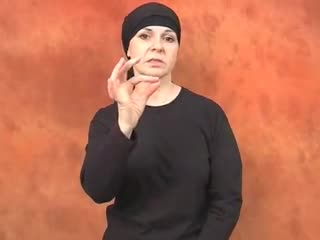
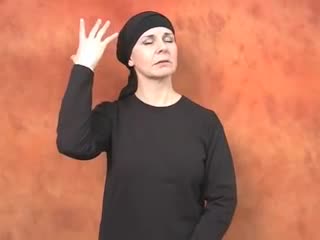
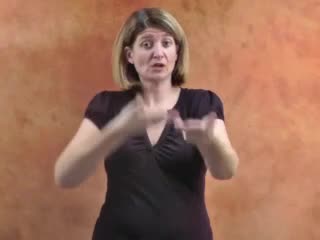
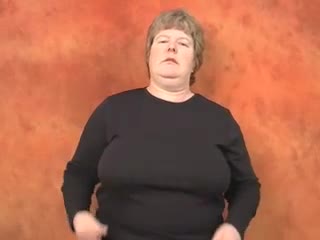
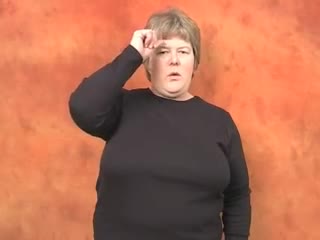
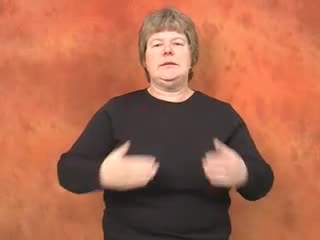
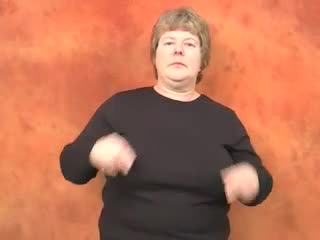
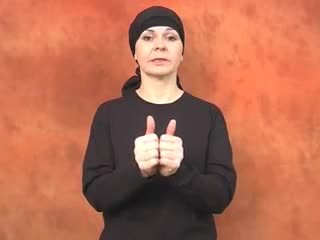
You'll notice the handshape, with the index finger and thumb extended and other fingers curled, often feels like you're holding a small phone receiver or making a gesture of speaking. The movement from near your ear or mouth, then slightly forward, visually represents sending out a message or a sound. It's a sign that carries a sense of intention and often, a degree of urgency or purpose.
Unlike some signs that are very specific, "call" in BSL is wonderfully versatile. It can mean to summon someone to you, to make a phone call, or even to verbally "call out" a name. Understanding this core flexibility is key to using it naturally across different situations.
When This Sign Feels Natural
This sign feels most natural when you are indicating the act of contacting someone directly. If you're arranging to speak to a friend, you'd sign "I call you later." If you need to get someone's attention across a room, you might sign their name followed by "call" with an emphatic facial expression. It's the go-to sign when the English word "call" means to initiate communication or to demand presence.
You'll find it fitting in both casual chats and more structured conversations. For instance, telling a colleague you'll call them about a project, or signing about a character in a story who calls for help. The register adapts beautifully with your facial expression and the overall context of your signing. A neutral face suggests a simple action, while a furrowed brow might imply urgency.
However, it's worth noting that while versatile, it isn't a direct substitute for every English use of "call." If you're talking about something being "called into question," or "a close call" in a game, or "the company is called Apple," you'd typically use other BSL signs like QUESTION, CLOSE, or NAME respectively. This sign is really about the active engagement of making contact.
What Learners Usually Miss
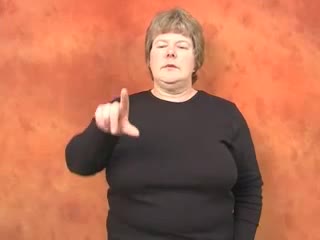
One common oversight is the precise handshape and movement. Learners sometimes use a pointed index finger instead of the clear G-handshape (index finger and thumb extended, other fingers curled). This subtle difference matters; the G-handshape distinctly implies communication, almost like a miniature handset, whereas a pointed finger might be mistaken for POINT or simply indicating direction. Remember to keep the other fingers curled in neatly.
Another nuance often missed is the slight forward movement after touching or nearing the ear/mouth area. It's not just a static placement. The movement outward signifies projecting the "call" – sending the message or summons out into the world. Without this outward projection, the sign can look incomplete or less dynamic, losing some of its intended meaning of active communication.
Finally, learners sometimes forget the crucial role of facial expression. A truly effective "call" sign is rarely neutral. Are you calling someone urgently? With a question? With annoyance? Your eyebrows, mouth, and eye gaze work in tandem with the hand sign to convey the full intent. Practise linking the physical sign with the appropriate emotional tone to make your BSL truly expressive and clear.
A Simple Way to Remember It
Imagine the sign for "call" as a miniature representation of making contact. The handshape is like holding a tiny phone receiver to your ear, ready to speak, or forming your hand as if you're about to shout and project your voice. The movement from your ear/mouth then forward is the act of sending that communication out, whether it's a sound wave or a signal. It's a very direct and intuitive way to think about initiating contact.
- Hand as Receiver: The G-handshape (index and thumb extended) resembles holding a small phone or using your hand to amplify your voice towards your ear or mouth.
- Projecting Voice: The movement starting near your ear/mouth and moving slightly forward visually demonstrates sending out a sound or message.
- Direct Contact: The overall gesture is a clear, unambiguous action of reaching out to someone, making it easy to associate with the act of calling.
Short Practice Situations
- I need to call my sister tonight to wish her a happy birthday.
- Can you please call the children inside? It's time for dinner.
- The doctor said she would call me with the test results tomorrow morning.
- If there's an emergency, you must call for help immediately.
- He tried to call my name, but I didn't hear him because of the music.
Signs to Learn Next
- PHONE: While "call" is the action, "phone" can refer to the device or the act of using it. Learning this helps distinguish between the act of contacting and the method.
- TALK/SPEAK: These signs represent ongoing conversation. "Call" is often about initiating that conversation, so understanding the difference will clarify your intent.
- NAME: Many instances of "call" in English mean to name something or someone. Learning the sign for "name" helps you choose the correct BSL for context like "What is your name?" versus "I will call you."
- TEXT/MESSAGE: In our modern world, contact isn't always a "call." Learning "text" or "message" will expand your ability to discuss different forms of communication.
- SUMMON/INVITE: These signs are broader ways of asking someone to come to you or to an event. They are related to the "summoning" aspect of "call" but offer more specific nuances.