What This Sign Means in BSL
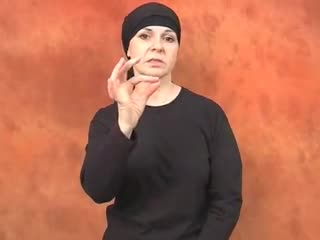
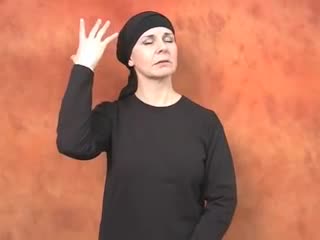
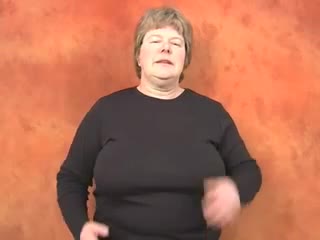
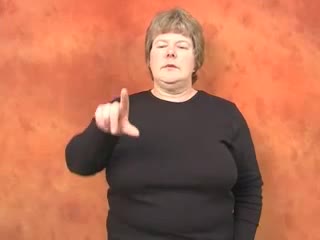
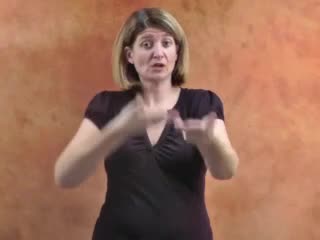
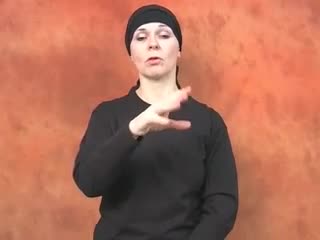
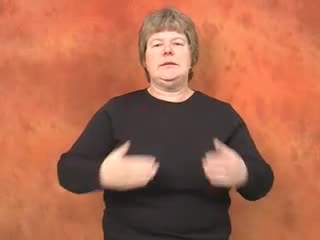
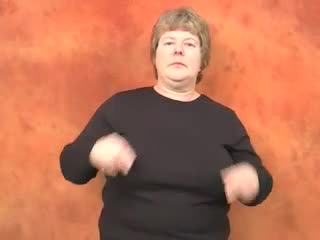
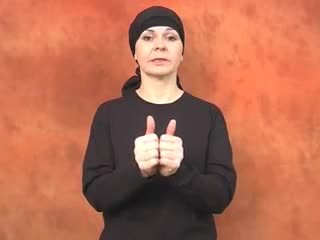
The BSL sign for return is wonderfully direct, embodying the core idea of movement back to an origin point. At its heart, it means "to go back," "to come back," or "to give back." Think of it as a movement that reverses its course, bringing something or someone to a previous state or location. The single extended index finger acts like a pointer, indicating a path that has been travelled and is now being retraced.
What makes this sign so valuable is its versatility. You’ll find yourself using it in a wide array of contexts, from physically moving back to a place, to returning an object, or even conceptually returning to a topic in conversation. It carries a sense of completing a cycle or restoring something to its original position. This straightforward visual connection to the idea of "back again" makes it quite intuitive once you grasp the underlying movement.
When you sign "return," you're not just indicating movement; you're also implying a relationship to a prior state or location. It’s a foundational verb in BSL, and mastering it opens up many possibilities for expressing daily actions and interactions. Pay attention to how the movement feels – it’s a smooth, intentional retraction, not a sharp, abrupt motion, reflecting the natural flow of coming or going back.
When This Sign Feels Natural
This sign feels most natural when you're referring to a literal or tangible act of going or coming back. Imagine telling someone you'll "return home after work," or that you need to "return a library book." These are perfect scenarios where the sign’s directness perfectly matches the action. It's a sign that fits comfortably in everyday conversation, whether you're chatting with friends, making plans, or giving instructions.
You’ll also find it very useful in more abstract but still clear contexts, such as "returning a call" or "returning to a previous point in our discussion." In these cases, while there isn't a physical object moving, the concept of going back to an earlier state or action remains strong. The sign maintains its friendly, straightforward register, suitable for almost any audience, from formal meetings to casual chats.
However, it’s worth noting when you might choose a different sign. If the idea is more about "repeating" an action without the sense of going back to an origin, a sign like AGAIN might be more appropriate. Similarly, if you’re specifically talking about "replying" to a message, while related, there are more specific signs for that interaction. The key is always the concept of reversing a journey or restoring something to its initial state or place.
What Learners Usually Miss
A common subtlety learners often miss with the BSL sign for return is the exact directionality and the implied origin. It's not just any backward movement; it’s a deliberate movement towards the signer’s body or towards a specific point already established as the "home" or "original" location. Sometimes learners make the movement too broad or too random, losing that crucial sense of returning to somewhere specific. Always aim for a clear, directional pull back.
Another point of confusion can be the distinction between simply "giving" something and "returning" something. While returning often involves giving, the sign for return specifically adds the nuance of that item having been with you previously and now going back to its original owner or place. If you're just handing something over for the first time, you'd use the sign for GIVE. The "return" sign implies a cycle of possession or location.
Finally, facial expression and body language are subtle but important. For a simple, neutral return, your expression might be neutral. But if you’re happily returning home, or reluctantly returning a borrowed item, your face should reflect that emotion. The rhythm of the sign should also be smooth and natural, mirroring the action it represents. Don’t rush the movement; allow it to convey the full sense of the action.
A Simple Way to Remember It
To help this sign stick in your memory, think of the extended index finger as a little arrow pointing the way back, and the movement as literally pulling something or someone back to where they started. It’s like a visual rewind button!
- Imagine your index finger is a key on a remote control, and you’re pressing "rewind" to go back to a previous scene or moment. The action of pulling your hand back is the rewind itself.
- Picture a piece of string tied to an object. You pull the string, and the object comes back towards you. Your index finger is the string, and your hand movement is the pull.
- Think of a boomerang. You throw it out, and it returns to you. The shape of your hand and the movement capture that arc and return.
Short Practice Situations
- I need to return this library book by Friday, otherwise I’ll get a fine.
- When will you return to your office after lunch?
- Let’s return to the main topic of our discussion from earlier this morning.
- Could you please return the tools to their proper place when you’re finished?
- My friend said they would return my call later this evening.
Signs to Learn Next
- GO: This fundamental sign for general movement connects well, as "return" is often about going *back* somewhere. Understanding GO helps clarify the additional nuance of "back" in return.
- COME: Similar to GO, this sign for movement towards the signer provides a great contrast. While COME is simply movement towards, RETURN specifies movement *back* towards.
- AGAIN / REPEAT: These signs share a conceptual link with "return" in the sense of something happening more than once. However, "again" focuses on recurrence, while "return" focuses on moving back to an origin.
- GIVE: If you're returning an item, you are essentially giving it back. Learning GIVE helps distinguish between a first-time handover and a return.
- HOME: Often, when someone returns, they return home. Practising "return home" as a phrase naturally links these two important signs.