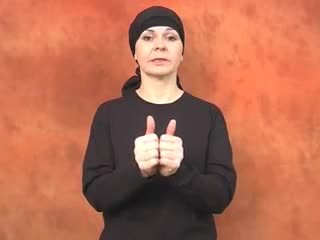
What This Sign Means in BSL
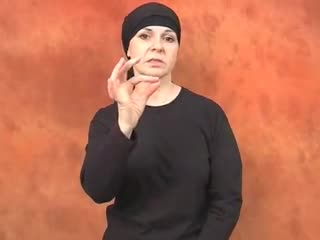
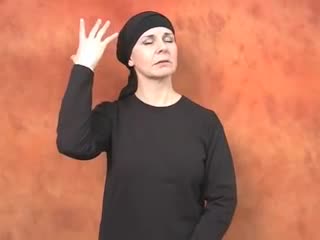
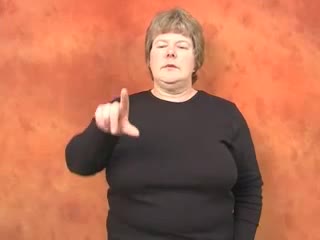
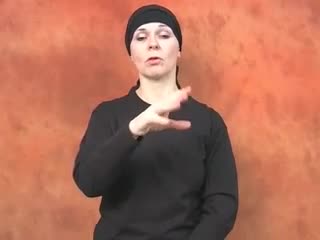
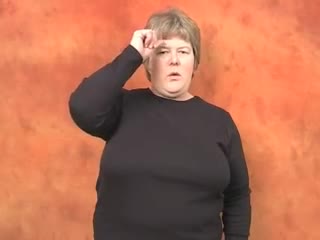
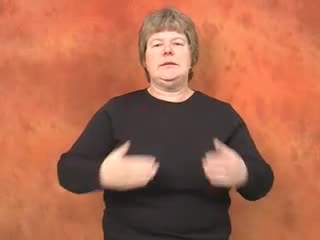
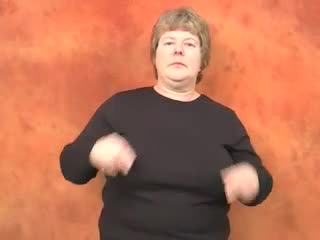
The BSL sign for interest is a wonderful example of how BSL captures an abstract concept with a visually dynamic action. When you make this sign, you’re not just saying you have interest; you're *showing* something reaching out, engaging with, or being drawn into something else. It fundamentally describes the act of one thing captivating another, or someone being captivated by an idea or activity.
This isn't just about a mild curiosity; it often conveys a sense of genuine engagement, a spark that draws you in. Think of it as a bridge forming between you and the subject of your attention. The open hand shape, with fingers spread and thumb slightly separated, suggests an openness to receive, to embrace, and to connect with whatever is stimulating your mind or emotions. It’s an active verb, indicating a process rather than a static state.
The energy of this sign is key. It's often used when you want to express that something truly *grips* your attention or *sparks* your enthusiasm. You might use it to talk about a new hobby that really caught your eye, a story that held you spellbound, or a person who piqued your curiosity. It’s about that feeling of being drawn in, of finding something compelling and worthy of your mental or emotional investment.
When This Sign Feels Natural
You’ll find the BSL sign for interest fits beautifully into conversations where you’re discussing passions, hobbies, learning, or even just what catches someone’s eye. It’s perfect when explaining what truly fascinates you or when asking someone else if a particular topic engages them. For example, if a friend mentions a new film, you might sign "film... you *interested*?" to gauge their enthusiasm.
This sign is incredibly versatile. It works well in both casual chats among friends and more formal discussions, perhaps when talking about a project at work or a subject in a learning environment. Its directness makes it universally understood, indicating a clear connection between a subject and a person’s attention. However, remember its active nature; it's about the *action* of being interested, not just the state of having an interest (which might be signed differently or inferred from context).
Be mindful that while this sign communicates engagement, it's distinct from signs meaning "like" or "love." While you might be interested in something you like, "interest" specifically highlights the *pull* or *engagement* aspect. So, if you're trying to convey deep affection or enjoyment, you might pair it with other signs or choose a different expression altogether. It's about being drawn in, not necessarily about deep personal fondness, though the two can certainly overlap.
What Learners Usually Miss
One common pitfall learners encounter with the BSL sign for interest is the precision of the handshape and movement. The fingers should be spread, but not rigidly splayed, and the thumb slightly separated from the rest. It's an open, welcoming hand, not a tense one. Many learners tend to either keep their fingers too close together or make the hand too flat and stiff, which can subtly alter the nuance of openness this sign conveys.
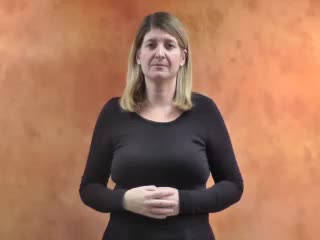
Another subtle point is the exact trajectory and force of the movement. The hand moves *from* the centre of the chest *outward and slightly forward*. It's not just a push straight out, nor is it a weak flick. Imagine something being *drawn out* from within you, a genuine, expansive feeling. Some learners might make the movement too small, too fast, or too aggressive. The movement should be smooth and deliberate, embodying that internal spark making an outward connection.
Finally, and perhaps most crucially, is the role of facial expression. While the hand and movement convey the core meaning, your face adds the *degree* and *type* of interest. A quizzical brow might show curiosity, a wide-eyed look might show fascination, and a relaxed, pleasant expression might show mild enjoyment. Without an appropriate facial expression, the sign can come across as flat or even ambiguous. Practise mirroring different levels of engagement on your face as you make the sign – it makes a world of difference to how your message is received.
A Simple Way to Remember It
To help this sign stick in your memory, think about the action it portrays: something is stirring within you, reaching out, and connecting with the world. Imagine your chest as the wellspring of your attention or curiosity, and your hand as that interest extending outwards to grasp or embrace a new idea.
- The "Open Door" Hand: Your open hand, with spread fingers, represents an open mind and a willingness to receive new information or experiences. It’s like saying, "I'm open to this!"
- "Heartfelt Engagement": The starting point at your chest can remind you that genuine interest often comes from an internal, sometimes emotional, place. It's not just intellectual; it can be felt.
- "Reaching Out": The outward and slightly forward movement symbolises your attention or curiosity actively reaching out from yourself towards the object of interest, connecting with it.
Short Practice Situations
- "That book really interests me." (Sign "BOOK" then "INTEREST")
- "Do you find history interesting?" (Sign "HISTORY" then "YOU" then "INTEREST" with a questioning facial expression)
- "They're not interested in joining the club." (Sign "THEY" then "NOT" then "INTEREST" then "JOIN CLUB")
- "What interests you most about science?" (Sign "WHAT" then "SCIENCE" then "INTEREST" then "YOU MOST")
- "The new project interests everyone in the team." (Sign "NEW PROJECT" then "INTEREST" then "EVERYONE TEAM")
Signs to Learn Next
- Curious: This sign often involves the index finger twisting near the eye or forehead. It naturally connects with "interest" because curiosity is frequently the initial spark of interest, leading to deeper engagement.
- Fascinated: Made with both hands moving outwards from the head, often depicting something captivating your thoughts. If you're "interested" in something, you might quickly become "fascinated" by it.
- Boring: Typically signed by twisting the index finger into the cheek. This is a natural opposite, helping you frame "interest" by understanding what it isn't. When something doesn't spark your interest, it might be boring.
- Like: Signed by moving an open hand from the chest outwards, often with a slight upward tilt. While distinct, "like" and "interest" frequently co-occur. You might be interested in something *because* you like it, or you might develop a liking for something after it piques your interest.
- Excited: Typically signed with both hands moving up and down from the chest. "Interest" can often lead to "excitement," especially when the subject is particularly engaging or new.