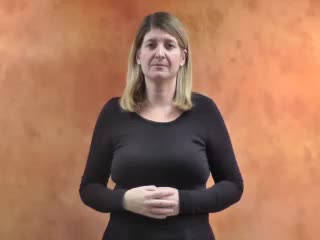
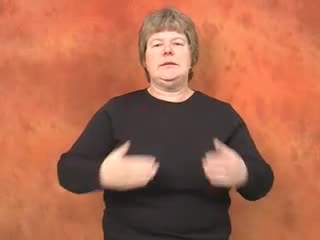
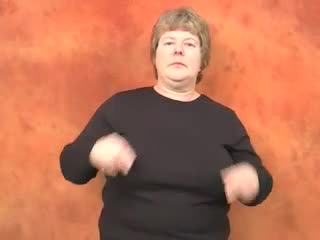
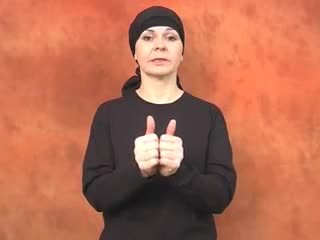
What This Sign Means in BSL
The BSL sign for know is a fundamental and widely used verb, capturing the essence of possessing information, being familiar with a person or place, or having a particular skill. At its core, it's about internalised understanding and recall. You use it when you're stating a fact you hold in your mind, asking if someone else holds that fact, or confirming acquaintance. It's a very direct sign, often serving as a clear affirmation or a straightforward query.
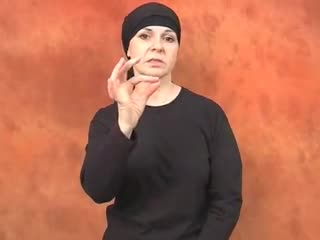
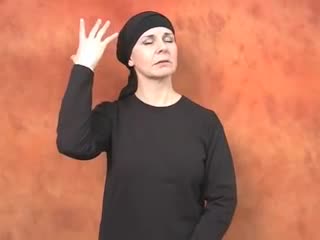
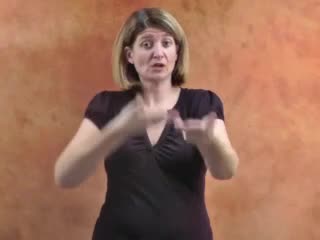
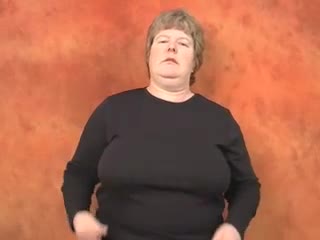
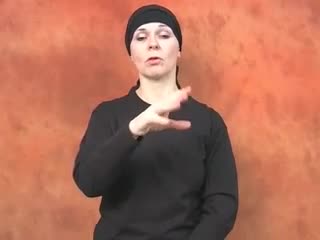
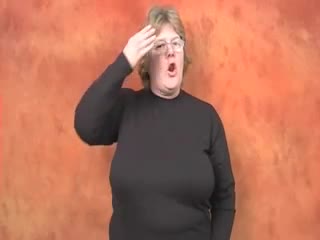
Think of the handshape – a flat hand with your thumb touching your fingertips – as if you're gently holding a piece of knowledge or a specific thought. This isn't a tight grasp, but a confident, controlled hold. The movement then externalises this; it's as if you’re bringing that held knowledge from your mind (your temple/forehead) out into the open, either to share it, confirm it, or ask about it. This sign primarily conveys factual or experiential knowledge rather than deeper comprehension.
While it covers a broad spectrum of 'knowing', it’s important to appreciate its directness. It doesn't imply an ongoing process of learning, nor does it typically suggest understanding something at a profound, emotional level. Instead, it’s often used to communicate simple, verifiable information: "I know her name," "Do you know the way?", or "Yes, I know that song." Its simplicity makes it incredibly versatile and a cornerstone of everyday BSL conversation.
When This Sign Feels Natural
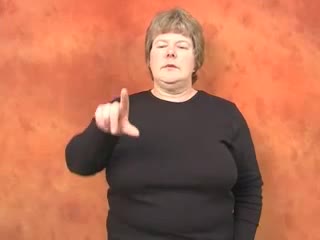
This sign feels most natural when you're dealing with concrete information, established relationships, or learned abilities. You'll use it effortlessly when asking about someone's acquaintance with another person, inquiring about a particular piece of information (like a date or a location), or confirming whether someone has mastered a skill. For instance, if you're introducing people, you might sign "YOU KNOW HER?" And if you're discussing plans, "I KNOW THE RESTAURANT" would be perfectly natural. It's suitable for a wide range of registers, from casual chats with friends to more formal discussions.
You'd naturally reach for this sign when the alternative might be a spoken English phrase like "Are you acquainted with...?" or "Are you aware of...?" It's also the go-to sign for expressing certainty about a fact. "I know" can be a powerful statement of conviction in BSL, often accompanied by a firm nod. It's incredibly useful when navigating new places or information, such as "DO YOU KNOW THE TRAIN STATION?" or "I DON'T KNOW THE ANSWER."
However, you might choose a different sign if the nuance you want to convey is more about deep comprehension, familiarity through experience, or active learning. For example, if you mean "I *understand* what you're saying," you'd typically use the sign for UNDERSTAND. If it's about recognition, like spotting someone in a crowd, the sign for RECOGNISE would be more appropriate. "Know" is about having the information or acquaintance stored, ready for retrieval and expression.
What Learners Usually Miss
One common subtlety learners miss with the sign for know is the precise starting location and the quality of the movement. It’s not just a general tap on the head; the hand starts specifically at or very near the temple/forehead area. The movement is a clear, controlled arc outwards and slightly forward, not a vague wave or a sharp jab. Maintaining the flat hand with thumb touching fingertips throughout this movement is crucial; sometimes learners inadvertently relax the handshape, which can make the sign less clear or even shift it towards a different meaning.
Another frequent oversight is the crucial role of non-manual features (NMFs). When asking a question like "DO YOU KNOW?", your eyebrows should be raised, and you might lean forward slightly. For a statement like "I KNOW," a firm nod and a neutral or confident facial expression are expected. Conversely, for "I DON'T KNOW," a slight head shake accompanies the sign for DON'T KNOW (which often incorporates the 'know' sign). Missing these NMFs can make your communication ambiguous, turning a question into a statement or vice-versa, regardless of your hand movements.
Finally, some learners can confuse "know" with signs like UNDERSTAND or LEARN due to proximity to the head. While all involve mental processes, their handshapes and movements are distinct. UNDERSTAND usually involves an open hand moving up from the temple, signifying ideas 'clicking into place.' LEARN often involves bringing information *to* the head. The sign for know is unique in its specific handshape holding the 'fact' and then pushing it outwards. Pay close attention to these distinctions, as they are key to clear and accurate BSL communication.
A Simple Way to Remember It
Imagine you're gently holding a precious piece of information or a specific memory right at your temple. The sign for know then becomes the act of confidently bringing that stored knowledge forward, making it available and visible. It's a simple, direct gesture that physically represents a mental process.
- Your head is the library: The sign starts at your temple/forehead, the place where thoughts and memories reside.
- Your hand holds the 'fact': The flat hand with thumb touching fingertips is like you're gently cupping or holding a specific piece of information.
- Pushing it out means you possess it: The outward movement shows you're bringing that knowledge out from your mind, confirming you *know* it.
Short Practice Situations
- Try signing "Do you know where the nearest post office is?" using the BSL sign for know and appropriate facial expression.
- Practice stating "Yes, I know that person very well" to confirm acquaintance.
- Imagine someone asks you about a topic, and you sign "I don't know the answer to that."
- Sign "We know how to play chess" to indicate a learned skill.
- Ask a friend "Do you know what time the meeting starts?" incorporating the question NMFs.
Signs to Learn Next
- DON'T KNOW: This is an essential follow-up. It often involves signing "know" then quickly shaking your head, or a specific sign for "don't know" that might incorporate elements of the "know" sign with a negative headshake. It's the natural counterpoint.
- UNDERSTAND: Often confused with 'know', this sign distinguishes between having a fact and truly grasping its meaning or implications. It's vital for expressing comprehension beyond simple recall.
- RECOGNISE: While 'know' can mean being familiar with a person, 'recognise' is more about the act of identifying someone or something you've encountered before, often visually. It's about 'spotting' or 'identifying'.
- LEARN: The process of acquiring knowledge. Understanding 'learn' alongside 'know' helps you talk about the journey to possessing information, not just the possession itself.
- THINK: This sign describes the mental activity of forming ideas or opinions. It's closely related to 'know' as thinking often precedes or follows knowing, allowing you to express deeper cognitive processes.