What This Sign Means in BSL
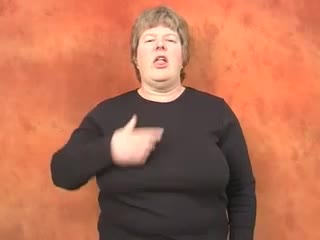
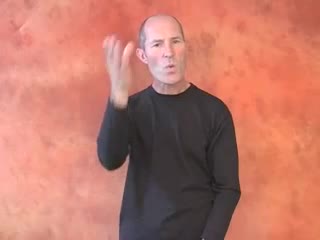
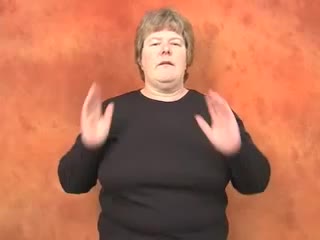
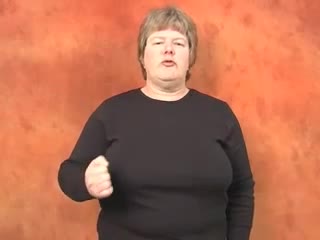
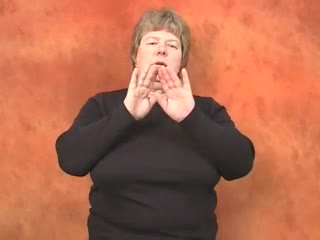
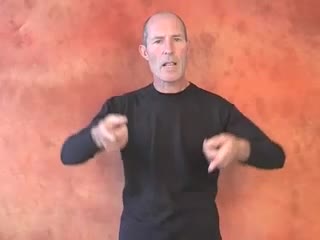
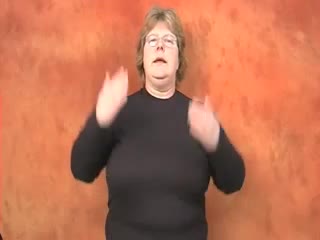
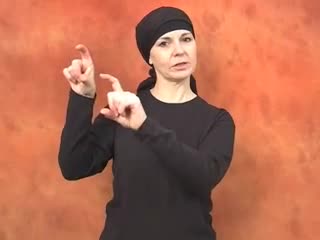
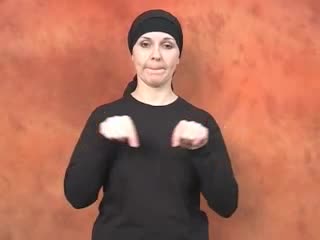
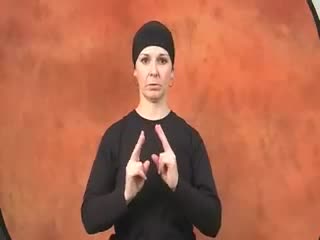
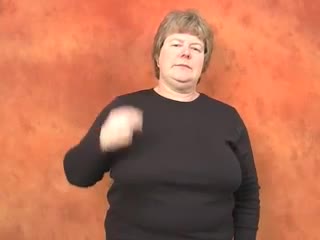
The BSL sign for bolt clipper is wonderfully iconic, immediately bringing to mind the powerful tool it represents. It’s a noun sign, meaning it refers directly to the object itself rather than the action of cutting. When you form this sign, you’re visually demonstrating the very essence of a bolt clipper: its sturdy handles and the forceful, repetitive action of its jaws. It’s a clear, purposeful sign, designed to be understood by anyone familiar with the tool or its function.
You’ll notice the strong emphasis on the tool’s mechanism. Your hands become the handles, and the movement mimics the opening and closing of the cutting blades. This isn't a vague sign for "cutting" or "metalwork"; it's specifically about those heavy-duty clippers. The forcefulness of the closing movement is key here, conveying the significant power needed to cut through thick bolts, chains, or wire. It’s a sign that communicates both the object and its inherent strength.
This sign stands out because it’s so functional and descriptive. It’s a tool sign that almost feels like you’re demonstrating how to use the item, making it very intuitive for learners. Understanding the visual connection between your hands and the tool will solidify your grasp of this sign and help you recall it easily. It’s a sign that leaves little room for ambiguity once you connect it to the physical object.
When This Sign Feels Natural
You’ll find the BSL sign for bolt clipper feels most natural when you're discussing specific tools, practical tasks, or situations where this particular piece of equipment is central. Think about conversations regarding DIY projects, security measures, or even describing an incident where a lock or chain needed to be forcibly removed. It’s the go-to sign when the precise type of cutting tool matters, and you need to distinguish it from general cutting implements.
Imagine you're explaining a repair job, detailing a workshop inventory, or narrating a story about gaining access somewhere. In these scenarios, using the specific sign for "bolt clipper" adds precision and clarity to your communication. If you were simply signing "cut," it might not convey the particular tool or the effort involved. This sign is perfect for situations demanding a higher level of detail about the instruments being used.
It's important to recognise when the specificity of this sign is beneficial versus when a more general sign might suffice. If you're talking broadly about "cutting metal" and the exact tool isn't critical, you might opt for a broader sign. However, when the narrative or discussion hinges on the distinctive shape, power, and function of a bolt clipper, using this sign is absolutely the most natural and effective choice. It shows you're communicating with accuracy and confidence.
What Learners Usually Miss
One common subtlety learners sometimes miss with the BSL sign for bolt clipper is the precision of the handshape. It's not just a generic fist. Both hands should form fists, but with the index finger and thumb extended, creating what's often called a G-hand equivalent. These extended digits are crucial because they represent the distinct handles of the bolt clipper, which are designed for gripping. If your fingers are fully curled into a fist, the visual connection to the tool’s handles becomes less clear, potentially leading to confusion.
Another area where learners can falter is the movement and its rhythm. The hands need to move apart (as if opening the jaws of the clipper) and then forcefully close together. This isn't a gentle squeeze; it’s a powerful, deliberate action, typically repeated two or three times. The "forcefully" aspect is critical; it conveys the tool's purpose of cutting through robust materials. A weak or hesitant movement diminishes the sign's impact and might suggest a different, less powerful tool. Practise making that closing movement sharp and decisive, reflecting the strength of a real bolt clipper.
Finally, learners might sometimes overlook the neutral location and consistent height. The sign should be performed in neutral space, generally around chest or abdomen height, comfortably in front of your body. Shifting the location too high (e.g., near the head) or too low (e.g., near the lap) can make the sign less clear and harder to read. Maintaining a consistent, central signing space ensures your hands are always within the viewer's optimal field of vision, making the sign effortless to interpret. Focus on keeping the action compact and purposeful within this established zone.
A Simple Way to Remember It
Thinking about the practical use of a bolt clipper can really help this sign stick in your memory. Imagine holding the actual tool in your hands and performing its function. Your hands are mimicking those sturdy handles, and the action is directly demonstrating how you'd use it to snip through something tough. It's a highly visual and motor-memory friendly sign.
- Hand as Handles: Visualise your hands becoming the two grips of the bolt clipper. The extended index finger and thumb are like the ends you hold, ready to exert force.
- The "Snap" Action: Focus on the forceful closing movement. Think of the satisfying "snap" or "clunk" sound a bolt clipper makes as it severs a piece of metal. Your hands are doing that action.
- Heavy-Duty Work: Remember that bolt clippers are for serious cutting. The repeated, strong movement reflects the power and effort needed to cut through heavy-gauge materials, not just paper or string.
Short Practice Situations
- Can you please pass me the bolt clipper? I need to cut this chain.
- The old lock was broken, so we had to use a bolt clipper to get it off.
- Be careful when you use the bolt clipper; it's a very powerful tool.
- I saw a programme last night about how thieves sometimes use a bolt clipper to break into sheds.
- Do you know where the bolt clipper is kept in the workshop?
Signs to Learn Next
- CUT (General): This is a good foundational sign. While "bolt clipper" is specific, understanding the general sign for "cut" will help you differentiate and appreciate the nuance of specific cutting tools.
- PLIERS: Another common hand tool, "pliers" shares some conceptual similarities in terms of gripping and manipulating, but its handshape and movement will highlight the distinct function.
- HAMMER: Expanding your tool vocabulary is always beneficial. "Hammer" is a fundamental tool sign that will build your confidence in representing objects with specific functions.
- CHAIN: Often, if you're signing about a bolt clipper, you might also be talking about cutting a chain. Learning this sign provides immediate contextual practice for "bolt clipper."
- LOCK: Similarly, "lock" is a natural follow-up. Bolt clippers are frequently used in situations involving locks, so knowing both signs allows for more complete narrative descriptions.