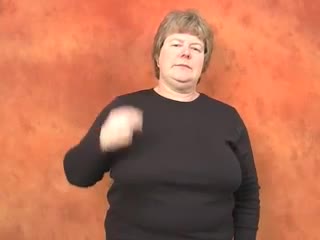
What Is the BSL Sign for "bedroom"?
Imagine winding down after a long day, perhaps envisioning that cosy space where you rest your head; in British Sign Language, we have a wonderfully intuitive sign for this very concept. Connecting with the Deaf community means understanding not just individual signs but also how they fit into the rhythm of daily communication. Unpacking the BSL sign for bedroom reveals a gesture that beautifully captures the essence of this personal sanctuary, making it a foundational piece of vocabulary for anyone learning British Sign Language bedroom signs. Here, you'll discover exactly how to convey this private haven with clarity and confidence.
How to Sign "bedroom" in British Sign Language - Step-by-Step
Let's break down the sign for "bedroom" into its core components, guiding you through each precise movement to ensure your signing is accurate and natural.
Step 1: Handshape
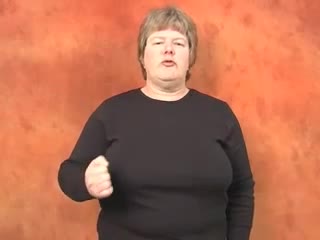
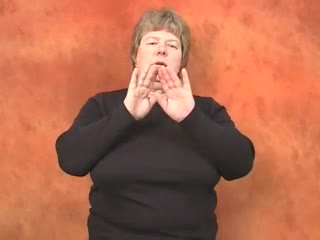
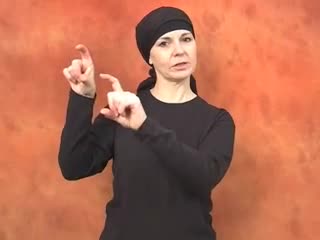
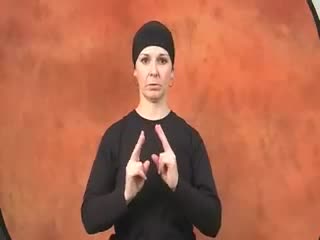
You'll begin with your dominant hand, forming what we call a "B" handshape. This means holding your hand flat, with all four fingers held together and extended straight upwards. Your thumb should be tucked in across your palm, or resting gently against the side of your index finger, ensuring it doesn't extend outward. Picture your hand as a stiff, upright flag, ready to wave.
Step 2: Hand Placement and Location
Now, bring your dominant hand, maintaining that crisp "B" handshape, to rest against the side of your cheek. Specifically, position the back of your hand, near your knuckles, against the upper part of your cheekbone, just below your eye. This placement is crucial as it grounds the sign in the facial area, a common region for many BSL signs related to the body or personal actions.
Step 3: Movement
From its initial position against your cheek, gently move your hand downwards and slightly forward. The movement isn't a sharp jab; rather, it’s a soft, deliberate sweep, almost as if you are lightly brushing your cheek as you prepare to rest. This gentle action, combined with the handshape, evokes the idea of lying down or going to sleep, directly connecting to the function of a bedroom.
Step 4: Facial Expression and Mouthing
While the sign itself carries much meaning, your facial expression provides vital context and grammatical information in BSL. For "bedroom," a neutral or slightly relaxed expression is generally appropriate, mirroring the calm atmosphere of such a space. You might also gently mouth the word "bedroom" as you sign; this lip pattern, known as mouthing, aids clarity for lip-readers and reinforces the English equivalent, though remember it's not always a direct translation and BSL has its own distinct grammar.
Step 5: Palm Orientation
Throughout the sign for "bedroom," your palm orientation remains consistent: facing towards your face. This inward-facing palm is integral to the sign's meaning, as it visually suggests the action of bringing something towards oneself, or in this case, the idea of a personal space for rest. If your palm were to face outwards, it would alter the sign's appearance dramatically and could easily be confused with other signs, or simply lose its intended meaning.
"bedroom" in BSL - Quick Reference Snapshot
- **Handshape:** Dominant hand forms a flat "B" (all fingers extended, together; thumb tucked).
- **Location:** Back of dominant hand touches the upper cheekbone.
- **Movement:** Gentle downward and slightly forward sweep from the cheek.
- **Facial Expression:** Neutral or relaxed.
- **Dominant Hand:** Used for the signing action.
- **Palm Orientation:** Palm faces inwards, towards your face.
5 Memorisation Tricks for the BSL Sign "bedroom"
Here are some helpful tips designed specifically to help you master the British Sign Language bedroom sign with ease.
- **Visual Mnemonic:** Picture your flat hand against your cheek as if it’s a pillow, and the slight downward movement is your head gently sinking into that pillow, ready for sleep. This vivid image directly links the physical sign to the action of resting.
- **Muscle-Memory Drill:** Practice signing "bedroom" ten times slowly, focusing intensely on the tactile sensation of your hand against your cheek and the smooth, controlled sweep. Repeating this motion deliberately helps engrain the specific muscle memory for the BSL bedroom sign.
- **Connection to Meaning:** Think of the sign as a simplified, iconic representation of *going to bed* or *sleeping*, which is what you do in a bedroom. The handshape resembles a person lying down or a pillow, while the movement mimics the act of settling in.
- **Common-Confusion Tip:** Be careful not to confuse this sign with the BSL sign for "sleep," which often involves both hands closing over the eyes. While similar in concept, the handshape and exact placement for "bedroom" are distinct, focusing on the cheek rather than the eyes.
- **Daily-Life Practice:** As you tidy your own bedroom or simply walk past it each day, pause for a moment and consciously sign "bedroom" out loud. Integrating the sign into your daily routine for specific objects helps solidify its place in your active BSL vocabulary.
Real-Life Situations to Use the BSL Sign for "bedroom"
Understanding the BSL sign for bedroom is just the beginning; knowing how to weave it into everyday conversations is where true fluency develops.
- You might ask a friend, "YOUR BEDROOM WHERE?" using BSL's typical topic-comment structure. Here, the sign for "bedroom" would be established first, followed by the question sign for "where," utilising spatial grammar to indicate direction or location.
- If you're describing your home, you could sign, "MY HOUSE, THREE BEDROOM HAVE." This demonstrates how "bedroom" fits into descriptive sentences, often appearing before the quantity in BSL number agreement.
- Perhaps you're telling someone about a new piece of furniture: "NEW TABLE, BEDROOM PUT." This illustrates using "bedroom" as a location for an action, where the verb "put" might be modified to show the placement within the designated space.
- When explaining a chore, you might sign, "CHILDREN BEDROOM, TIDY NEED." Here, "bedroom" functions as a possessive noun, indicating whose bedroom needs attention, often clarified through an initial pointing gesture towards the children.
Top 3 Mistakes Learners Make Signing "bedroom" in BSL
Everyone makes a few missteps when learning a new sign language, and the BSL sign for bedroom is no exception. Here are some common pitfalls and how to steer clear of them.
- **Incorrect Handshape:** Many beginners mistakenly use a "5" handshape (all fingers spread) or a "C" handshape instead of the specific flat "B" handshape. This subtle difference significantly alters the sign's appearance and can lead to misinterpretation; always ensure your fingers are held together and straight. The correct handshape provides clarity, preventing confusion with signs like 'flat' or 'cup'.
- **Wrong Location or Movement:** Another frequent error involves placing the hand too low on the jaw or making the movement too aggressive or extensive. The sign for "bedroom" should start high on the cheekbone and involve a gentle, short downward sweep, not a large, sweeping motion across the entire face. Precision in placement and the softness of the movement are key to conveying the intended meaning.
- **Neglecting Non-Manual Features:** Some learners focus only on the hands and forget the crucial role of facial expression or mouthing. Signing "bedroom" with a scrunched-up face or an exaggerated mouth shape can contradict the serene meaning of the sign, or even imply a question when none is intended. Maintaining a neutral, relaxed expression and a subtle mouth pattern ensures your non-manual features align with the sign's intent.
Fascinating Facts About the BSL Sign for "bedroom"
Delving deeper into the BSL sign for bedroom reveals some intriguing aspects of its form and function within the language.
- The sign for "bedroom" is widely considered an iconic sign, meaning its form directly resembles or suggests its meaning. The handshape against the cheek and the gentle downward movement strongly evoke the action of resting one's head on a pillow.
- While the core sign is consistent across the United Kingdom, you might encounter subtle regional variations in the exact placement on the cheek or the extent of the downward movement. These minor differences highlight the natural evolution and diversity within the BSL-using community.
- Historically, many signs related to domestic life and personal spaces developed from everyday actions or objects, and "bedroom" fits this pattern perfectly by mimicking the fundamental act of sleep. It's a sign rooted in universal human experience.
- The specific "B" handshape used in "bedroom" is common in BSL and appears in many other signs, often relating to words that start with 'B' or concepts associated with a flat surface. This repeated use helps reinforce the handshape in learners' muscle memory.
- What makes this sign linguistically distinctive is its reliance on a single, continuous movement to convey a complete concept. There isn't a complex series of movements or multiple handshapes; rather, a singular, fluid gesture encompasses the entire meaning of the space.
"bedroom" in Deaf Culture - Community and Identity
The concept of a "bedroom" within the Deaf community, like any other aspect of home and personal space, is deeply integrated into daily life and communication. Discussions about one's bedroom can be part of sharing about family life, personal preferences, and the comfort of home. Deaf individuals might discuss decorating their bedrooms, where guests sleep, or simply the routines associated with that private space, all through the visual language of BSL. These conversations strengthen bonds and allow for rich, detailed descriptions of one's environment. The sign itself becomes a shared visual cue, instantly understood, fostering a sense of belonging and mutual comprehension within the community. It's a simple sign, yet it opens doors to sharing personal stories and connecting on a very human level.
Example Conversations Using "bedroom" in BSL
Here are five distinct conversational examples to help you see the BSL sign for "bedroom" in various contexts.
English: My bedroom is upstairs. - BSL structure: MY BEDROOM UPSTAIRS (Use spatial indexing for "upstairs".)
English: How many bedrooms does your new house have? - BSL structure: YOUR NEW HOUSE BEDROOM HOW-MANY? (Question word "how-many" typically comes at the end, with a questioning facial expression.)
English: I need to clean my bedroom today. - BSL structure: TODAY I BEDROOM CLEAN NEED. (Topic-comment structure, with "today" setting the temporal context first.)
English: The baby's bedroom is painted blue. - BSL structure: BABY BEDROOM BLUE PAINTED. (The object "baby bedroom" is established, then its attribute "blue painted" follows.)
English: Can you help me move this desk to my bedroom? - BSL structure: YOU HELP ME MOVE THIS DESK MY BEDROOM? (In BSL, "move" might be signed with directional information, indicating movement towards the bedroom.)
Frequently Asked Questions: The BSL Sign for "bedroom"
Is there a regional variation for the BSL sign for "bedroom" across the UK?
While the core elements of the BSL sign for bedroom remain consistent across the UK, you might observe subtle regional differences in execution. Some areas may have a slightly more pronounced movement, or the hand might rest in a marginally different spot on the cheek. These variations are usually minor and wouldn't impede understanding, but they're a natural part of BSL's vibrant regional dialects.
Are there any similar signs that learners often confuse with "bedroom" in BSL?
Yes, learners sometimes confuse "bedroom" with the BSL sign for "sleep" or "pillow." The sign for "sleep" typically involves closing one or both hands over the eyes, while "pillow" might involve two hands pressing together or tapping. Remember, "bedroom" specifically uses a flat hand against the cheek with a downward sweep, a unique combination that sets it apart.
Is the BSL sign for "bedroom" suitable for absolute beginners?
Absolutely, the BSL sign for bedroom is an excellent sign for absolute beginners to learn. Its iconic nature makes it relatively easy to remember, and it's a high-frequency word essential for describing one's home and daily life. Mastering this sign early on builds confidence and provides a solid foundation for expanding your BSL vocabulary.
Can children easily learn and use the BSL sign for "bedroom"?
Children pick up the BSL sign for bedroom very easily due to its direct visual connection to going to sleep or resting. It's a simple, single-handed sign without complex movements, making it ideal for young learners. Encouraging children to use it when talking about their own room or bedtime routines helps them integrate BSL into their everyday communication naturally.
How does the BSL sign for "bedroom" compare to the sign in another sign language?
The BSL sign for bedroom is quite distinct from signs for "bedroom" found in other sign languages. For example, some sign languages might use a two-handed sign or a different handshape entirely, perhaps incorporating elements like a bed or a room outline. This highlights the unique linguistic evolution of BSL, which has its own independent vocabulary and grammatical structures.
Signs That Pair Naturally with "bedroom" in BSL
Building vocabulary effectively involves understanding how signs connect and form natural clusters, much like words in spoken language. Here are some BSL signs that naturally complement "bedroom."
- **HOUSE:** This sign, often forming an outline of a house, logically pairs with "bedroom" as a larger container for the room. It helps establish the overall setting.
- **SLEEP:** Since a bedroom is primarily for sleeping, linking these two signs is intuitive. You'll often discuss sleeping in the context of a bedroom.
- **BED:** As the central piece of furniture in a bedroom, "bed" is an essential accompanying sign. Learning "bed" immediately after "bedroom" makes perfect sense.
- **TIDY/CLEAN:** Activities like tidying or cleaning are frequently performed in a bedroom, making these signs practical to learn alongside. You'll often be talking about keeping your bedroom neat.
- **UPSTAIRS/DOWNSTAIRS:** Many bedrooms are located on different levels of a house, so learning these directional signs provides crucial spatial context for describing where a bedroom is.
- **FURNITURE:** This general category sign helps when discussing items found within a bedroom, allowing for broader descriptions of the room's contents.
Building Fluency: How to Practise "bedroom" in BSL
Becoming fluent in BSL, especially for a foundational sign like "bedroom," requires dedicated and smart practice. First, stand in front of a mirror and slowly execute the sign, paying close attention to your handshape, placement, and movement; this visual feedback helps you correct any inconsistencies immediately. Next, integrate "bedroom" into your daily BSL conversation by consciously thinking about your home and using the sign whenever you refer to that space, even if it's just to yourself. Recording yourself signing "bedroom" a few times, then reviewing the footage, allows you to objectively critique your technique and spot areas for improvement that you might miss otherwise. Most importantly, seek out opportunities to practise with a Deaf conversation partner; their feedback is invaluable for refining your signing and ensuring natural flow. Finally, spaced repetition over several days, rather than intense cramming, will cement this sign into your long-term memory, ensuring you can recall and use the BSL sign for bedroom effortlessly whenever you need it.