Speed
0
Practice reps times watched

Create a free account to keep your watch history and review plan.

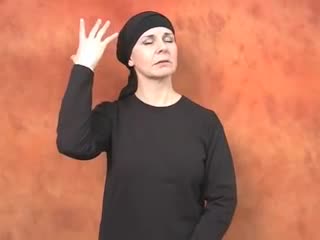
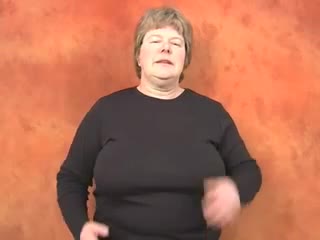
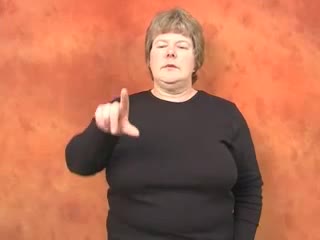
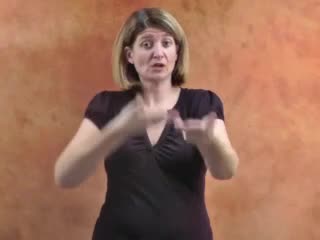
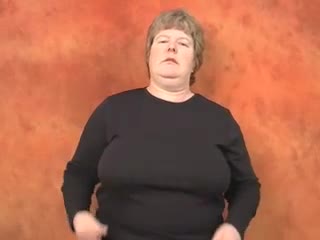
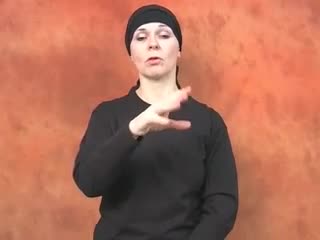
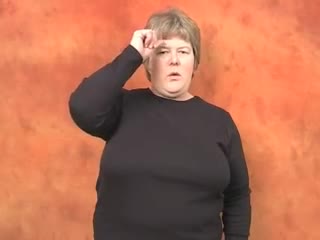
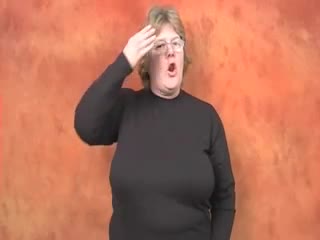
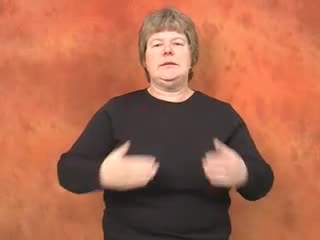
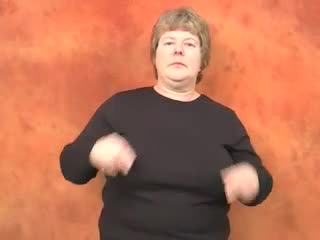
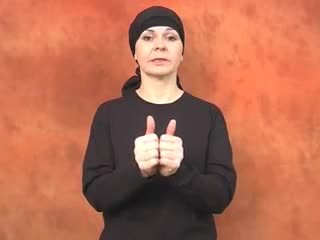
Best practice Use mirror mode, then watch the frame breakdown below to catch the start, movement, and finish cleanly.
Video via SpreadTheSign  - Free educational resource BSL
Updated April 27, 2026
British Sign Language (BSL) 🟢 Beginner 📊 A1 ⚡ Very Common Verb

hurt

To experience physical or emotional pain or injury

Source-linked video Step-by-step guide Context and safety notes
Synonyms
Pain ache injury sore
Antonyms
Heal comfort relief
Difficulty
Not rated yet

Create a free account to save this sign, keep your watch history, and unlock a one-note journal preview.

How to sign it
Handshape
Dominant hand, index finger extended, others curled into a fist
Location
Varies, typically at the specific body part experiencing pain
Movement
Repeated inward twisting or jabbing motion
Palm Orientation
Palm often faces towards the body part, or slightly down/inward
Facial Expression
Furrowed brow, pained expression
🔁 Spaced Review Try it free

How well do you know this sign?

HURT
Your Progress Live
🌱
Level 1 · BSL Beginner +0 XP today
This sign Not learned yet
0 watches
Mastery 0%
Confidence
How well do you know this sign?
0 🔥 Streak
0 Signs seen
0 Learned
0 Watches
📖 Vocabulary health 🔒 Log in to see score
0 Mastered
0 Confident
0 Practicing
0 Just seen

Create a free account to keep your vocabulary score between sessions

7-day activity 0 of 7 active

Register free to sync activity across devices

Watch signs to see your history here

Tracking locally for now. Create a free account to save your progress and sync across devices.
Free gets you started. Paid adds the repeat-learning layer: review queues, deeper notes, compare mode, and better comeback tools.
My Sign Journal
Personal notes, saved to your account forever
Locked

Write memory tricks, usage examples, and cultural reminders beside each sign. Create a free account to unlock your first saved note preview on this page.

Create free account Already have an account? Log in

What This Sign Means in BSL

The BSL sign for hurt is a fundamental and incredibly direct way to express physical pain or injury. It’s one of those signs that truly connects the physical act of signing with the experience it represents. When you see someone use it, you immediately grasp the core meaning: something is wrong, and it’s causing discomfort or damage to the body.

What makes this sign so impactful is its specificity. Unlike some broader signs for general unwellness, "hurt" points straight to the source. The handshape, with that dominant index finger extended, acts like a precise instrument, indicating exactly where the pain is located. It’s a sign used not just to state a fact, but often to convey a sense of immediate concern or a plea for understanding.

This sign is remarkably versatile within its specific category of physical sensation. It can describe a minor bump, a sharp cut, or a persistent ache. Its adaptability, by allowing you to sign directly on or near the affected body part, means you can communicate a wide range of physical discomforts with a single, clear sign, making it an essential part of your BSL vocabulary for expressing health and well-being.

When This Sign Feels Natural

You’ll find yourself reaching for this sign in countless everyday situations where physical well-being is discussed. Imagine someone stumbles; your first impulse might be to sign, "Are you hurt?" (often accompanied by an inquisitive facial expression). Similarly, if you accidentally bang your elbow, you might instinctively sign "my elbow hurts" as you rub the spot. It’s a very natural, almost reflexive sign for acknowledging or inquiring about bodily pain.

This sign fits seamlessly into conversations ranging from casual chats with friends to more serious discussions with medical professionals. Its directness means there's little room for misinterpretation when referring to physical injury. However, it's vital to remember its scope: this sign is strictly for physical pain. If you're talking about someone's feelings being hurt, or hurting a business's reputation, you would use entirely different BSL expressions or signs, as the concept shifts from physical to emotional or abstract.

Think of using this sign when you need to quickly and clearly communicate that a specific part of the body is experiencing pain or has been injured. It’s perfect for describing a child’s scraped knee, asking a friend about their sprained ankle, or explaining to a doctor where you feel discomfort. The simplicity and clarity of the sign make it universally understood within the BSL community for expressing physical distress.

What Learners Usually Miss

One common oversight learners make is underestimating the power of facial expression with the BSL sign for hurt. While the handshape and movement are crucial, your face tells half the story! A slight wince, furrowed brows, or even an open-mouthed "ouch" expression will significantly amplify the message, conveying the intensity and nature of the pain. Without an appropriate facial expression, the sign can come across as flat or detached, losing its empathetic punch.

Another subtle but important detail is the specificity of the location and the direction of the movement. While the sign details mention it varies, you should always aim to sign directly on or very close to the actual body part that hurts. Don't just sign it generically in neutral space. Furthermore, the "inward twisting or jabbing motion" should consistently be directed towards the body part, as if poking or prodding at the source of discomfort. Learners sometimes perform the movement too broadly or in an unspecific direction, which can dilute the sign's clarity.

Finally, learners sometimes mistakenly apply this sign to all forms of "hurt." As we’ve touched on, this sign is exclusively for physical pain. It’s not used for emotional distress, a broken heart, or an abstract concept like "it hurt my chances." Overusing it in these contexts will lead to misunderstanding. Always check: is this a bodily pain or injury? If not, you'll need a different BSL sign or phrase to convey the meaning accurately.

A Simple Way to Remember It

Imagine your index finger as a precise little probe, pinpointing exactly where the discomfort lies. The repetition and direction of the movement then bring that feeling of targeted pain to life.

  • The Pointing Pain: Think of your extended index finger as physically pointing to, or even gently poking, the exact spot on your body where you feel the hurt.
  • The Throbbing Sensation: The repeated inward twisting or jabbing motion can be easily remembered as mimicking a throbbing ache or the persistent irritation of an injury.
  • Internal Focus: The inward direction of the movement helps to visualise drawing attention to the internal experience of pain, making it clear that the hurt is felt *within* that specific area.

Short Practice Situations

  • After someone stumbles on the pavement, sign: "Are you hurt? Are you okay?"
  • If you accidentally stub your toe, sign: "Ouch! My toe really hurts right now."
  • Describing a child's minor injury: "He fell and hurt his knee, but it's just a scrape."
  • Asking about a friend's recovery: "How's your arm? Does it still hurt much?"
  • Explaining a new discomfort: "My back started hurting after I lifted that box."

Signs to Learn Next

  • PAIN: While "hurt" is specific to a body part, the sign for PAIN is often a more general, broader sign, sometimes involving both hands, conveying a more intense or widespread discomfort. Learning it helps differentiate between specific injury and overall suffering.
  • INJURY / INJURED: This sign often refers to the *state* of being injured or the *event* of an injury. It complements "hurt" by providing a way to discuss the damage itself, rather than just the sensation.
  • SICK / ILL: This is a much broader sign encompassing general unwellness, fever, or disease. Understanding it helps you distinguish between specific localized pain ("hurt") and a more systemic feeling of being unwell.
  • ACHE: Similar to "hurt" but often conveying a duller, less sharp, and more persistent type of pain. Learning this allows for more nuanced descriptions of discomfort.
  • DOCTOR / HOSPITAL: These contextual signs naturally follow "hurt" when discussing seeking medical help or describing the aftermath of an injury that required professional attention.

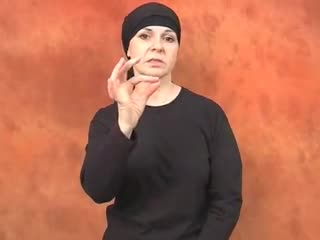
🤖 AI Learning Guide for "hurt"

This BSL sign directly indicates pain by showing a jabbing or twisting motion at the affected body part. Its iconic nature makes it intuitive

🎯 Practice Challenge

Practice signing 'hurt' while varying your facial expressions to show different intensities of pain

⚠️ Most Common Mistake

Ensure your non-manuals (pained facial expression, furrowed brows) are clear and match the context

👐 How to Sign "hurt" in British Sign Language (BSL) (Quick Answer)

Follow these steps to sign hurt correctly in British Sign Language (BSL):

  1. 1 Form G-hand (index finger extended)
  2. 2 Touch index finger to body part in pain
  3. 3 Twist or jab inward slightly
  4. 4 Repeat motion once or twice
  5. 5 Use pained facial expression

Tip: Watch the video above while following these steps for best results.

🤚 Sign Profile

🤚
Handshape
Dominant hand, index finger extended, others curled into a fist
🔣
Handshape Code
1-hand
Dominant Hand
Either
🙌
Hand Count
One-handed
📍
Location
Varies, typically at the specific body part experiencing pain
↗️
Movement
Repeated inward twisting or jabbing motion
🔄
Movement Type
Repeated, Twist
👆
Contact
Touch
👋
Palm Orientation
Palm often faces towards the body part, or slightly down/inward

😊 Non-Manual Features

Facial expressions and body language are grammatically essential in British Sign Language (BSL) - not optional!

😊
Facial Expression
Furrowed brow, pained expression
🙆
Eyebrows
Furrowed
👁️
Eye Gaze
At referent
🙂
Head Movement
Forward
👄
Mouth Morpheme
Often "ow" or "ouch" mouth shape
🕴️
Body Shift
Slight forward lean possible for emphasis

📖 Grammar & Linguistics

Part of Speech Verb, Adjective
Transitivity Both
Inflection Yes
Classifier Usage N/A
Role Shift No

🎓 Learning Context

📌 When to Use: Describing personal pain, injuries, or feelings of being upset
⚠️ Common Mistake: Not using NMF, incorrect location, or insufficient repetition
🚫 When NOT to Use: Not for abstract "hurting feelings" without clear context
Context Tags
Medical emotional accident injury pain

🧪 Practice Lab

Use these tiny checks right after watching the video. Fast feedback is what turns recognition into recall.

Meaning check

Which word matches the sign you just watched?

Usage check

Where would this sign fit most naturally?

Confidence check

How do you feel about hurt right now?

Pick one so SignDeaf can shape the rest of your session around how this sign actually feels.

🧭 Scenario Drill

One sign gets remembered faster when you attach it to real situations. Try these quick scene prompts.

Work

Stretch practice

Use this sign in a short workplace sentence or meeting exchange.

Family

Stretch practice

Try signing this while talking about family life or something at home.

School

Stretch practice

Imagine teaching this sign to a classmate or using it in a lesson.

Doctor

Possible fit

Practise it in a healthcare conversation where clarity matters.

Travel

Stretch practice

Use it in a travel scenario like asking for help or directions.

💬 Example Usage

1.[en] My leg hurts. / BSL:[Sign HURT at leg] | 2.[en] Are you hurt? / BSL:[Sign HURT at body, questioning NMF] | 3.[en] My head hurts. / BSL:[Sign HURT at temple/forehead]

1.[en] My leg hurts. / BSL:[Sign HURT at leg] | 2.[en] Are you hurt? / BSL:[Sign HURT at body, questioning NMF] | 3.[en] My head hurts. / BSL:[Sign HURT at temple/forehead]

When to use it

Describing personal pain, injuries, or feelings of being upset

When not to use it

Not for abstract "hurting feelings" without clear context

Register

Neutral, Child-friendly

🌍 Cultural Context

Directness in showing pain is common in BSL

🗺️ Regional Variations

Core meaning is consistent; slight movement variations might exist

⚖️ Similar Signs - What's the Difference?

This sign hurt
VS
Similar signs Look closely
The sign for HURT (G-hand, jabbing/twisting at location) is distinct from PAIN (often two G-hands tapping or pulling apart from torso, or dominant G-hand moving across chest). HURT is specific to a body part, while PAIN can be general or widespread. It also differs from SICK (dominant B-hand to forehead and then stomach), which denotes illness rather than specific injury

📝 Usage Notes

The sign is highly iconic; location directly indicates the pain area

🏷️ Tags

Handshape

Keywords

💡
Did you know?
BSL is a full, natural language with its own grammar - not just English signed word by word.

📚 Explore More British Sign Language (BSL) Signs

Keep building your British Sign Language (BSL) vocabulary - explore signs by category or browse the full dictionary.