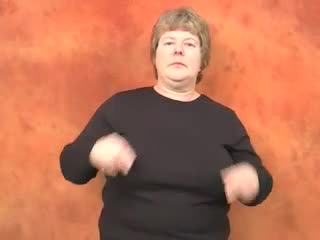
What This Sign Means in BSL
The BSL sign for smile is more than just a movement; it’s a direct visual echo of a fundamental human expression of warmth and pleasure. When you use this sign, you’re not just conveying the action of curving the lips upwards, but often the positive feeling that accompanies it. It's a sign that instantly brightens a conversation, signaling friendliness, encouragement, or simple contentment.
Unlike some signs that are more abstract, "smile" in BSL is wonderfully iconic. Its placement and movement right at the mouth make it immediately understandable, even to someone unfamiliar with BSL, which is a testament to its clarity. This directness helps both the signer and the receiver connect with the underlying emotion, making it a powerful tool for building rapport.
It’s important to remember that while the sign denotes the physical act, it often carries the weight of the emotion. So, you might use it when someone genuinely beams with happiness, or even when you're simply asking someone to put on a polite grin for a photo. The context and your own accompanying facial expression will always add the layer of nuance needed to distinguish between a hearty laugh and a gentle, reassuring smile.
When This Sign Feels Natural
You'll find the BSL sign for smile feels most natural in everyday, positive social interactions. It's perfect for greetings, especially when you want to convey a welcoming or friendly disposition. Imagine meeting an old friend; signing "It's good to see your smile again!" adds a beautiful layer of personal connection that transcends just saying the words.
This sign is also incredibly useful in situations where you want to offer encouragement or comfort. If someone is feeling a little down, signing "Come on, give us a smile!" can be a gentle way to prompt a positive shift in mood. It’s a versatile sign that fits comfortably into both informal chats among friends and more formal exchanges where politeness and a pleasant demeanor are appreciated.
While often used to describe someone else's facial expression ("He smiled when he heard the news"), it’s equally natural when used reflexively to describe your own actions or feelings. However, be mindful that often, your own genuine smile *is* the message. You wouldn't necessarily sign "I smile" every time you do it, but rather when you want to draw specific attention to the act of smiling, perhaps as a request, an observation, or a specific instruction.
What Learners Usually Miss
One common oversight for learners with the BSL sign for smile is failing to incorporate their own natural facial expression. While your hands are busy signing "smile," your face should ideally *be* smiling too! The sign isn't just a physical action; it's an emphasis on the facial expression itself. Without a genuine, accompanying smile on your face, the sign can appear somewhat flat or detached, losing its warmth and authenticity. Always remember that BSL is a visual language that uses the whole body, especially the face.
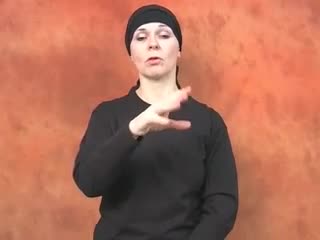
Another subtle point learners sometimes miss is the slight upward trajectory of the hands as they move outwards. It's not just a straight horizontal pull; there's a gentle lift that mirrors the natural upward curve of a genuine smile. Practicing this nuance helps make your sign look more fluid and organic, truly reflecting the natural movement of the mouth. Pay attention to the natural rhythm – it’s usually a smooth, single movement rather than a choppy or segmented action.
Lastly, some learners might be tempted to overuse the sign. As mentioned, often your own facial expression is enough. The sign "smile" is typically used when you are *referring* to the act of smiling, requesting someone to smile, or describing someone else's smile. If you're simply happy, you might sign "HAPPY" or show a joyful facial expression. The BSL sign for smile serves a specific communicative purpose, so think about whether you truly need to explicitly sign the word, or if the context and your natural expression convey the message perfectly well.
A Simple Way to Remember It
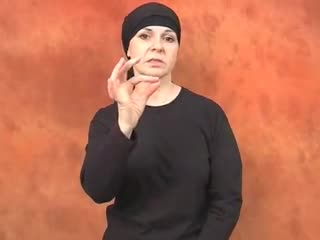
To easily recall the BSL sign for smile, think of your F-hands as gently "drawing" or "pulling" the corners of a smile directly onto your face. It's a very intuitive sign that perfectly mimics the action it describes.
- "Smile-Makers": Imagine your F-hands are little smile-makers, starting at the corners of your mouth and gently stretching them outwards and upwards.
- Widening Warmth: The outward movement directly represents the widening of a smile, symbolising openness and warmth spreading across your face.
- Uplifting Curve: The subtle upward lift of the hands reflects the natural, positive curve of a happy smile, conveying a sense of uplift and good cheer.
Short Practice Situations
- You meet a friend you haven't seen in ages: "It's so good to see you, please smile!"
- Someone is feeling a bit shy about a photo: "Don't be nervous, just try to smile for the camera."
- You're describing a funny moment: "Everyone started to smile when they heard the joke."
- You want to encourage someone to cheer up: "It's a lovely day, go on, smile a little!"
- Observing someone's reaction: "I saw her smile when she read the good news."
Signs to Learn Next
- LAUGH: Building on "smile," learning "laugh" helps you express a stronger, more boisterous form of happiness. It shows the progression from a gentle smile to outright amusement.
- HAPPY: While "smile" is the action, "happy" is the underlying emotion. Learning this sign helps you connect the physical expression to the internal feeling, giving you a fuller range of emotional communication.
- SAD / UPSET: Understanding the opposite emotion provides crucial contrast. Practicing "smile" alongside "sad" or "upset" helps you grasp the full spectrum of facial expressions and how they are conveyed in BSL.
- FACE / EXPRESSION: These broader signs help contextualise "smile" as one of many ways we use our facial muscles to communicate. It enhances your understanding of how the face plays a vital role in BSL.
- FRIENDLY: A smile often conveys friendliness. Learning this sign allows you to describe the quality that a smile frequently communicates, connecting the action to its social impact.